
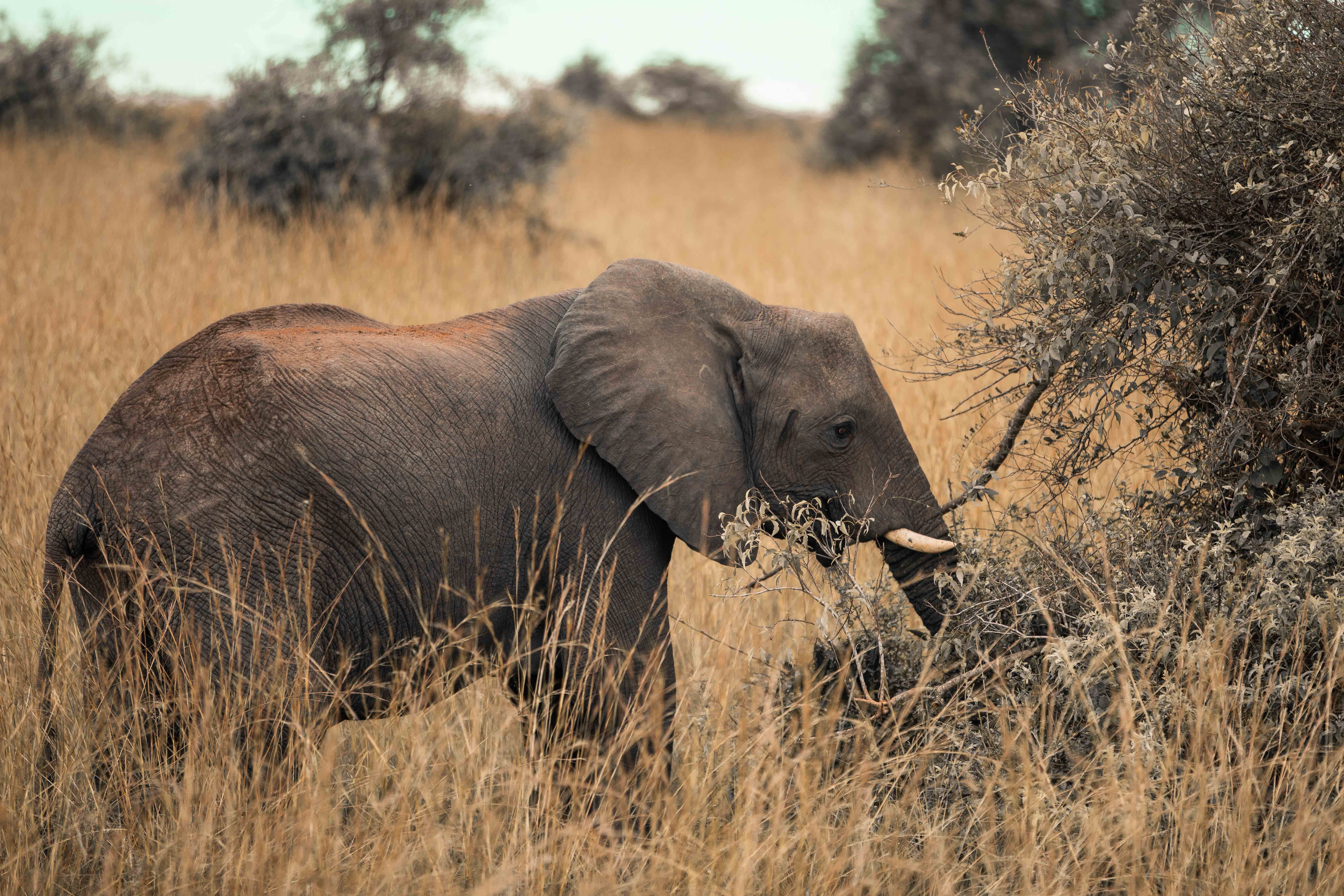
Discover the transformative world of ethical wildlife tourism in 2026. This guide dives into conservation-focused safaris, responsible marine encounters, and impactful travel opportunities designed for the conscious traveler. Learn how your booking choices can directly contribute to animal welfare, habitat preservation, and local communities, comparing top sustainable tour options and identifying money-generating experiences that truly make a difference.
Introduction to the Topic
The allure of the wild is timeless. From the majestic roar of a lion across the African savanna to the silent grace of a whale breaching in the open ocean, wildlife encounters ignite a primal sense of wonder within us. But as we navigate 2026, the landscape of wildlife tourism has dramatically evolved. The era of passive viewing and, worse, exploitative practices, is rapidly fading, replaced by a powerful new movement: ethical wildlife tourism. This isn't just about seeing animals; it's about connecting with them, understanding their world, and actively contributing to their survival.
For the modern traveler, the question is no longer just 'where can I see wildlife?' but 'how can I experience wildlife responsibly, ethically, and with a positive impact?' This article from ecofriendlytravelguides.com will be your definitive guide to navigating this exciting frontier. We'll explore the trending shift towards conservation-focused safaris, responsible marine encounters, and immersive rewilding experiences that are not only unforgettable but also crucial for our planet's biodiversity. Prepare to redefine your adventure, making every booking a step towards a healthier, wilder world.
Backgrounds & Facts
For decades, wildlife tourism, while generating significant revenue, often came with a hidden cost. The pursuit of close-up encounters led to unethical animal interactions, habitat degradation, and financial benefits that rarely reached local conservation efforts or communities. From tiger petting zoos to elephant riding camps and unregulated dolphin shows, the industry was rife with practices that prioritized entertainment over welfare. However, propelled by global awareness, scientific advocacy, and the rise of the conscious consumer, a profound paradigm shift has occurred.
By 2026, transparency and accountability are paramount. Travelers are increasingly demanding proof of ethical practices, seeking out operators with verifiable conservation credentials and genuine community engagement. Organizations like the Global Sustainable Tourism Council (GSTC) and the World Animal Protection's 'Wildlife-Friendly Tourism' initiatives have become benchmarks, guiding consumers to truly responsible choices. Facts show that tours explicitly marketed as 'conservation travel' or 'impact travel' are seeing double-digit growth annually, significantly outperforming traditional wildlife tourism segments. This surge is driven by a desire for authentic, educational, and purpose-driven journeys. Moreover, advancements in non-invasive tracking technologies, drone-based monitoring, and citizen science programs integrated into tours mean that travelers can now contribute to real-time research and conservation efforts without disturbing the animals. This shift isn't just a trend; it's the new standard for wildlife encounters.
Expert Opinion / Analysis
"The future of wildlife tourism hinges entirely on its ability to serve conservation, not simply profit from it," states Dr. Anya Sharma, lead conservation biologist at Wildlife Guardians International. "What we've seen in the last few years is a critical awakening. Travelers are no longer content with superficial interactions; they want depth, meaning, and a guarantee that their travel dollars are making a tangible difference. This has put immense pressure on tour operators to innovate and prioritize genuine sustainability."
Our analysis at ecofriendlytravelguides.com confirms Dr. Sharma's insights. The market for ethical wildlife experiences is not just growing; it's maturing. Operators who once paid lip service to 'eco-tourism' are now investing heavily in certified conservation programs, employing local guides, and ensuring a significant portion of their revenue directly supports anti-poaching units, habitat restoration projects, or wildlife rehabilitation centers. The challenge lies in distinguishing truly impactful tours from greenwashing. "Look for operators with transparent financial reporting on their conservation contributions, strong partnerships with reputable scientific bodies, and clear animal welfare policies that prohibit direct contact or disruptive viewing practices," advises Dr. Sharma. The opportunity for travelers is immense: by choosing wisely, you become a direct investor in the planet's biodiversity, transforming your vacation into a powerful force for good. This isn't just about booking a trip; it's about funding a future for wildlife.
💰 Best Options in Comparison (VERY IMPORTANT)
Choosing the right ethical wildlife experience can be overwhelming with so many options emerging. To help you make an informed decision and invest in truly impactful travel, we've curated a comparison of the top categories and what to look for when booking. These options are designed for maximum conservation impact and unforgettable responsible encounters.
-
Conservation-Focused African Safaris
What to Look For: Operators that partner directly with national parks or private conservancies, offering game drives with trained conservationists, opportunities to participate in wildlife tracking (e.g., rhino tagging, lion monitoring), anti-poaching education, and community visits. Prioritize lodges that are eco-certified (e.g., by EcoTourism Kenya, Fair Trade Tourism) and generate significant local employment. Look for tours that emphasize respectful viewing distances and minimal vehicle impact. Many offer 'citizen science' components where guests contribute to data collection.
Recommended Operators (Examples): 'Great Plains Conservation' (Botswana, Kenya), 'Singita' (South Africa, Tanzania), 'Wilderness Safaris' (across Africa) – known for their deep commitment to conservation and community development, often including direct funding for anti-poaching and education programs. Expect premium pricing for these highly impactful experiences.
-
Responsible Marine Wildlife Encounters
What to Look For: Tours that adhere strictly to marine mammal viewing guidelines, use silent or low-impact vessels, and prioritize education over entertainment. Look for operators involved in marine research, offering snorkeling/diving opportunities that support coral reef restoration, or whale/dolphin watching tours led by marine biologists. Avoid any tours that guarantee close contact, allow feeding, or involve captive marine animals for performance.
Recommended Operators (Examples): 'Natural World Safaris' (Antarctica, Galapagos, Arctic), 'Marine Conservation Expeditions' (various locations) – focus on educational, non-invasive observation, often integrating guests into research projects like coral reef monitoring or whale identification photography. Key destinations include Baja California for whales, Galapagos for diverse marine life, and specific eco-certified dive centers in the Coral Triangle.
-
Rewilding & Habitat Restoration Tours
What to Look For: Immersive experiences where you actively participate in ecological restoration efforts. This could involve planting trees in deforested areas, removing invasive species, monitoring rehabilitated wildlife, or assisting with reintroduction programs for endangered species. These are often longer-duration trips and may involve more rustic accommodations, but offer profound personal impact.
Recommended Operators (Examples): 'Rewilding Europe Travel' (Portugal, Romania, Scotland), 'Earthwatch Expeditions' (global projects), 'Volunteer Forever' (connecting with vetted conservation projects) – these experiences are less about luxury and more about hands-on contribution, ideal for those seeking a deeply immersive and physically engaging conservation journey. Projects range from wolf reintroduction in Europe to rainforest protection in South America.
Comparison Table: Ethical Wildlife Travel Options 2026
| Experience Type | Key Focus | Typical Activities | Conservation Impact | Price Range (USD/person) | Ideal Traveler |
|---|---|---|---|---|---|
| Conservation Safari | Large Mammal & Ecosystem Protection | Game drives, tracking, anti-poaching patrols, community engagement, eco-lodges | Direct funding for anti-poaching, habitat protection, community development | $5,000 - $15,000+ | Luxury eco-adventurers, those seeking iconic wildlife encounters with purpose |
| Responsible Marine Encounter | Oceanic Biodiversity & Research | Ethical whale/dolphin watching, snorkeling/diving, marine biology talks, citizen science | Support for marine research, coral restoration, plastic reduction initiatives | $2,000 - $10,000+ | Ocean enthusiasts, divers, families looking for educational sea adventures |
| Rewilding & Restoration Tour | Habitat Regeneration & Species Reintroduction | Tree planting, invasive species removal, wildlife monitoring, trail maintenance, rustic lodging | Direct hands-on contribution to ecosystem recovery, data collection | $1,000 - $5,000 | Adventure seekers, environmental volunteers, those desiring active involvement |
Outlook & Trends
Looking ahead to the rest of 2026 and beyond, the ethical wildlife tourism sector is poised for even greater innovation and integration. We anticipate several key trends shaping your future travel decisions:
- Hyper-Personalized Conservation Journeys: AI-driven platforms will match travelers with specific conservation projects based on their skills, interests, and desired impact, offering bespoke itineraries that go beyond standard tours.
- Blockchain for Transparency: Expect to see more tour operators using blockchain technology to provide immutable records of where your money goes – from park fees to guide salaries and direct conservation donations – ensuring complete transparency and trust.
- Virtual Reality Pre-Trip Immersion: Before you even leave home, VR experiences will allow you to virtually explore your destination, learn about the species you'll encounter, and understand the conservation challenges, enhancing your appreciation and preparation.
- Carbon-Neutral & Regenerative Travel: The industry will move beyond merely offsetting carbon to actively implementing regenerative practices. This means tours designed to leave the environment in a better state than before, through intensive habitat restoration and local community empowerment.
- Community-Led Tourism: An increasing number of ethical tours will be entirely owned and operated by indigenous and local communities, ensuring that economic benefits directly empower those who live alongside wildlife and have generations of ecological knowledge.
These trends highlight a future where travel is not just about personal enjoyment but about collective responsibility and planetary stewardship. The booking platforms and tour operators that embrace these innovations will lead the charge in defining truly sustainable adventure.
Conclusion
As we navigate 2026, the power to make a positive impact through your travel choices has never been greater. Ethical wildlife tourism offers more than just breathtaking encounters; it provides a pathway to actively participate in the global conservation movement. By choosing conservation-focused safaris, responsible marine tours, or hands-on rewilding expeditions, you're not just booking a vacation – you're investing in the future of our planet's most precious species and the communities that protect them.
Remember to scrutinize operators, look for certifications, and prioritize experiences that put animal welfare and habitat preservation at their core. Your journey can be a powerful force for good. So, choose wisely, travel responsibly, and let your next wildlife adventure be a testament to your commitment to a wilder, healthier world. Start planning your impactful journey today with ecofriendlytravelguides.com – where every trip tells a story of conservation and hope.