
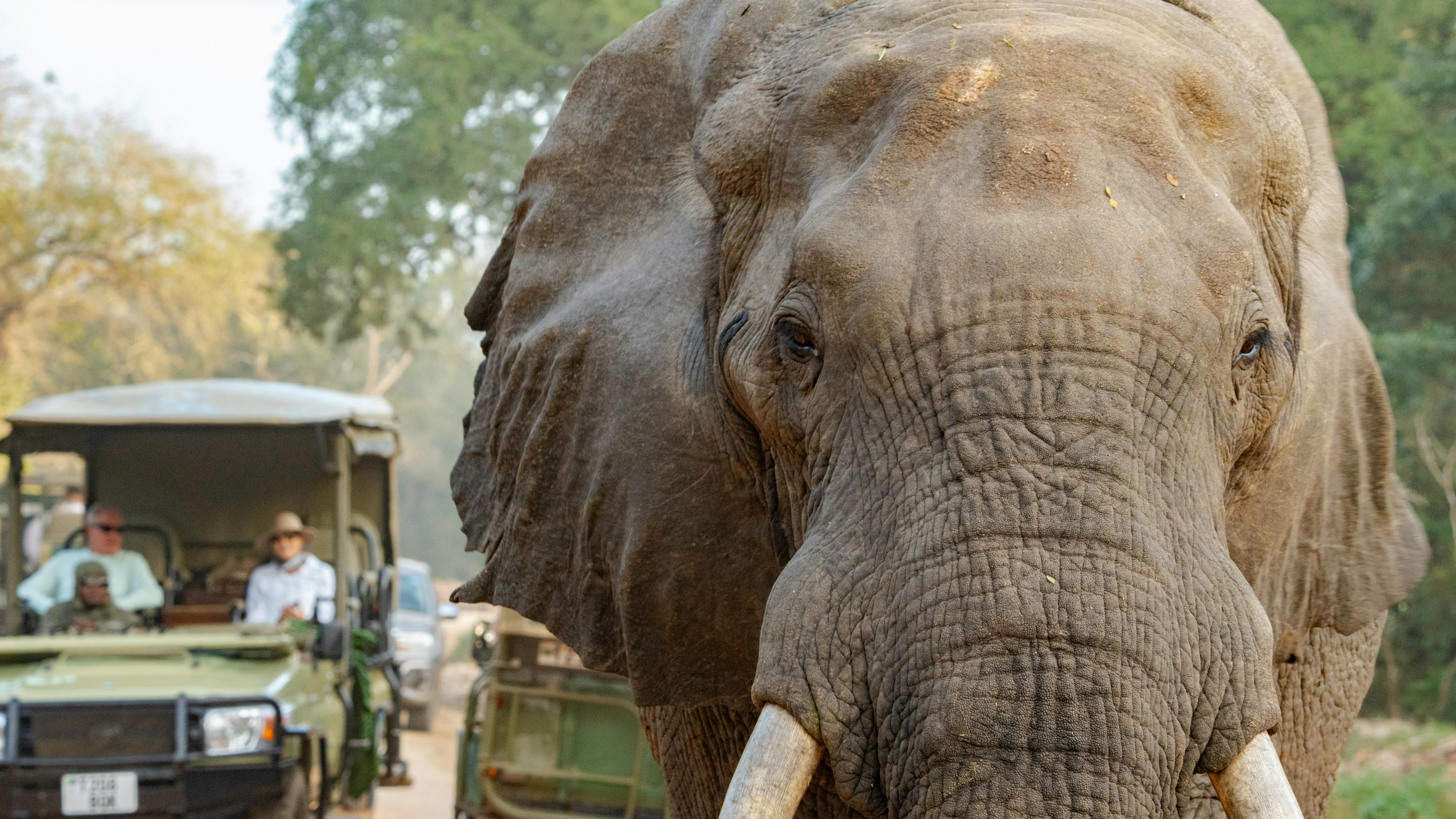
Discover how regenerative wildlife tourism is transforming travel in 2026, offering impactful adventures that actively restore ecosystems and empower local communities. Learn to identify and book the best ethical tours, from conservation safaris to marine regeneration projects, ensuring your next journey leaves a positive legacy. Maximize your travel impact with our expert guide and comparison of leading sustainable options.
Introduction to the Topic
In 2026, the world of wildlife tourism is undergoing a profound transformation. The days of simply 'doing no harm' are giving way to a more ambitious, impactful philosophy: Regenerative Wildlife Tourism. This isn't just about minimizing your footprint; it's about actively contributing to the restoration of ecosystems, the empowerment of local communities, and leaving the places you visit better than you found them. As conscious travelers increasingly seek meaningful experiences, regenerative tourism has emerged as the gold standard for ethical, high-impact adventures.
Imagine a safari where your booking directly funds rewilding efforts for endangered species, or a marine expedition where you actively participate in coral reef restoration. This is the promise of regenerative travel – a paradigm shift that recognizes the powerful potential of tourism as a force for good. For those looking to invest in genuine conservation and community development while experiencing the planet's most incredible wildlife, understanding and choosing regenerative tours is paramount. This article will guide you through this exciting new frontier, helping you identify, compare, and book the most impactful wildlife experiences available today.
Backgrounds & Facts
The concept of ecotourism, born in the late 20th century, aimed to connect travelers with nature while conserving the environment and improving local well-being. While it laid crucial groundwork, ecotourism often faced challenges, including 'greenwashing' and a focus on minimal negative impact rather than active positive contribution. By 2026, a growing awareness of global environmental crises and social inequalities has propelled the travel industry towards a more proactive approach: regeneration.
Regenerative tourism expands on ecotourism's principles by actively seeking to restore and revitalize. Its core tenets include:
- Biodiversity Restoration: Direct involvement or funding for rewilding, habitat rehabilitation, and species protection.
- Community Empowerment: Ensuring economic benefits flow directly to local and indigenous communities, fostering ownership and cultural preservation.
- Carbon Positivity: Moving beyond carbon neutrality to actively sequester more carbon than emitted, often through reforestation or blue carbon initiatives.
- Holistic Well-being: Recognizing the interconnectedness of ecological, social, and economic health.
- Ethical Encounters: Prioritizing animal welfare, ensuring wildlife interactions are respectful, non-intrusive, and beneficial to the animals.
Market data from early 2026 indicates that over 70% of high-net-worth travelers and a significant portion of millennials and Gen Z are willing to pay a premium for travel experiences that demonstrate tangible positive impact. This demand fuels the growth of genuine regenerative operators, driving innovation in conservation funding and sustainable practices. Regions like Southern Africa, the Amazon Basin, and the Coral Triangle are seeing significant investment in regenerative tourism projects, proving that responsible travel can indeed be profitable and profoundly beneficial.
Expert Opinion / Analysis
“The shift to regenerative tourism isn't just a trend; it's an imperative for the travel industry,” states Dr. Anya Sharma, a renowned conservation biologist and founder of the Global Regenerative Travel Alliance. “For decades, we’ve asked tourism to 'do no harm.' Now, with the critical state of our planet's biodiversity, we must demand it actively 'do good.' Travelers in 2026 are more educated and discerning. They want their money to count, to be part of the solution, not just an observer.”
Dr. Sharma emphasizes that true regenerative tourism goes beyond certifications. “It requires deep partnerships with local communities, scientific backing for conservation efforts, and radical transparency. Operators must demonstrate measurable impact – whether it’s acres of habitat restored, new jobs created, or specific species populations increasing. The rise of blockchain technology is even allowing some forward-thinking companies to track and verify donation flows and project milestones, offering unprecedented accountability to the discerning traveler.”
The analysis reveals that the biggest challenge for travelers is navigating the landscape of claims. “'Regeneration washing' is a real threat,” warns Sharma. “Travelers need to look for operators with long-term commitments, clear impact reports, and partnerships with reputable conservation organizations. It’s no longer enough to just plant a tree; it’s about ensuring that tree contributes to a thriving, biodiverse ecosystem and supports local livelihoods.” The expert consensus is clear: choosing regenerative travel is the most powerful way for individuals to contribute to a sustainable future while enjoying unparalleled wildlife experiences.
💰 Best Options in Comparison (VERY IMPORTANT)
Identifying truly regenerative wildlife tours requires careful consideration. Look for operators that prioritize transparent impact reporting, deep community engagement, and scientifically-backed conservation projects. Here are some of the best types of options for booking your next impactful adventure:
- High-Impact Conservation Safaris: These tours partner directly with national parks and wildlife reserves, often involving travelers in citizen science, anti-poaching initiatives, or rewilding projects. They offer immersive experiences with a direct, measurable conservation outcome. Ideal for those seeking active participation and a deep understanding of conservation challenges.
- Community-Led Indigenous Experiences: Fully owned and operated by local or indigenous communities, these tours ensure that economic benefits stay within the community. They often focus on cultural preservation alongside wildlife viewing, offering authentic insights into traditional ecological knowledge and sustainable living. Perfect for cultural immersion and direct community support.
- Marine Regeneration Adventures: Focused on ocean health, these expeditions might involve coral reef restoration, marine debris clean-ups, whale research, or sustainable fishing initiatives. Travelers often participate in dives or snorkeling activities that directly contribute to marine ecosystem recovery. A must for ocean lovers and underwater enthusiasts.
- Specialized Photography & Research Expeditions: Designed for enthusiasts with specific skills, these trips often contribute valuable data to ongoing research projects. Whether tracking rare birds, documenting plant species, or assisting wildlife veterinarians, these tours offer a unique blend of passion and purpose. Great for skilled volunteers and serious hobbyists.
To help you compare, here's a detailed table outlining key aspects to consider when booking your regenerative wildlife experience:
| Tour Type | Key Focus | Traveler Involvement | Price Guide (per person, 7-10 days) | Recommended Certifications to Look For | Ideal For |
|---|---|---|---|---|---|
| High-Impact Conservation Safaris | Species protection, habitat restoration, anti-poaching | Citizen science, field work assistance, direct funding | $$ (Luxury to Premium) | B Corp, Regenerative Travel Certified, Global Sustainable Tourism Council (GSTC) | Active conservationists, wildlife enthusiasts, impactful luxury travelers |
| Community-Led Indigenous Experiences | Cultural preservation, local economy, traditional conservation | Cultural exchange, local crafts/food, direct purchase of services | $$ (Mid-range to Premium) | Fair Trade Tourism, Indigenous Tourism Association certifications | Cultural explorers, ethical travelers, those seeking authentic local connections |
| Marine Regeneration Adventures | Coral restoration, ocean clean-ups, marine research | Diving/snorkeling for data collection, planting coral, debris removal | $$ (Mid-range to Premium) | Green Fins, Project AWARE, Marine Stewardship Council aligned operators | Ocean lovers, divers, snorkelers, marine conservation volunteers |
| Specialized Photography & Research Expeditions | Scientific data collection, species monitoring, ecological surveys | Photography contribution, data entry, field assistance, specimen collection | $$ (Premium to Expedition) | Partnerships with universities/NGOs, scientific advisory boards | Skilled photographers, researchers, citizen scientists, highly specialized travelers |
When you're ready to book your ethical wildlife tour, always look for detailed itineraries, transparent impact reports, and testimonials. Platforms like ResponsibleTravel.com, Intrepid Travel, and National Geographic Expeditions are increasingly featuring such regenerative options, making it easier to find verified choices. Don't hesitate to ask operators directly about their specific regenerative projects and how your money contributes.
Outlook & Trends
Looking ahead to the rest of 2026 and beyond, regenerative wildlife tourism is poised for exponential growth and innovation. Several key trends are emerging:
- Hyper-Personalized Impact Journeys: AI-powered platforms will increasingly match travelers with highly specific conservation projects based on their interests, skills, and desired impact outcomes, creating bespoke regenerative itineraries.
- Blockchain for Transparency: Expect wider adoption of blockchain technology to track every dollar spent, every tree planted, and every community initiative supported, providing unparalleled transparency and trust for travelers.
- Carbon-Positive Travel Packages: The industry will move beyond carbon offsetting to offer 'carbon-positive' trips, where the traveler's journey actively removes more carbon from the atmosphere than it emits, often through investment in blue carbon projects or large-scale reforestation.
- Virtual Reality Pre-Trip Immersion: Before booking, travelers will be able to experience VR tours of conservation sites, meet local guides virtually, and understand the project's impact, enhancing engagement and decision-making.
- Policy & Investment Growth: Governments and international bodies will increase funding and policy support for regenerative tourism initiatives, recognizing their dual role in economic development and environmental protection. This will lead to more protected areas opening up to carefully managed, high-impact tourism.
The future of wildlife travel is bright, demanding, and deeply rewarding. It calls for travelers to be active participants in conservation, not just passive observers, and the industry is rapidly evolving to meet this powerful demand.
Conclusion
Regenerative wildlife tourism represents the pinnacle of ethical and impactful travel in 2026. It's a powerful evolution from traditional ecotourism, inviting you to not just witness the wonders of our planet, but to actively contribute to their restoration and the well-being of the communities that protect them. By choosing regenerative tours, you are investing in a future where travel is a force for healing, where every journey leaves a legacy of positive change.
Your next wildlife adventure can be more than just a vacation; it can be a vital contribution to global conservation and sustainable development. Use the insights and comparisons provided here to confidently book your next regenerative wildlife tour, knowing that your purchasing intent is driving real, measurable impact. Embrace the opportunity to travel with purpose, connect deeply with nature and culture, and return home knowing you've left the world a little better than you found it. The time to travel regeneratively is now.