
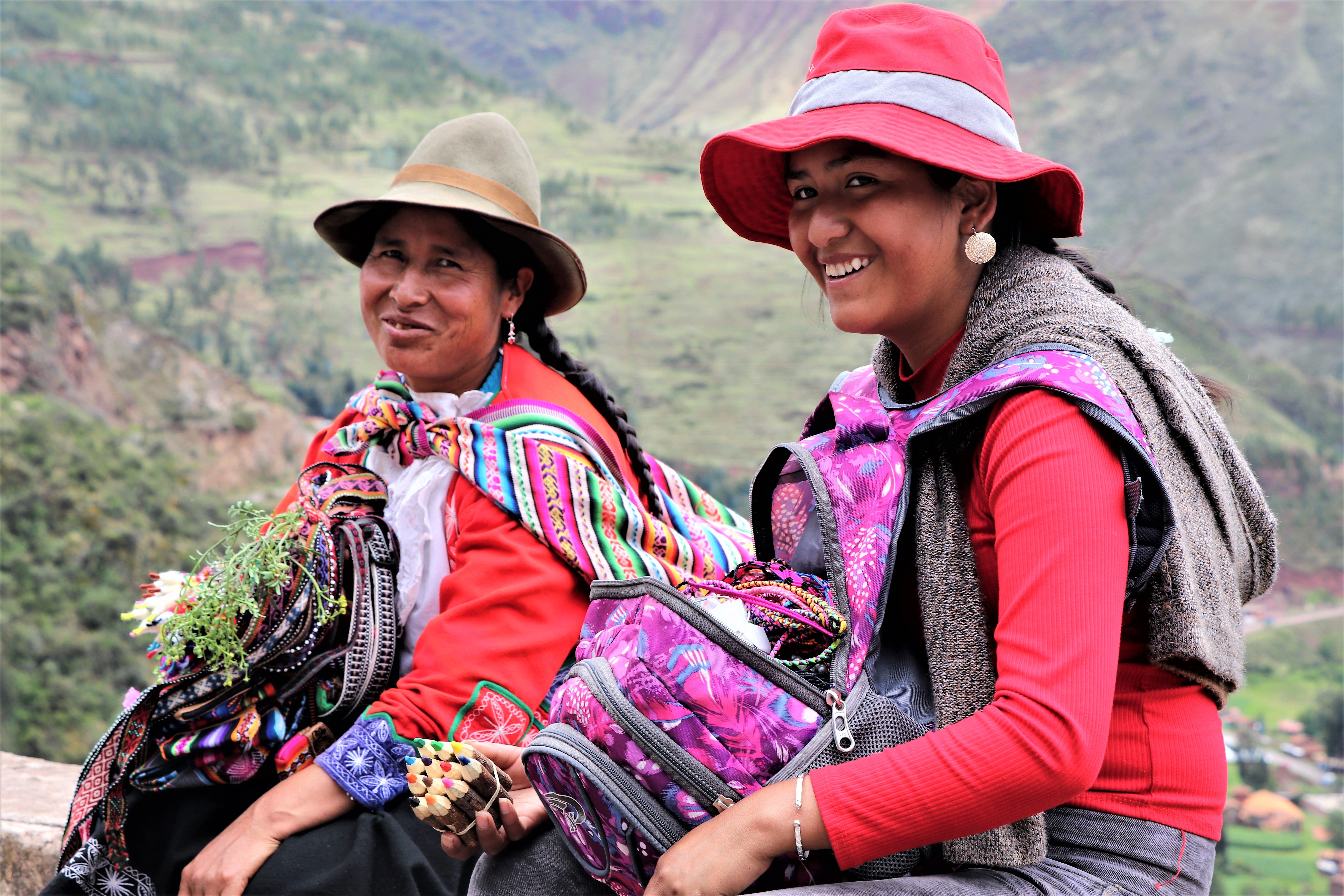
Unlock the transformative power of community tourism in 2026. This comprehensive guide uncovers authentic local experiences, ethical travel opportunities, and direct economic impact for host communities, helping you book sustainable journeys and maximize your travel investment while preserving culture and nature. Discover the best platforms, compare top options, and plan your next impactful adventure.
Introduction to the Topic
In 2026, the travel landscape has profoundly shifted. Gone are the days when a simple beach resort or a whirlwind city tour satisfied the modern explorer. Today's conscious traveler seeks more: authenticity, connection, and a tangible positive impact. This is precisely where community tourism shines, emerging not just as a trend, but as a cornerstone of responsible global exploration. Community tourism, at its heart, is about empowering local populations by directly involving them in the tourism process, ensuring that the economic, social, and environmental benefits remain within the community. It's a symbiotic relationship where travelers gain unparalleled cultural immersion and unique experiences, while host communities gain sustainable livelihoods, preserve their heritage, and protect their natural environments.
For too long, the tourism industry has been criticized for its 'leakage' – where a significant portion of tourist spending funnels out of the destination, leaving little for local residents. Community tourism actively combats this, redirecting your travel dollars to support local families, small businesses, and conservation efforts. Imagine learning traditional weaving techniques from an artisan in Peru, sharing a home-cooked meal with a family in rural Thailand, or assisting with conservation projects in a Costa Rican rainforest, all while knowing your presence directly enriches their lives. This isn't just a vacation; it's an investment in a better world, offering a depth of experience that conventional travel simply cannot match. As we navigate the complexities of a post-pandemic world and confront climate change, the demand for travel that aligns with personal values of sustainability and social responsibility has never been higher. This guide will equip you with the knowledge and resources to embark on your own meaningful community tourism journey in 2026.
Backgrounds & Facts
The concept of community tourism, also known as community-based tourism (CBT), has roots stretching back decades, but its global recognition and accessibility have surged dramatically in recent years. The United Nations World Tourism Organization (UNWTO) has consistently highlighted its potential for sustainable development, particularly in rural and indigenous areas. By 2026, data suggests that over 30% of travelers are actively seeking out experiences that offer direct community engagement, a significant leap from pre-2020 figures. This growth is fueled by a confluence of factors: increased digital connectivity allowing direct booking and communication, a heightened global awareness of ethical consumption, and a desire among younger generations for experiential learning over passive observation.
Key characteristics of successful community tourism initiatives include local ownership and management, equitable distribution of benefits, cultural preservation, and environmental stewardship. For instance, in regions like the Amazon, indigenous communities are operating eco-lodges and guiding tours, effectively turning tourism into a powerful tool for land protection and cultural survival. In East Africa, Maasai communities are offering cultural boma visits and safari experiences, ensuring that revenue directly supports schools, healthcare, and livestock management. These models stand in stark contrast to mass tourism, which often leads to overcrowding, cultural commodification, and environmental degradation, with profits frequently repatriated to foreign corporations. Community tourism, by design, minimizes these negative externalities while maximizing positive impact. It's a resilient model, demonstrating greater adaptability during global crises, as local networks can often pivot and support each other more effectively than large, centralized operations. Understanding these fundamentals is crucial for any traveler looking to make truly informed and impactful choices with their travel budget.
Expert Opinion / Analysis
"The transition from 'tourism for profit' to 'tourism for purpose' is the defining narrative of travel in 2026," asserts Dr. Anya Sharma, a leading expert in sustainable development and tourism economics at the Global Institute for Responsible Travel. "Community tourism isn't just a niche; it's becoming the gold standard for ethical engagement. We're seeing a powerful shift where travelers are no longer content with merely observing a culture; they want to participate, to learn, and to contribute directly to its flourishing."
Dr. Sharma's analysis highlights several critical aspects. Firstly, the economic multiplier effect in community tourism is significantly higher. "When you book directly with a community-run guesthouse or hire a local guide, almost every dollar stays within that local economy, circulating to support local markets, artisans, and service providers," she explains. "This creates robust, resilient local economies that are less susceptible to external shocks." Secondly, the cultural preservation aspect is invaluable. "Communities involved in tourism have a vested interest in maintaining their traditions, languages, and art forms, as these are often what attract visitors. It transforms cultural heritage from a static artifact into a living, breathing experience that generates income and pride." Lastly, environmental stewardship is often intrinsically linked. "Many community tourism projects are based in areas of high biodiversity. The income generated provides a direct incentive for locals to protect their natural resources, turning them into guardians of their ecosystems rather than exploiters." This comprehensive approach makes community tourism not just a travel choice, but a powerful engine for global sustainable development, fostering genuine cross-cultural understanding and respect, which Dr. Sharma argues is more vital than ever in our interconnected world.
💰 Best Options in Comparison (VERY IMPORTANT)
Navigating the diverse world of community tourism can seem daunting, but thankfully, a growing number of platforms and operators are making it easier than ever to book impactful journeys. When considering your next adventure, think about the level of immersion, logistical support, and direct impact you desire. Here are some of the best ways to engage with community tourism in 2026, helping you compare options and find the perfect fit for your travel style and budget.
- Direct-to-Community Booking Platforms: These innovative platforms connect travelers directly with local communities offering homestays, cultural workshops, and guided tours. Think of them as the 'Airbnb' of community tourism, cutting out intermediaries to ensure a higher percentage of your payment reaches the hosts.
- Specialized Ethical Tour Operators: For those who prefer a more structured experience, these operators curate multi-day trips focused on community engagement. They handle logistics, accommodation, and activities, often working with a network of vetted community partners. They ensure a high standard of ethical practice and often include educational components.
- Community-Owned Eco-Lodges & Rural Stays: These are accommodations (often remote) directly owned and operated by local communities. Staying here isn't just about a bed; it's about experiencing sustainable living, participating in daily life, and contributing directly to the lodge's community development projects.
- Voluntourism with Verified Social Enterprises: While 'voluntourism' has faced scrutiny, reputable social enterprises offer structured programs where your skills (e.g., teaching, conservation, construction) genuinely benefit a community project. Look for transparency in how funds are used and clear project goals.
To help you choose, here's a comparison of key aspects:
| Option Type | Key Benefit | Ideal Traveler | Avg. Daily Cost (USD) | Direct Impact Level | Booking Process |
|---|---|---|---|---|---|
| Direct-to-Community Platforms (e.g., 'Local Roots Connect', 'Indigenous Journeys') | Maximum direct financial impact; deep cultural immersion. | Independent, adventurous, budget-conscious travelers seeking raw authenticity. | $30 - $100 (for activities/homestay) | Very High (funds go directly to hosts) | Online platform, direct communication with hosts, often requires more self-planning. |
| Specialized Ethical Tour Operators (e.g., 'Eco-Voyage Expeditions', 'Culture Connect Tours') | Curated experiences, logistical ease, vetted ethical standards. | Travelers wanting structure, expert guidance, and peace of mind; families. | $150 - $400 (all-inclusive tour) | High (operators partner with and compensate communities fairly) | Professional website, package deals, customer support, often includes flights/insurance options. |
| Community-Owned Eco-Lodges & Rural Stays (e.g., 'Verdant Village Stays', 'Andean Harmony Retreats') | Sustainable accommodation, immersive rural life, often conservation-focused. | Nature lovers, those seeking tranquility, travelers interested in sustainable living. | $70 - $250 (per night, often includes meals/activities) | High (revenue supports lodge and community projects) | Direct booking through lodge website or specialized eco-tourism portals. |
| Voluntourism with Verified Social Enterprises (e.g., 'Impactful Ventures', 'Global SkillShare') | Opportunity to contribute skills, deep engagement with specific projects. | Travelers with specific skills, long-term stay preference, desire for active contribution. | $50 - $150 (program fees, often includes accommodation/meals) | Variable (research transparency carefully, but can be very high) | Application process, program fees, often requires interviews/background checks. |
When booking, always look for clear information on how your money is used, read reviews, and consider purchasing comprehensive travel insurance that covers ethical travel experiences. Many platforms now offer seamless payment processing and transparent impact reporting, making it easier than ever to choose wisely and ensure your journey truly makes a difference. Remember to compare flights and accommodation options carefully for the best deals that align with your ethical travel goals.
Outlook & Trends
The future of community tourism in 2026 and beyond looks incredibly promising, driven by technological advancements, evolving traveler expectations, and a global commitment to sustainability. We anticipate several key trends shaping this sector:
- Hyper-Personalization via AI: Artificial intelligence will play an increasing role in matching travelers with ideal community experiences based on their interests, skills, and desired impact. AI-powered platforms will recommend authentic homestays, unique workshops, and remote cultural experiences that perfectly align with individual preferences, making discovery easier and more efficient.
- Blockchain for Transparency: The demand for transparency in financial flows will lead to wider adoption of blockchain technology. This will allow travelers to trace exactly how their payments are distributed within a community, ensuring accountability and building greater trust. Imagine scanning a QR code to see a ledger of your contribution directly supporting a local school or conservation project.
- Rise of 'Work-Cations' and Skill-Sharing: The remote work revolution continues, and community tourism will integrate more 'work-cation' opportunities. Travelers will spend extended periods in communities, contributing their professional skills (e.g., marketing, IT, sustainable agriculture) in exchange for accommodation and cultural immersion, fostering deeper, longer-term relationships.
- Indigenous Tourism Expansion: Indigenous communities worldwide are increasingly taking control of their tourism narratives, offering authentic experiences that educate visitors about their culture, history, and land stewardship. Expect more sophisticated and accessible indigenous-led tours and accommodations, particularly in North America, Australia, and parts of South America.
- Climate-Resilient Travel: As climate change impacts become more apparent, community tourism will focus on destinations and projects that actively contribute to climate resilience and adaptation. This includes supporting communities in developing sustainable agriculture, renewable energy projects, and ecosystem restoration, turning travel into a force for environmental good.
- Enhanced Certification and Standards: A proliferation of robust certification programs will help travelers easily identify truly ethical and impactful community tourism initiatives, moving beyond superficial 'greenwashing' to verifiable standards of sustainability and community benefit.
These trends indicate a future where community tourism isn't just an alternative but a leading model for how we travel responsibly, fostering genuine connections and driving positive change on a global scale.
Conclusion
Community tourism in 2026 offers more than just a vacation; it provides a pathway to meaningful engagement, cultural exchange, and direct positive impact. By choosing to invest your travel dollars in community-led initiatives, you're not only unlocking authentic, unforgettable experiences for yourself but also empowering local populations, preserving invaluable cultural heritage, and championing environmental stewardship. This isn't just about seeing the world; it's about helping to build a better one, one responsible journey at a time.
Whether you opt for a direct-to-community booking, a specialized ethical tour, or an immersive eco-lodge stay, the power to make a difference is in your hands. Embrace the opportunity to travel with purpose, connect on a deeper level, and return home with stories that truly matter. Stop dreaming of impactful travel and start planning. Explore the options, compare the choices, and book your next transformative community tourism adventure today. Your journey awaits, and the communities are ready to welcome you with open arms.