
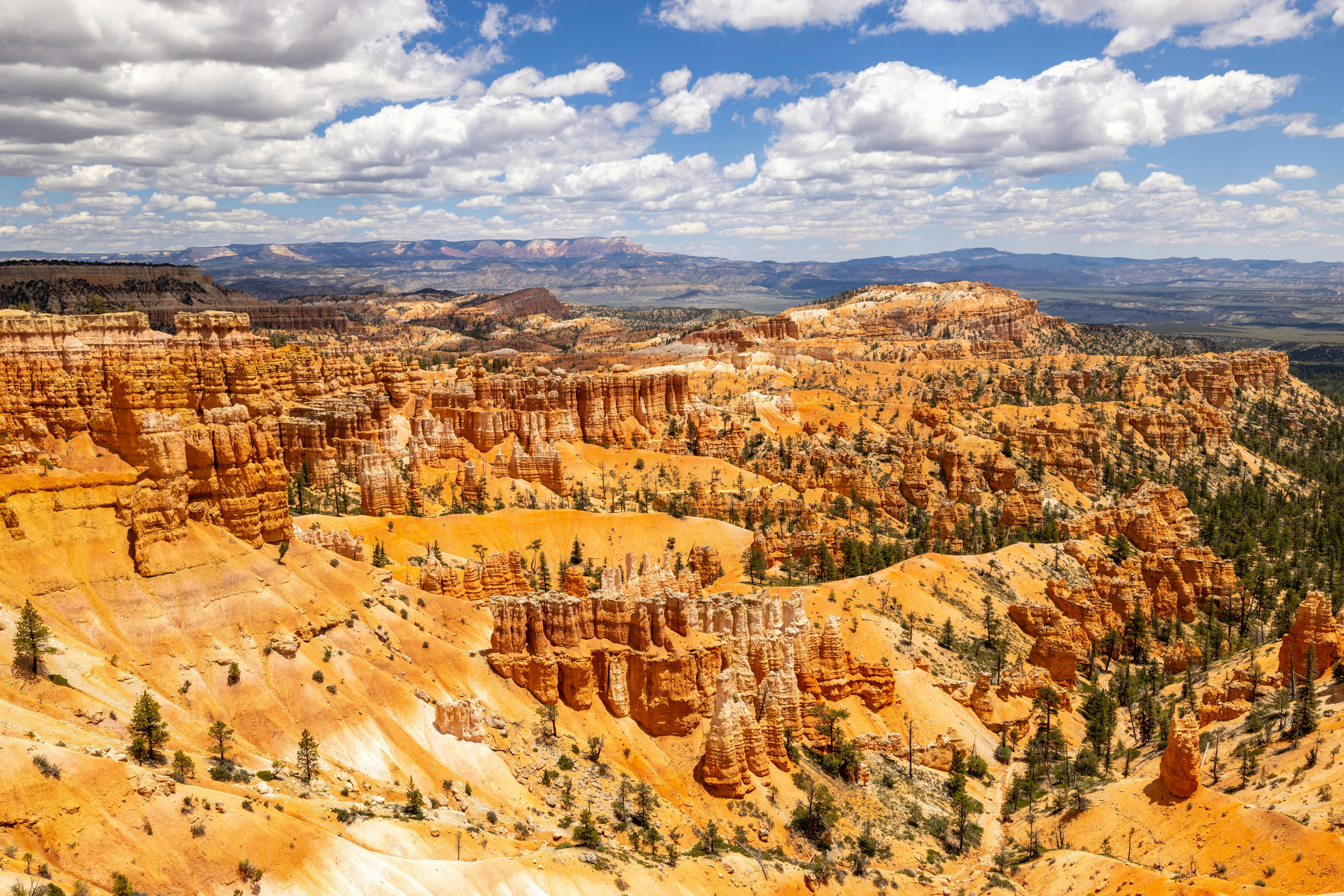
In 2026, America's National Parks are more popular than ever, but responsible travel and smart booking are essential. Discover how to navigate timed entry systems, find hidden gems, and choose eco-friendly tours and accommodations for an unforgettable, sustainable adventure. Optimize your national park experience with cutting-edge tools and expert advice, focusing on maximizing your experience while minimizing your footprint.
Introduction to the Topic
As we navigate 2026, the allure of America's National Parks remains undimmed, drawing record numbers of visitors seeking solace, adventure, and connection with nature. Yet, this surging popularity presents a complex challenge: how do we preserve these irreplaceable landscapes and ensure a high-quality, sustainable experience for all, while simultaneously embracing responsible tourism? The era of simply showing up to your favorite park is rapidly fading, replaced by a sophisticated ecosystem of permits, timed entry systems, and a growing emphasis on eco-conscious travel choices.
This article, brought to you by ecofriendlytravelguides.com, dives deep into the evolving landscape of National Park visitation. We'll explore the innovative strategies required to secure your spot in these cherished natural wonders, highlight the best sustainable travel options, and reveal how new technologies are transforming the way we plan and experience our park adventures. Whether you're a seasoned park-goer or planning your first wilderness escape, understanding these trends is key to unlocking a truly rewarding and responsible journey in 2026 and beyond.
Backgrounds & Facts
The post-pandemic travel boom, coupled with a renewed appreciation for outdoor spaces, has pushed visitor numbers in many iconic national parks to unprecedented levels by 2026. Parks like Zion, Yellowstone, Yosemite, and Glacier now routinely implement advanced reservation systems for entry, specific trail access, or even overnight stays, often booking out months in advance. Data from the National Park Service indicates a consistent 5-7% year-over-year increase in overall visitation since 2023, with certain hotspots seeing spikes exceeding 10%.
This increased foot traffic, while economically beneficial for gateway communities, puts immense pressure on delicate ecosystems, infrastructure, and visitor services. Environmental impacts include trail erosion, habitat disturbance, increased waste, and air pollution from vehicle emissions. From a visitor experience standpoint, overcrowding can lead to traffic jams, packed viewpoints, and a diminished sense of wilderness and tranquility – precisely what many visitors seek.
In response, park management has escalated efforts to manage demand through various mechanisms:
- Timed Entry Systems: Mandated windows for vehicle entry, often requiring advance online reservations (e.g., Rocky Mountain, Arches).
- Permit Lotteries: For highly sought-after trails or activities (e.g., Half Dome in Yosemite, The Wave in Coyote Buttes North).
- Shuttle Systems: Reducing private vehicle traffic in congested areas (e.g., Zion Canyon, Grand Canyon South Rim).
- Dynamic Pricing Models: Some private concessions within parks are experimenting with demand-based pricing for accommodations or services.
Beyond logistics, the climate crisis continues to reshape our parks. Glacier National Park's namesake glaciers are rapidly receding, while parks in the Southwest face prolonged droughts and increased wildfire risks. These realities underscore the urgent need for every visitor to adopt sustainable travel practices, ensuring these natural treasures endure for future generations.
Expert Opinion / Analysis
Dr. Eleanor Vance, a leading expert in sustainable tourism and Director of the National Parks Stewardship Institute, emphasizes the critical shift towards proactive planning and responsible choices. "By 2026, the idea of a spontaneous summer trip to a marquee national park is largely a relic of the past," Dr. Vance explains. "Visitors must now become active participants in park management simply by how they plan their trip. This means understanding reservation systems, considering off-peak travel, and actively seeking out less-visited areas or even alternative parks."
Dr. Vance also highlights the dual role of technology. "On one hand, booking platforms and real-time park alerts (often powered by AI) are essential tools for navigating complex entry requirements. On the other, the digital footprint of our travel choices, from carbon emissions of transportation to the waste generated by our gear, is becoming increasingly transparent. Travelers are empowered, and indeed expected, to make informed, eco-conscious decisions."
Her research indicates a growing trend in 'regenerative tourism,' where visitors don't just minimize impact but actively contribute to conservation efforts. "We're seeing an uptake in voluntourism programs, citizen science initiatives, and a greater demand for tour operators who demonstrably invest in local communities and ecological restoration. This isn't just about 'leave no trace' anymore; it's about leaving a positive impact." The challenge, she notes, is balancing accessibility with preservation, ensuring that the parks remain open to all while safeguarding their ecological integrity.
💰 Best Options in Comparison (VERY IMPORTANT)
Navigating the 2026 National Park landscape requires strategy, foresight, and a commitment to sustainable choices. Here are your best options for planning an unforgettable, eco-friendly adventure:
- Option 1: Master the Official Booking Platforms Early. For permits, timed entry, and most campsites, Recreation.gov is your primary gateway. Set calendar reminders for booking windows, which can open up to six months in advance. For specific park-run lodging, check individual park websites. Consider purchasing an America the Beautiful Pass for annual entry to all federal recreation sites, a cost-effective and convenient choice for multiple visits.
- Option 2: Embrace Eco-Certified Tour Operators. For a hassle-free and genuinely sustainable experience, consider booking with tour companies that hold certifications like Sustainable Travel International or The International Ecotourism Society. These operators often secure permits on your behalf, provide expert guides who prioritize low-impact practices, and invest a portion of their profits back into conservation. Companies like "EcoTrek Adventures" or "Wilderness Wayfinders" (check their 2026 itineraries!) offer small-group trips focused on education and minimal environmental footprint.
- Option 3: Explore Lesser-Known National Parks & Sister Sites. While Yellowstone is iconic, consider parks like Great Basin National Park, Badlands National Park, or Isle Royale National Park for equally stunning but far less crowded experiences. National Monuments, Forests, and State Parks also offer incredible outdoor opportunities without the intense competition for access.
- Option 4: Travel Off-Peak & Mid-Week. The simplest way to beat the crowds and often find better deals on accommodations is to visit during shoulder seasons (spring/fall) or winter, and always aim for weekdays over weekends. This drastically improves your chances of securing permits and enjoying a more serene park experience.
- Option 5: Prioritize Sustainable Accommodation & Transport. Look for lodging near parks that are Green Seal certified or locally owned eco-lodges. Consider renting an electric vehicle (EV) for your trip – many gateway towns are rapidly expanding their charging infrastructure by 2026 – or utilizing park shuttle services. For longer distances, explore train travel to nearby hubs.
Here's a comparison of key booking strategies:
| Booking Strategy | Primary Use | Sustainability Focus | Best For | Price/Access |
|---|---|---|---|---|
| Recreation.gov | Permits, Campsites, Timed Entry | Indirect (manages capacity) | DIY planners, budget-conscious, early birds | Low fees, competitive access |
| Eco-Certified Tour Operators | Guided tours, all-inclusive packages | High (low-impact, conservation contributions) | First-timers, group travel, educational focus, guaranteed access | Higher cost, premium experience |
| Off-Peak/Mid-Week Travel | General park visitation | High (reduces strain on peak periods) | Flexible travelers, seeking solitude, budget-friendly | Variable, often lower |
| Lesser-Known Parks/Sites | Alternative outdoor adventures | High (distributes visitor impact) | Explorers, crowd-averse, unique experiences | Low, easier access |
| Sustainable Accommodation/Transport | Overall trip logistics | High (reduces carbon footprint, supports local) | Environmentally conscious travelers | Can be comparable or slightly higher for EVs/eco-lodges |
Outlook & Trends
Looking ahead, the National Park experience in 2026 and beyond will be shaped by several key trends:
- AI-Enhanced Planning & Real-Time Guidance: Expect more sophisticated AI tools that can suggest personalized itineraries based on your interests, fitness level, and real-time park conditions (crowd levels, trail closures). Apps will offer dynamic routing to avoid congestion and recommend hidden viewpoints.
- Expanded EV Infrastructure & Micro-Mobility: The push for electric vehicles will see a significant expansion of charging stations within and around parks. E-bike rentals and designated e-bike trails will become more common, offering sustainable ways to explore.
- Virtual & Augmented Reality Pre-Trip Experiences: To manage expectations and provide immersive education, parks will increasingly offer high-quality VR tours and AR experiences, allowing visitors to "scout" trails or learn about wildlife before arrival, reducing impact on sensitive areas.
- Data-Driven Conservation: Park management will leverage big data and predictive analytics to optimize visitor flow, deploy resources more efficiently, and monitor ecological health with unprecedented precision, ensuring that conservation remains at the forefront.
- Increased Focus on Indigenous Perspectives: Expect a continued and strengthened effort to integrate the cultural heritage and traditional ecological knowledge of Indigenous peoples into park interpretation and management, offering richer, more holistic visitor experiences.
- Personalized Carbon Footprint Tracking: Travel platforms will likely integrate tools that calculate the carbon footprint of your entire trip, offering easy options for verified carbon offsetting programs during the booking process.
These trends point towards a future where technology and sustainability are intertwined, creating a more managed, yet potentially more meaningful, way to connect with our national treasures.
Conclusion
The journey to America's National Parks in 2026 is an exciting one, but it demands a conscious approach. The days of spontaneous visits to Yellowstone in July are largely behind us, replaced by a system that prioritizes planning, permits, and purposeful travel. By understanding and utilizing the advanced booking systems, choosing eco-certified operators, exploring off-peak options, and considering the vast network of lesser-known parks, you can craft an adventure that is both deeply rewarding and environmentally responsible.
As stewards of these magnificent landscapes, our choices matter more than ever. Embrace the tools and strategies outlined in this guide, and you'll not only secure your spot in these cherished natural wonders but also contribute to their preservation for generations to come. Start planning your 2026 eco-adventure today – the wilderness awaits, responsibly.