
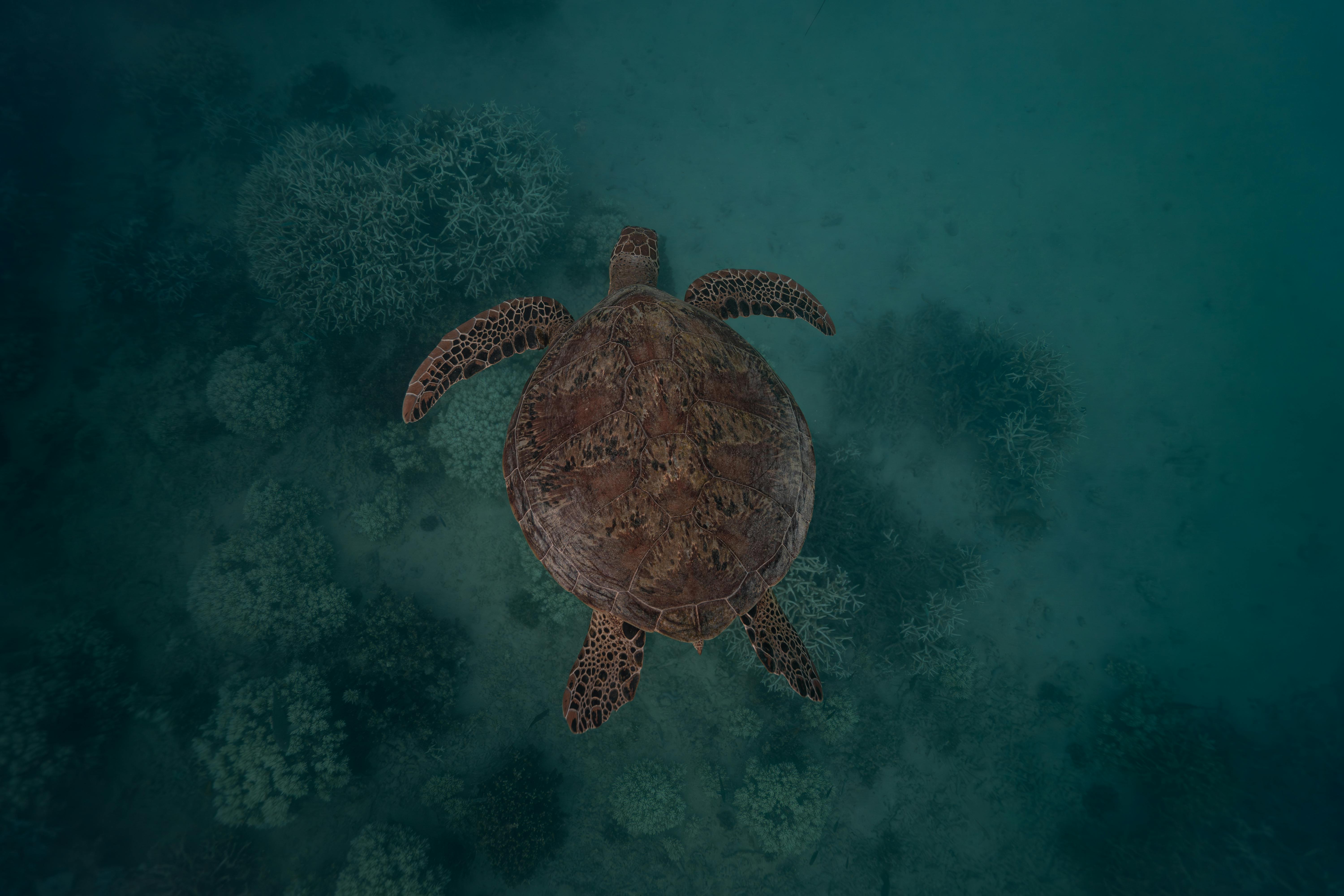
Discover how your 2026 eco-travel adventures can directly fuel vital ocean conservation efforts. From immersive coral reef restoration programs and ethical marine wildlife encounters to supporting blue carbon initiatives and choosing sustainable gear, this guide unveils top opportunities for impactful travel, smart investments, and responsible choices that protect our planet's most precious resource. Learn to differentiate genuine conservation projects and maximize your positive footprint.
Introduction to the Topic
As the year 2026 unfolds, the urgency of ocean conservation has never been more pronounced, yet so too has the incredible opportunity for individual travelers to make a tangible difference. The days of simply observing from the sidelines are fading; a new era of 'impact travel' is here, inviting conscious explorers to become active participants in safeguarding our blue planet. At ecofriendlytravelguides.com, we believe that your next vacation can be more than just a getaway – it can be a powerful statement, a direct investment in the health of our oceans, and an unforgettable journey of purpose.
This comprehensive guide is designed to empower you, the discerning eco-traveler, with the knowledge and resources to transform your wanderlust into a force for good. We’ll delve into the trending frontiers of marine conservation, from cutting-edge restoration techniques to innovative blue carbon initiatives, and show you exactly how your choices – from booking a volunteer expedition to selecting your travel gear – can contribute meaningfully. Get ready to explore the best options for truly impactful ocean conservation travel and discover how your purchasing power can drive real, measurable change.
Backgrounds & Facts
Our oceans, covering over 70% of the Earth's surface, are the lifeblood of our planet. They regulate climate, produce the air we breathe, and support an astounding diversity of life, from microscopic plankton to majestic whales. However, these vital ecosystems face unprecedented threats. Climate change leads to ocean warming and acidification, devastating coral reefs and marine species. Plastic pollution chokes marine life and contaminates food chains. Overfishing depletes fish stocks, disrupting delicate ecological balances, and habitat destruction from coastal development further exacerbates these issues.
The good news is that global awareness and action are escalating. The UN Decade of Ocean Science for Sustainable Development (2021-2030) has galvanized international efforts, fostering innovation in marine research and conservation. Governments are expanding Marine Protected Areas (MPAs), and technological advancements, such as AI-powered monitoring and advanced biotechnologies for reef restoration, are offering new hope. Crucially, there's a growing recognition that conservation cannot succeed without community engagement and the support of a responsible global citizenry – including travelers. The market for sustainable tourism is booming, with more people actively seeking experiences that align with their values, creating a powerful economic incentive for conservation.
Understanding these challenges and opportunities is the first step. The next is recognizing that your choices as a consumer and traveler have a ripple effect, shaping the demand for ethical services and supporting the organizations on the front lines of ocean protection. By choosing wisely, you contribute not only to preserving marine biodiversity but also to fostering sustainable livelihoods for coastal communities and ensuring the long-term health of our planet.
Expert Opinion / Analysis
“The landscape of ocean conservation travel has matured significantly,” explains Dr. Anya Sharma, a leading marine biologist and eco-tourism consultant. “In 2026, it’s less about simple voluntourism and more about ‘regenerative travel’ – leaving a place better than you found it. Travelers are increasingly sophisticated, seeking programs with transparent impact metrics, genuine scientific backing, and strong community partnerships. The key is to look beyond superficial claims and scrutinize an organization’s long-term commitment and methodology.”
Dr. Sharma emphasizes the critical role of technology in this evolution. “AI is revolutionizing how we monitor marine ecosystems, track plastic pollution, and even identify individual marine animals for conservation research. Travelers can now participate in citizen science programs using smartphone apps to log sightings, identify coral species, or even track microplastic concentrations. This data is invaluable.” She also highlights the rise of blue carbon initiatives as a game-changer. “Protecting and restoring coastal ecosystems like mangroves and seagrass beds isn’t just about biodiversity; it’s about massive carbon sequestration. Travelers can now directly support these projects, often with verifiable carbon offsetting benefits, making their entire journey carbon-neutral or even carbon-positive.”
For those considering direct participation, Dr. Sharma advises, “Always prioritize certified operators. For diving, look for PADI AWARE or Green Fins accreditation. For tours, seek out Global Sustainable Tourism Council (GSTC) certified providers or those recognized by local environmental agencies. These certifications signal a commitment to best practices, ethical interactions with wildlife, and responsible waste management. Your investment should fund genuine conservation, not just a feel-good experience.” This expert perspective underscores the need for informed choices, ensuring your hard-earned money translates into maximum positive impact.
💰 Best Options in Comparison (VERY IMPORTANT)
Making a difference starts with making informed choices. Here are the top categories for high-impact ocean conservation travel and investments in 2026, designed to help you align your passion with purposeful action:
-
Coral Reef Restoration Expeditions & Citizen Science Diving
Dive into direct action! These programs allow you to participate in hands-on coral planting, reef monitoring, and data collection critical for scientific research. Look for organizations partnered with marine biology research institutes or certified by PADI AWARE Foundation. Destinations like the Maldives, Fiji, Belize, and the Great Barrier Reef offer pioneering programs. Many offer specialized dive certifications (e.g., PADI Coral Reef Conservation Specialist) that enhance your skills and impact.
-
Ethical Marine Wildlife Encounters & Marine Protected Area (MPA) Support
Experience marine life responsibly. Choose tours that adhere to strict guidelines for wildlife interaction, focusing on observation over interference. This includes ethical whale and dolphin watching (e.g., in Baja California, Iceland), sea turtle nesting patrols (e.g., Costa Rica, Greece), or shark research expeditions (e.g., Bahamas). Ensure operators are licensed, follow local regulations, and contribute a portion of proceeds directly to MPA management or conservation funds. Look for operators with the Blue Flag certification for beaches and marinas, indicating high environmental standards.
-
Blue Carbon Travel Offsets & Mangrove/Seagrass Reforestation
Offset your carbon footprint while boosting marine biodiversity. Support projects that protect and restore vital coastal ecosystems like mangroves, seagrass beds, and salt marshes. These 'blue carbon' habitats are incredibly efficient at sequestering carbon, protecting coastlines, and serving as nurseries for marine life. Many eco-lodges and travel agencies now offer integrated blue carbon offsetting options, or you can directly contribute to reputable NGOs specializing in coastal habitat restoration (e.g., through carbon credit purchases from verified projects).
-
Sustainable Marine Gear & Plastic-Free Travel Kits
Your gear choices matter. Invest in high-quality, durable, and ethically produced items that reduce your environmental footprint. This includes reef-safe sunscreen (non-nano zinc oxide/titanium dioxide), swimwear made from recycled plastics (e.g., ECONYL®), reusable water bottles and coffee cups, plastic-free toiletries, and quick-drying, sustainably sourced apparel. Many brands now offer transparent supply chains and contribute a portion of sales to ocean conservation. Choosing these products sends a clear message to the market.
To help you compare, here’s a breakdown of key considerations:
| Conservation Focus | Type of Engagement | Impact Level | Typical Cost Range (per week/item) | Recommended Providers/Certifications |
|---|---|---|---|---|
| Coral Reef Restoration & Monitoring | Volunteer Expedition, Citizen Science Diving | High (Direct contribution to ecosystem health & research) | $800 - $2,500+ (Excl. flights) | PADI AWARE Foundation partners, Reef Check, local university programs |
| Ethical Marine Wildlife Encounters | Guided Tours, Responsible Ecotourism | Medium (Funding MPAs, raising awareness, non-invasive observation) | $50 - $500 (per tour/day) | Green Fins accredited dive centers, World Cetacean Alliance partners, Blue Flag certified marinas |
| Blue Carbon & Coastal Habitat Protection | Direct Donation, Carbon Offset Purchase, Eco-lodge stay | High (Climate change mitigation, coastal protection, biodiversity) | $20 - $200+ (per offset/project) | Verified Carbon Standard (VCS) projects, Gold Standard, reputable NGOs |
| Sustainable Gear & Plastic Reduction | Product Purchase, Lifestyle Choice | Medium-High (Reduced pollution, ethical consumption, market demand) | $10 - $200+ (per item) | B Corp certified brands, 1% for the Planet members, brands using recycled materials (e.g., ECONYL®) |
Outlook & Trends
Looking ahead to the rest of the decade, the field of ocean conservation travel is set for exciting transformations. We anticipate a surge in hyper-personalized conservation experiences, where travelers can tailor their contributions based on specific interests, from tracking endangered species using AI-powered recognition to supporting specific reef restoration sites with personalized updates on 'their' coral fragments. Virtual reality and augmented reality will play increasingly vital roles, not just for pre-trip education but also for post-trip engagement, allowing participants to virtually revisit project sites and see their impact unfold.
The concept of 'regenerative travel' will move from niche to mainstream, with more tour operators and accommodations designing itineraries that actively contribute to the ecological and social well-being of destinations. This includes not just conservation work but also cultural exchange, local economic empowerment, and sustainable resource management. Furthermore, expect to see greater integration of blockchain technology for transparency in donations and carbon offsetting, ensuring funds reach their intended projects with verifiable impact. New technologies for ocean cleanup, such as advanced robotic systems for microplastic removal and bio-degradable alternatives to fishing gear, will also gain prominence, offering new avenues for support and investment. The confluence of technology, conscious consumer demand, and scientific innovation promises a future where travel is not just about discovery, but about active restoration and lasting positive change.
Conclusion
The health of our oceans is inextricably linked to the health of our planet and our own well-being. As we navigate 2026 and beyond, the power to protect these vital ecosystems lies increasingly in the hands of conscious travelers like you. By choosing high-impact ocean conservation travel and making smart, sustainable investments, you are not merely observing; you are participating in a global movement to safeguard marine life, mitigate climate change, and support resilient coastal communities.
Whether you're diving into a coral restoration project, embarking on an ethical wildlife encounter, investing in blue carbon initiatives, or simply choosing plastic-free travel essentials, every decision you make sends a powerful message. Research diligently, choose certified and transparent operators, and embrace the opportunity to leave a positive footprint wherever your adventures take you. Your next journey can be more than just a trip; it can be a transformative experience that helps secure a thriving future for our magnificent oceans. Dive in, and be the change the ocean needs.