
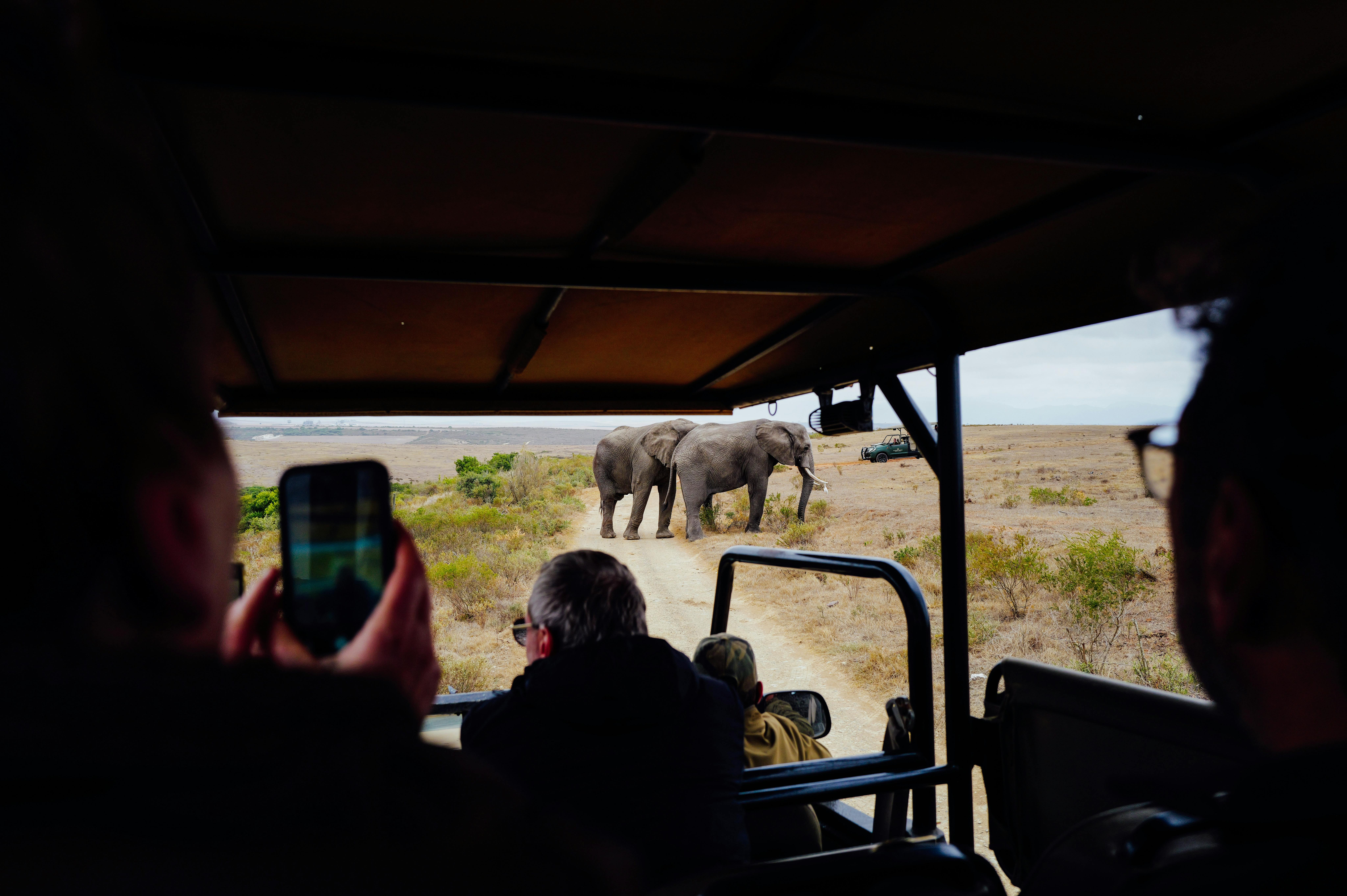
Discover the future of wildlife travel in 2026 with regenerative tourism. Learn how to book ethical encounters, support conservation, and ensure your adventure leaves a positive impact. Compare top eco-friendly safaris, marine tours, and community-led experiences designed for the responsible traveler seeking genuine wildlife encounters and sustainable adventures.
Introduction to the Topic
Welcome to 2026, where the world of travel has evolved, and the discerning adventurer seeks more than just a fleeting photo opportunity. Today, the hottest trend in wildlife tourism isn't just about 'seeing' animals; it's about 'saving' them. We're talking about Regenerative Wildlife Tourism – a powerful movement that goes beyond mere sustainability, aiming to actively restore and enhance the environments and communities it touches. If you've ever felt a pang of guilt wondering about your impact on fragile ecosystems or desired a deeper connection with the wild, this is your definitive guide to experiencing incredible wildlife while leaving a truly positive legacy.
Forget the outdated notion of passive observation. Regenerative tourism invites you to become an active participant in conservation, supporting local economies, and directly contributing to the well-being of endangered species and their habitats. This isn't just good for the planet; it's incredibly rewarding for the traveler. As global awareness of climate change and biodiversity loss intensifies, travelers are demanding more, and the industry is responding with innovative, impactful experiences. Join us as we explore how to unlock these transformative adventures and make your next wildlife journey a force for good.
Backgrounds & Facts
For decades, traditional wildlife tourism, while offering incredible experiences, often inadvertently contributed to habitat degradation, wildlife disturbance, and economic leakage from local communities. The surge in demand for 'bucket list' encounters – from swimming with dolphins to riding elephants – led to unethical practices that prioritized profit over animal welfare and ecosystem health. The unfortunate reality is that many operations, even those claiming to be 'eco-friendly,' merely minimized harm rather than actively creating positive change.
However, the landscape has dramatically shifted. By 2026, travelers are savvier, more informed, and increasingly prioritize ethical considerations. Research indicates a significant rise in demand for ethical wildlife tours and sustainable safari bookings. Organizations like the Global Sustainable Tourism Council (GSTC) have elevated their certification standards, making it easier for consumers to identify genuinely responsible operators. The concept of regenerative travel emerged from this growing awareness, pushing the boundaries from 'do no harm' to 'do good.' It emphasizes a holistic approach where every aspect of the trip – from accommodation and transportation to activities and community engagement – is designed to leave the destination in a better state than it was found.
This means investing directly in anti-poaching units, participating in reforestation projects, funding local education initiatives, and ensuring that indigenous communities are the primary beneficiaries of tourism revenue. The focus is on long-term ecological and social resilience, recognizing that healthy ecosystems and thriving communities are intrinsically linked. Choosing regenerative wildlife tourism isn't just a trend; it's a critical investment in our planet's future and a testament to the power of responsible travel choices.
Expert Opinion / Analysis
"The transition to regenerative models is no longer optional; it's imperative for the survival of both wildlife and the tourism industry," states Dr. Anya Sharma, a leading conservation biologist and founder of WildFutures Global, a consultancy dedicated to promoting ethical wildlife tourism. "For years, we spoke of sustainability as simply reducing negative impact. Now, in 2026, we understand that we must actively repair, restore, and rebuild. Travelers hold immense power, and their dollars are the most potent tools for change."
Dr. Sharma emphasizes that the key to truly regenerative experiences lies in transparency and direct impact. "Look for operators who can clearly articulate how your money is being used. Are they funding local rangers? Contributing to habitat restoration? Employing and empowering local communities? Are their animal welfare standards beyond reproach?" She advises travelers to scrutinize certifications, read reviews from organizations like the World Animal Protection, and ask direct questions before booking. "A truly regenerative tour will involve you, the traveler, in its mission. You might participate in citizen science projects, help monitor wildlife, or engage directly with community-led conservation efforts. This creates a much deeper, more meaningful connection than simply observing from a distance."
Furthermore, Dr. Sharma highlights the economic benefits for local communities. "When tourism revenue stays within the community, it creates an incentive for local populations to protect their natural resources. They become stewards of the land and its wildlife, understanding that their livelihoods depend on a healthy ecosystem. This is the essence of regenerative tourism – a symbiotic relationship where travelers, communities, and wildlife all thrive."
💰 Best Options in Comparison (VERY IMPORTANT)
Ready to make a real difference? Here are some of the leading regenerative wildlife tourism options trending in 2026, offering unparalleled experiences that contribute directly to conservation and community empowerment. When comparing, remember to look for tours that offer genuine engagement, transparent funding, and strong local partnerships.
- High-Impact Terrestrial Conservation Safaris (e.g., Africa & Asia): These aren't your typical game drives. Operators partner directly with anti-poaching units, wildlife research teams, and community development projects. You might participate in rhino tracking for monitoring, assist conservation vets, or engage in habitat restoration in protected areas. These experiences often involve staying in eco-lodges that are entirely powered by renewables and employ local staff.
- Marine Eco-Adventures & Ocean Regeneration (e.g., Coral Triangle & Great Barrier Reef): Dive deep into marine conservation. Beyond responsible snorkeling or diving with marine life, these tours involve participation in coral reef restoration projects, marine debris clean-ups, or assisting researchers with whale and dolphin identification. You'll learn firsthand about ocean ecosystems and contribute to their recovery, often staying on eco-friendly liveaboards or island resorts committed to marine protection.
- Community-Led Indigenous Wildlife Tracking (e.g., Amazon, Borneo, Canadian Arctic): Experience wildlife through the eyes of indigenous communities who have lived in harmony with nature for centuries. These immersive tours focus on respectful cultural exchange, traditional tracking techniques, and direct support for indigenous-led conservation initiatives. You might track jaguars with local guides, learn about traditional plant medicine, or participate in forest monitoring, ensuring that the benefits flow directly to the custodians of the land.
To help you choose, here's a comparison of these impactful options:
| Type of Experience | Key Conservation Focus | Traveler Involvement | Typical Cost Range (USD) | Best For | Recommended Regions/Operators (Examples) |
|---|---|---|---|---|---|
| High-Impact Terrestrial Conservation Safaris | Anti-poaching, habitat restoration, species monitoring (e.g., rhinos, elephants, big cats) | Participating in patrols, data collection, vet assistance, community projects | $4,000 - $15,000+ (per week) | Adventure seekers, aspiring conservationists, wildlife photographers | Southern Africa (e.g., "Conservation Travel Africa" partners), India (tiger reserves) |
| Marine Eco-Adventures & Ocean Regeneration | Coral reef restoration, marine debris removal, whale/dolphin research, shark protection | Underwater surveys, coral planting, data logging, citizen science dives | $2,500 - $8,000+ (per week) | Divers, snorkelers, marine biology enthusiasts, families | Indonesia (Raja Ampat), Belize, Australia (Great Barrier Reef, e.g., "Reef Restoration Foundation" tours) |
| Community-Led Indigenous Wildlife Tracking | Cultural preservation, traditional ecological knowledge, forest/habitat protection, direct community benefit | Learning tracking skills, cultural exchange, sustainable resource management, local patrols | $1,500 - $6,000+ (per week) | Cultural immersionists, slow travelers, ethical adventurers, those seeking deep connection | Amazon Rainforest (Ecuador, Peru), Borneo (Sarawak), Canadian Arctic (Inuit communities) |
Outlook & Trends
The future of regenerative wildlife tourism in 2026 and beyond looks incredibly promising, driven by technological advancements and an even stronger commitment from both travelers and the industry. We can expect to see:
- Hyper-Personalized Regenerative Itineraries: AI-powered platforms will match travelers with specific conservation projects based on their skills, interests, and desired impact, creating truly bespoke experiences.
- Advanced Citizen Science Integration: Expect more sophisticated apps and wearable tech that allow travelers to collect and upload valuable data on wildlife sightings, habitat health, and environmental changes, feeding directly into global research databases.
- Virtual Reality (VR) Pre-Trip Immersion: Before you even leave, VR experiences will provide ethical briefings and introductions to the communities and wildlife you'll encounter, enhancing understanding and preparation.
- Carbon Negative Travel Solutions: While offsetting is good, expect to see more operators offering 'carbon negative' packages, where your trip actively removes more carbon from the atmosphere than it produces, through innovative reforestation and direct air capture projects.
- Stricter Global Regulations & Certifications: Governments and international bodies will continue to tighten regulations on animal welfare and environmental impact, making it harder for unethical operators to thrive.
- Growth of 'Rewilding' Tourism: Opportunities to participate in projects that reintroduce native species and restore vast wilderness areas will become more prevalent, offering truly impactful experiences in regenerated landscapes.
These trends signify a powerful shift towards a future where travel isn't just about discovery, but about active participation in healing our planet. The industry is evolving, and the opportunities for meaningful engagement are only growing.
Conclusion
As we navigate 2026, the choice for the conscious traveler is clear: embrace regenerative wildlife tourism. It's an invitation to embark on adventures that are not only breathtaking but also deeply meaningful, leaving a lasting positive impact on the planet and its inhabitants. By choosing ethical tour operators, engaging with local communities, and actively participating in conservation efforts, you become a vital part of the solution. Your next wildlife encounter can be more than just a memory; it can be a contribution to a healthier, more vibrant world. Explore our recommended options, compare the incredible opportunities, and book your next regenerative wildlife tour today. Let your journey be a testament to the power of responsible travel, proving that adventure and conservation can, and must, go hand in hand.