
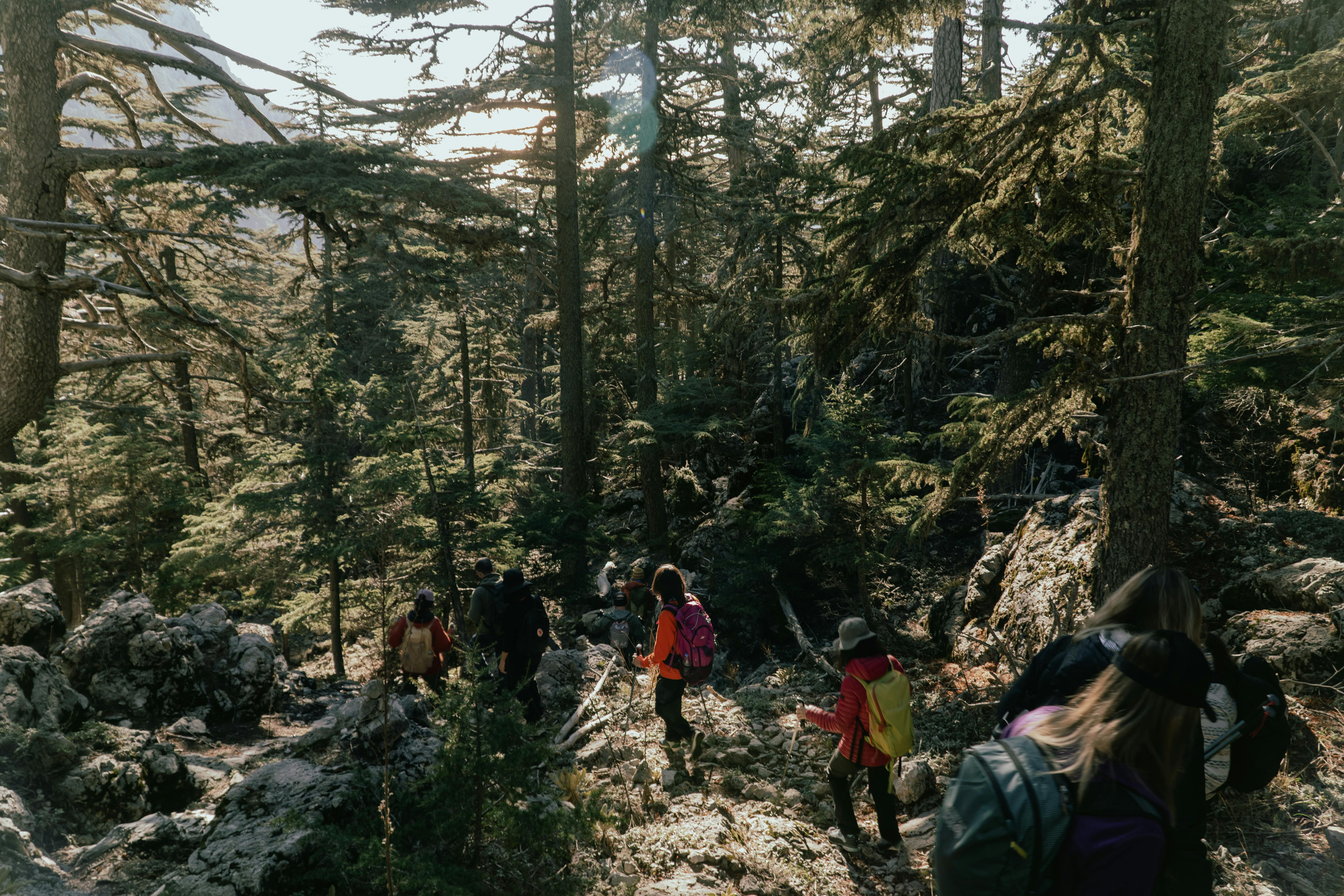
Planning your 2026 adventure? Discover the unparalleled freedom and breathtaking beauty of European hut-to-hut trekking. This comprehensive guide explores why these sustainable, community-focused journeys are exploding in popularity, from the iconic Dolomites to the majestic Mont Blanc. Learn how to choose between self-guided independence and expert-led tours, compare essential gear, and book your dream alpine experience responsibly, maximizing your adventure and minimizing your environmental footprint.
Introduction to the Topic
As the world races towards 2026, a profound shift is redefining adventure travel. Gone are the days when 'roughing it' meant lugging a heavy tent and cooking gear up every incline. Today, a more refined, yet equally exhilarating, form of wilderness immersion is soaring in popularity: hut-to-hut trekking. Imagine traversing some of Europe's most spectacular mountain ranges – the jagged peaks of the Dolomites, the glacial majesty of the Mont Blanc massif, or the pristine valleys of the Austrian Alps – with nothing but a light daypack, knowing a warm meal, a comfortable bed, and a vibrant community await you at day's end. This isn't just a trend; it's a revolution in sustainable, accessible adventure, offering unparalleled immersion in nature without sacrificing comfort. For eco-conscious travelers seeking an authentic connection with the mountains, hut-to-hut trekking in 2026 represents the pinnacle of responsible exploration. But with so many options, how do you navigate the booking maze, choose the right gear, and ensure your adventure truly aligns with 'Leave No Trace' principles? Join us as we unpack everything you need to know to plan your unforgettable alpine journey.
Backgrounds & Facts
The concept of mountain huts, or 'refuges' as they're often called, dates back centuries, rooted in the necessity for shelter for shepherds, hunters, and early mountaineers. Today, these strategically placed havens, often run by local alpine clubs, serve as vital waypoints for trekkers, offering not just shelter but also food, camaraderie, and essential services. Europe, particularly the Alps, boasts the most extensive and well-developed network of these huts, making it the global epicenter for hut-to-hut trekking. Routes like the iconic Tour du Mont Blanc, circumnavigating Western Europe's highest peak across France, Italy, and Switzerland, or the stunning Alta Via 1 in Italy's Dolomites, are prime examples of multi-day treks that link these charming mountain shelters.
What makes this form of trekking so appealing? Firstly, the significantly lighter pack. Without a tent, sleeping bag, and cooking equipment, trekkers can focus on carrying essentials, reducing strain and increasing enjoyment. Secondly, the cultural experience is unique. Huts foster a strong sense of community, where hikers from all walks of life share stories, meals, and the sheer joy of the mountains. Many huts offer traditional regional cuisine, adding a gastronomic dimension to the adventure. Thirdly, safety. Huts often serve as crucial emergency points and provide up-to-date weather information, a critical factor in unpredictable alpine environments.
However, the growing popularity also brings responsibilities. The fundamental 'Leave No Trace' principles are paramount: plan ahead and prepare, travel and camp on durable surfaces, dispose of waste properly, leave what you find, minimize campfire impacts (though fires are rare at huts), respect wildlife, and be considerate of other visitors. Understanding hut etiquette – packing out all trash, being mindful of noise, and respecting quiet hours – is crucial for preserving these precious alpine environments and the experience for everyone. In 2026, with more people seeking these authentic experiences, the collective effort to maintain the pristine beauty of the mountains is more vital than ever.
Expert Opinion / Analysis
Dr. Anya Sharma, a leading expert in sustainable tourism and alpine ecosystems, emphasizes the dual nature of hut-to-hut trekking's rising trend. 'On one hand,' she explains, 'it democratizes access to high-alpine environments, allowing more people to experience the profound beauty and challenge of the mountains without needing extensive wilderness survival skills. This can foster a greater appreciation for nature and, hopefully, a stronger commitment to its preservation.' Dr. Sharma notes that the structured nature of hut trails and the concentration of trekkers around established facilities can, paradoxically, help protect more sensitive, off-trail areas from human impact.
'However,' she cautions, 'the sheer volume of trekkers, especially on popular routes, puts immense pressure on fragile ecosystems, water resources, and waste management systems within the huts. The key for 2026 and beyond is responsible management and conscious traveler choices.' She highlights the increasing role of technology in both enhancing the experience and mitigating impact. 'AI-powered route optimization tools can help distribute traffic, while advanced booking systems ensure huts aren't overbooked, preventing overcrowding. Moreover, the focus on lightweight, durable, and ethically produced gear is growing, with consumers actively seeking brands committed to sustainability.'
Sharma also points to the growing market for guided tours that prioritize ecological education and local community engagement. 'Reputable operators are no longer just selling a trek; they're selling an immersive, educational experience that teaches participants about the local flora, fauna, geology, and cultural heritage, all while adhering to strict environmental protocols. This shift from mere tourism to 'transformative travel' is crucial for the long-term viability of these iconic routes.' She advises prospective trekkers to scrutinize the sustainability policies of any tour operator or even the huts themselves when planning their journey, looking for certifications or clear commitments to eco-friendly practices.
💰 Best Options in Comparison (VERY IMPORTANT)
Embarking on a hut-to-hut adventure in 2026 offers flexibility to suit every budget, skill level, and desired level of independence. The primary decision revolves around whether to go self-guided or opt for a guided tour. Both have distinct advantages and cater to different types of adventurers, and increasingly, hybrid options are emerging to bridge the gap.
1. Self-Guided Hut-to-Hut Treks: The Independent Explorer's Choice
For those who cherish autonomy, possess strong navigation skills, and enjoy meticulous planning, a self-guided trek offers unparalleled freedom. You dictate your pace, choose your exact route variations, and manage your budget directly. This option is often more cost-effective, as you only pay for hut accommodation, food, and transport, avoiding operator fees.
- Pros: Maximum flexibility, often more budget-friendly, immense sense of accomplishment, ability to customize every detail.
- Cons: Requires significant pre-trip planning (route research, hut booking, logistics), strong navigation skills, self-reliance in emergencies, potential language barriers.
- Best For: Experienced hikers, budget-conscious travelers, those who enjoy detailed planning.
- Key Considerations: Early hut booking (especially for popular routes like TMB or Alta Via 1, often 6-12 months in advance), reliable navigation tools (GPS device, offline maps like Komoot or AllTrails Pro, physical map & compass), understanding local regulations.
2. Guided Hut-to-Hut Treks: The Supported Adventure
If you prefer to let experts handle the logistics, navigation, and safety, a guided tour is an excellent choice. Reputable adventure travel companies offer all-inclusive packages that cover hut bookings, meals, professional mountain guides, and sometimes even luggage transfers between certain points. Guides provide invaluable local knowledge, enhance safety, and often enrich the experience with cultural and ecological insights.
- Pros: All logistics handled, enhanced safety with a certified guide, expert navigation, cultural insights, guaranteed hut availability, camaraderie with a group.
- Cons: Higher cost, less flexibility in pace and route, group dynamics might not suit everyone.
- Best For: First-time hut trekkers, those seeking peace of mind, travelers who prefer a social experience, those less confident in navigation or emergency preparedness.
- Key Considerations: Researching operator's sustainability policies, guide certifications (e.g., IFMGA), group size, and itinerary flexibility.
3. Hybrid/Self-Guided Supported Treks: The Best of Both Worlds
A growing number of companies offer "self-guided supported" packages. Here, the operator handles hut bookings, luggage transfers, and provides detailed route notes and maps, but you hike independently. This offers a middle ground, combining the freedom of self-guidance with the convenience of pre-arranged logistics.
Booking Your 2026 Adventure:
- Hut Reservations: For self-guided trips, directly contact huts via their websites or the local alpine club (e.g., DAV, ÖAV, CAI). Popular huts fill up quickly, so book well in advance. Many require a deposit.
- Tour Operators: For guided or supported trips, explore reputable companies known for their eco-friendly practices. Look for operators like Macs Adventure, Exodus Travels, Adventure Centre, or local specialists in regions like the Dolomites (e.g., Dolomite Mountains srl) or Mont Blanc (e.g., Mont Blanc Treks). Always check reviews and their commitment to sustainable tourism.
Essential Gear & Eco-Friendly Choices:
Regardless of your chosen option, smart packing is crucial. Focus on lightweight, multi-functional, and durable items.
- Backpack: 30-45L capacity for hut-to-hut is ideal (e.g., Osprey Talon/Tempest, Deuter Futura).
- Footwear: Sturdy, broken-in hiking boots with good ankle support (e.g., La Sportiva, Salomon, Merrell).
- Clothing: Layering system is key. Merino wool base layers (Smartwool, Icebreaker), quick-drying mid-layers, waterproof and windproof outer shell (Patagonia, Arc'teryx, Mammut – look for PFC-free DWR).
- Navigation: GPS watch (Garmin Fenix series), dedicated GPS device (Garmin inReach Mini for satellite communication), offline map apps, physical map & compass.
- Safety: First-aid kit, headlamp, emergency blanket, whistle.
- Hut Essentials: Sleeping bag liner (mandatory in most huts), earplugs, lightweight towel, toiletries (biodegradable soap), cash (many huts are cash-only).
- Hydration: Water bottle or hydration reservoir (e.g., Nalgene, Camelbak), water filter/purifier for refilling from streams (Katadyn BeFree, Sawyer Squeeze).
Here's a comparison to help you decide:
| Feature | Self-Guided Trek | Guided Trek (Tour Operator) |
|---|---|---|
| Cost | Lower (Huts, food, transport only) | Higher (Includes guide, all logistics, often meals) |
| Planning Effort | High (Route, huts, logistics, maps) | Minimal (Operator handles everything) |
| Navigation | Your responsibility (GPS, map & compass) | Handled by certified mountain guide |
| Safety | Your responsibility (Emergency preparedness) | Enhanced by guide's expertise & support |
| Flexibility | High (Pace, breaks, route variations) | Limited (Fixed itinerary, group pace) |
| Group Size | As small as you wish (solo to small group) | Typically 6-12 people |
| Eco-Impact Potential | Variable (Depends on individual practices) | Often guided by operator's sustainability policy |
| Recommended Routes (Examples) | Tour du Mont Blanc (with research), Alta Via 1 (Dolomites), Stubai High Trail (Austria) | Tour du Mont Blanc, Alta Via 2 (Dolomites), Bernese Oberland Traverse (Switzerland) |
Outlook & Trends
Looking ahead to 2026 and beyond, the hut-to-hut trekking landscape is set to evolve further. Expect to see an increased emphasis on 'hyper-personalized' itineraries, fueled by AI-driven planning platforms that can suggest routes based on fitness levels, interests (e.g., photography, geology), and even dietary preferences, while dynamically adjusting for weather and hut availability. The integration of advanced wearable tech will go beyond basic fitness tracking, offering real-time environmental data, localized alerts for wildlife or trail conditions, and enhanced emergency communication capabilities.
Sustainability will transition from a niche concern to a standard expectation. Trekkers will increasingly demand transparency from hut operators and tour companies regarding their energy consumption, waste management, and local community engagement. We'll likely see more huts adopting renewable energy sources, implementing advanced composting systems, and sourcing food locally. Furthermore, the 'digital detox' trend will find a strong home in the mountains, with travelers actively seeking routes and huts that encourage disconnecting from screens and reconnecting with nature and fellow adventurers. New regions, currently less trodden, may also emerge as hut networks expand, offering even more diverse and unique experiences for the discerning eco-traveler.
Conclusion
Hut-to-hut trekking in Europe for 2026 offers an unparalleled blend of adventure, cultural immersion, and breathtaking natural beauty. Whether you choose the independent challenge of a self-guided journey or the supportive comfort of a guided tour, the mountains await with experiences that promise to rejuvenate your spirit and challenge your limits. By making informed choices about your booking, packing mindfully with eco-friendly gear, and committing to 'Leave No Trace' principles, you can ensure your alpine adventure is not only unforgettable for you but also sustainable for the pristine environments you traverse. So, stop dreaming and start planning. Your next great eco-adventure is just a few clicks away. Embrace the views, the camaraderie, and the pure joy of the mountains – responsibly. Which European peak will you conquer next?