
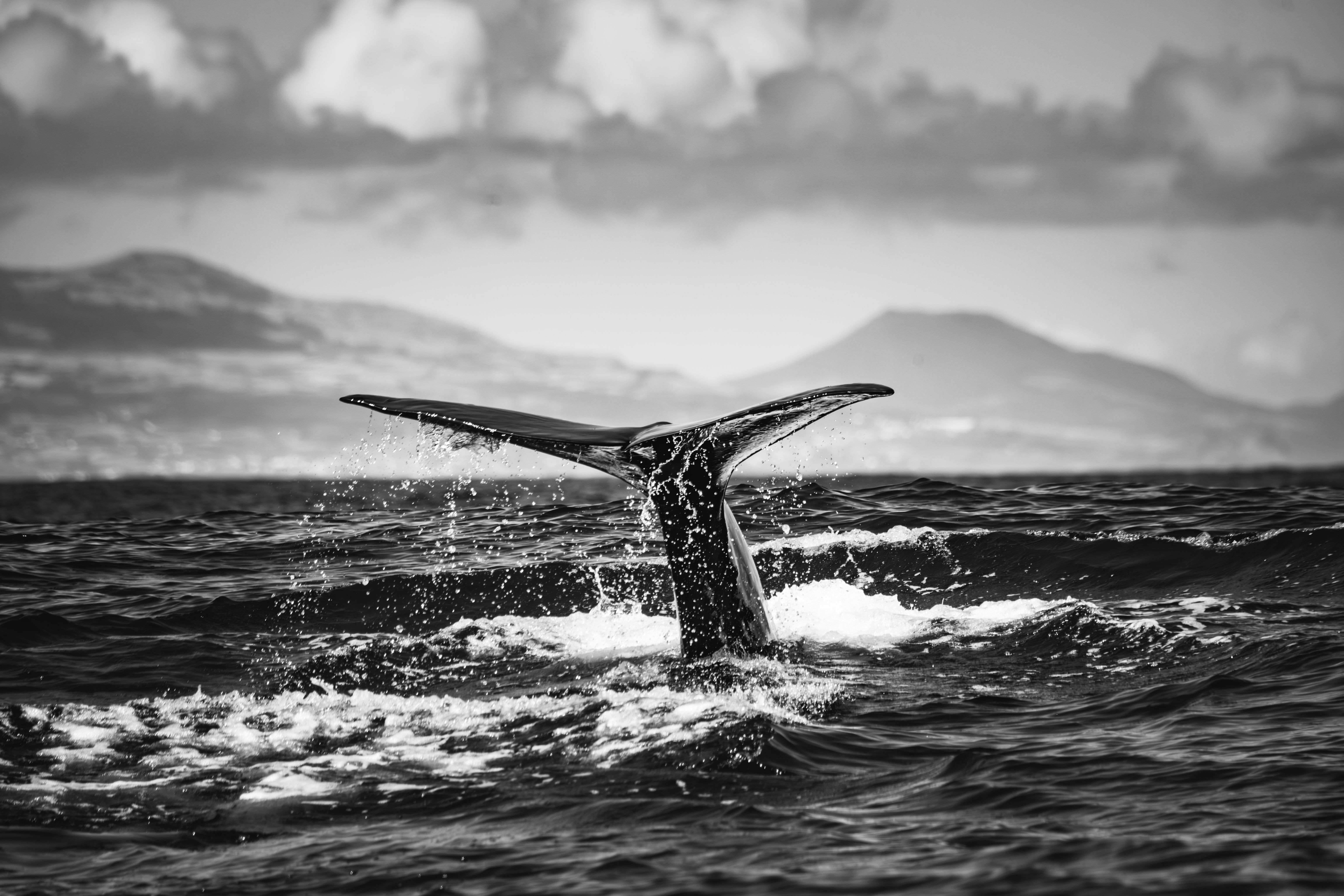
Discover how your next adventure can actively heal the ocean. Explore 2026's top sustainable marine tourism, eco-diving, and marine conservation volunteer opportunities. Learn to book ethical wildlife encounters and support vital reef restoration, transforming your travel into powerful ocean action and maximizing your impact.
Introduction to the Topic
The call of the ocean is undeniable – a vast, mysterious realm teeming with life, offering solace and adventure in equal measure. Yet, beneath its shimmering surface, a silent crisis unfolds. Plastic pollution chokes marine life, climate change bleaches vibrant coral reefs, and overfishing depletes precious ecosystems. For years, the conscientious traveler has sought ways to minimize their footprint. But in 2026, the paradigm has shifted. We're no longer just talking about 'eco-friendly' travel; we're embracing 'regenerative' travel – experiences designed not just to protect, but to actively heal and restore our planet's most vital resource: the ocean.
Welcome to the era of impactful ocean conservation travel. At ecofriendlytravelguides.com, we believe your passion for exploration can be a powerful force for good. This comprehensive guide will navigate the trending landscape of marine conservation tourism, showing you how to book transformative trips that support vital research, protect endangered species, and empower local communities. From eco-certified diving excursions to hands-on marine conservation volunteer programs, discover how your next vacation can be a direct investment in the health of our blue planet, generating maximum positive impact and unforgettable memories.
Backgrounds & Facts
The urgency for ocean conservation has never been greater. Scientific reports in 2026 continue to highlight alarming trends: an estimated 11 million metric tons of plastic enter our oceans annually, threatening over 800 marine species. Coral reefs, critical biodiversity hotspots, face unprecedented bleaching events, with projections indicating a loss of 70-90% of existing reefs within the next two decades if current trends continue. Ocean acidification, a direct consequence of increased CO2 absorption, further jeopardizes marine life, particularly shellfish and coral.
However, amidst these challenges, a powerful movement is gaining momentum. The 'Blue Economy' – sustainable use of ocean resources for economic growth, improved livelihoods, and ocean ecosystem health – is projected to exceed $3 trillion globally by 2030. Within this, sustainable marine tourism is a rapidly expanding sector. Travelers are increasingly demanding transparency, ethical practices, and tangible impact from their travel providers. A recent survey indicated that over 70% of travelers are willing to pay more for sustainable options, and 60% actively seek out experiences that contribute positively to local environments and communities.
This shift has spurred innovation, from AI-powered coral monitoring systems to blockchain-verified sustainable seafood supply chains. The concept of 'net positive' travel, where your journey leaves a destination better than you found it, is no longer a niche aspiration but a growing expectation. Travelers are becoming citizen scientists, volunteers, and direct benefactors, turning their vacations into vital contributions to global conservation efforts. The choices you make when booking your next ocean adventure directly influence the future of marine ecosystems and the livelihoods of coastal communities worldwide.
Expert Opinion / Analysis
“The transformative power of responsible marine tourism in 2026 cannot be overstated,” states Dr. Anya Sharma, a leading marine biologist and founder of the Global Reef Alliance. “When travelers engage with conservation efforts, whether through citizen science diving or supporting eco-certified operators, they become advocates. Their financial contributions directly fund research, restoration projects, and local education initiatives. We’re seeing a significant uptick in data collected by tourist-divers, which provides crucial insights for our conservation strategies.”
Echoing this sentiment, Maya Singh, a sustainable travel industry analyst for 'Future Journeys Consulting', notes, “The market for ocean conservation travel is maturing rapidly. Consumers aren't just looking for a 'green' label; they're demanding verifiable impact and authentic experiences. Operators who integrate genuine conservation programs, prioritize local employment, and utilize cutting-edge sustainable practices – from renewable energy resorts to plastic-free expeditions – are seeing exponential growth. The trend is moving towards immersive, educational journeys that offer a deeper connection to the environment and a clear pathway for personal contribution.”
Our analysis at ecofriendlytravelguides.com confirms that the integration of technology, particularly AI and robust data analytics, is revolutionizing how conservation travel is delivered and measured. AI platforms are now used to identify optimal locations for reef restoration, track marine animal migrations, and even personalize volunteer placements based on traveler skills and project needs. This data-driven approach ensures that every dollar spent by a conscious traveler is directed towards maximum ecological impact, making your booking decision more powerful than ever before.
💰 Best Options in Comparison (VERY IMPORTANT)
Ready to turn your wanderlust into ocean-healing action? Here are some of the best options for sustainable marine tourism and conservation experiences in 2026, designed to maximize your impact and provide unforgettable adventures. Remember, when you book through these channels, you're directly supporting organizations dedicated to protecting our blue planet.
- Eco-Certified Dive & Snorkel Operators: Look for operators certified by organizations like PADI Green Star Dive Centers, Green Fins, or local eco-tourism boards. These operators adhere to strict environmental guidelines, educate divers on responsible practices, and often contribute directly to local conservation projects. They prioritize reef protection, responsible waste management, and marine education.
- Marine Conservation Volunteer Programs: Engage directly with vital conservation work. Reputable organizations offer opportunities ranging from coral reef monitoring and restoration to sea turtle rescue, beach cleanups, and marine mammal research. These programs often include accommodation, meals, and expert guidance, providing an immersive, hands-on experience.
- Sustainable Whale & Dolphin Watching Tours: Choose operators committed to ethical wildlife viewing. These tours follow strict guidelines to minimize disturbance to marine animals, maintain safe distances, and often contribute a portion of their proceeds to scientific research and conservation efforts. They prioritize education and responsible interaction over commercial exploitation.
- Eco-Resorts & Liveaboards with Conservation Initiatives: Select accommodations that are actively involved in marine conservation. Many resorts and liveaboards run their own reef restoration projects, employ marine biologists, use renewable energy, practice advanced waste and water management, and support local communities through fair employment and sourcing.
- Ocean Conservation Expeditions & Citizen Science Cruises: For those seeking a deeper dive, specialized expeditions offer opportunities to join research teams, participate in data collection, and learn from leading marine scientists. These trips often explore remote areas and focus on critical conservation issues like plastic pollution or biodiversity mapping.
To help you choose, here's a comparison of key features:
| Option Type | Key Certifications / Affiliations | Typical Cost Range (per week/trip) | Direct Conservation Impact | Best For |
|---|---|---|---|---|
| Eco-Certified Dive Operators | PADI Green Star, Green Fins, local eco-certifications | $500 - $2,500+ | Reef protection, marine education, responsible diving practices, data collection | Divers (all levels), snorkelers, marine enthusiasts |
| Marine Conservation Volunteer Programs | WWOOF, GVI, reputable NGOs (e.g., Sea Turtle Conservancy) | $800 - $3,000+ | Hands-on research, habitat restoration, species protection, community engagement | Engaged travelers, students, gap year, budget-conscious (if food/lodging included) |
| Sustainable Whale & Dolphin Watching | World Cetacean Alliance (WCA) Responsible Whale Watching, local ethical guidelines | $50 - $300 (per excursion) | Minimizing disturbance, funding research, public education | Families, wildlife photographers, nature lovers |
| Eco-Resorts & Conservation Liveaboards | Green Globe, LEED Certified, local eco-resort associations | $1,500 - $7,000+ | Habitat protection, renewable energy, local employment, waste reduction, funding projects | Luxury travelers, couples, those seeking comfort with purpose |
| Ocean Conservation Expeditions | Partnerships with universities, research institutions (e.g., National Geographic Expeditions) | $3,000 - $10,000+ | Direct research contribution, data collection, scientific discovery, policy influence | Serious citizen scientists, academics, adventure seekers |
Outlook & Trends
The future of ocean conservation travel in 2026 and beyond looks incredibly promising, driven by technological advancements, evolving consumer demand, and stronger global collaborations. Here are some key trends:
- Hyper-Personalized Impact Journeys: AI and big data will increasingly match travelers with conservation projects based on their skills, interests, and desired impact, ensuring a more meaningful and effective contribution. Imagine an algorithm suggesting a reef restoration project in Fiji because your diving certification and interest in marine biology align perfectly with their needs.
- Blockchain for Transparency: Expect to see blockchain technology used to verify the impact of your travel dollars. From tracking donations to ensuring ethical supply chains for eco-resort products, blockchain will provide unprecedented transparency, building trust and accountability in the conservation tourism sector.
- Carbon-Neutral & Regenerative Certifications: Beyond just offsetting, new certifications will emerge for travel experiences that are genuinely carbon-negative or actively regenerative, meaning they sequester more carbon or restore more ecosystems than they impact. This will become a significant differentiator for premium eco-travel offerings.
- Virtual & Augmented Reality Pre-Trip Education: Before you even leave home, VR/AR experiences will allow you to virtually explore the ecosystems you're about to visit, learn about endangered species, and understand the conservation challenges firsthand. This pre-trip immersion will enhance engagement and maximize the educational impact of your journey.
- Integrated 'Blue Economy' Clusters: Expect to see more destinations developing integrated 'Blue Economy' models where sustainable tourism, aquaculture, renewable energy, and marine research are all interlinked, creating holistic conservation-driven economies that directly benefit local communities and the environment.
These trends indicate a future where travel is not just about seeing the world, but actively participating in its healing, making every booking a powerful statement of intent for a healthier planet.
Conclusion
The ocean is a source of wonder, life, and adventure, and it needs our help now more than ever. In 2026, the opportunity to combine your love for travel with a profound commitment to marine conservation has never been more accessible or impactful. By choosing sustainable marine tourism, from eco-certified dive trips to hands-on volunteer programs, you're not just booking a vacation; you're investing in the future of our planet's most vital ecosystem.
Every dollar spent with responsible operators, every hour volunteered, and every conscious decision made contributes to a growing wave of positive change. Be a part of the solution. Explore the options, compare the impact, and book your next ocean-healing adventure today. Your journey truly can make a world of difference, ensuring that the magic of the ocean endures for generations to come. Start planning your purposeful escape at ecofriendlytravelguides.com and become an ocean champion!