
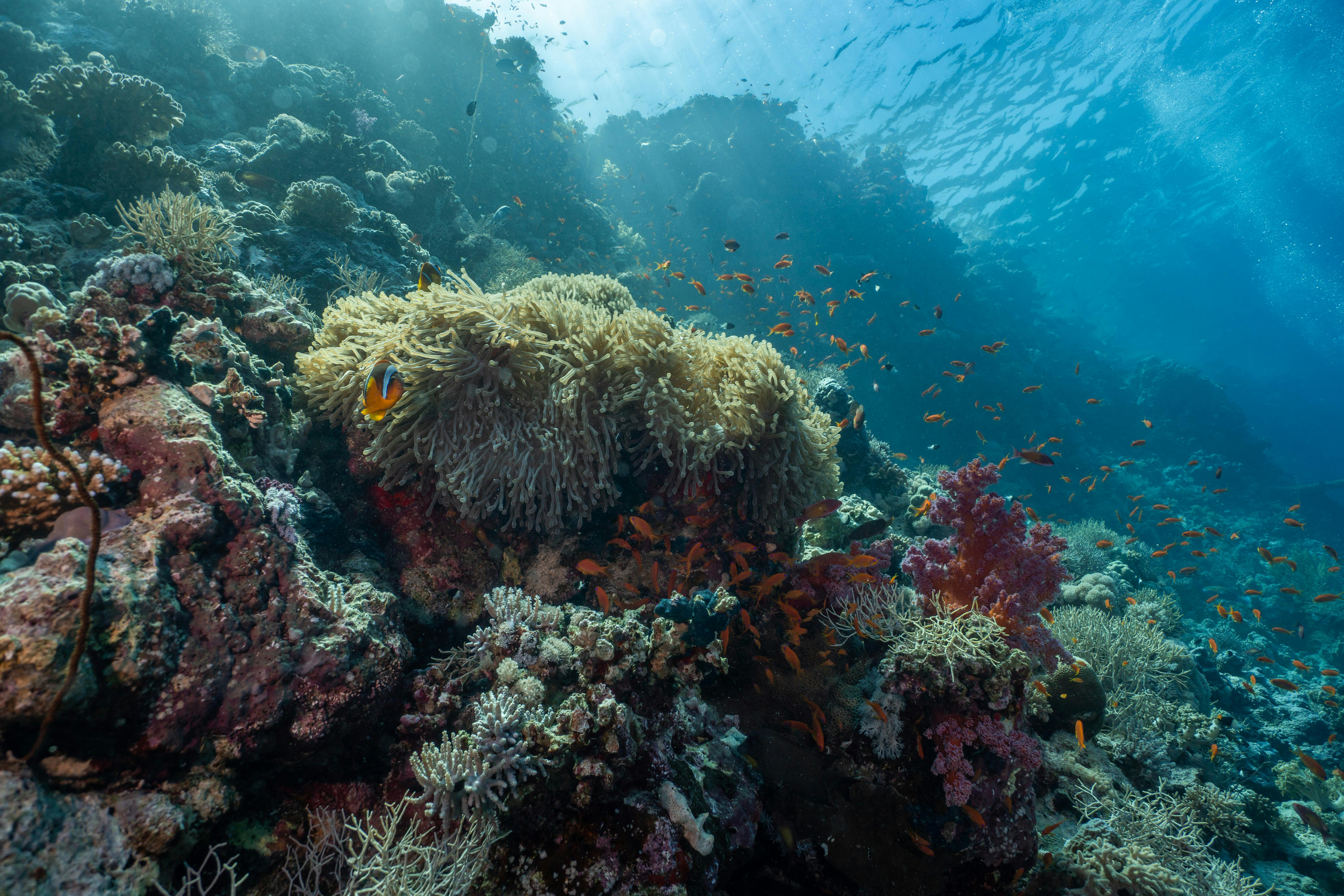
The urgent crisis facing our coral reefs demands action, and in 2026, eco-conscious travelers are finding powerful ways to contribute. Discover how sustainable travel, volunteer programs, and responsible diving can help restore these vital underwater ecosystems. This guide compares the best coral restoration trips and packages, offering options for every budget and commitment level to help you book your next impactful adventure and invest in the future of our oceans.
Introduction to the Topic
Imagine a world without the vibrant, bustling cities beneath the waves – no kaleidoscope of fish, no intricate structures sheltering countless species, no natural barriers protecting our coastlines. This terrifying vision is becoming a stark reality as our planet's coral reefs face unprecedented threats. For decades, these 'rainforests of the sea' have been silently suffering, victims of climate change, ocean acidification, pollution, and unsustainable fishing practices. But in 2026, a powerful wave of hope is emerging: coral reef restoration travel. This isn't just a vacation; it's an opportunity for conscious travelers to directly engage in saving these critical ecosystems, transforming their leisure into a lasting legacy. As the demand for meaningful, impact-driven experiences grows, booking a coral restoration trip has become one of the most compelling ways to combine your passion for travel with genuine marine conservation efforts. Are you ready to make your next adventure count?
Backgrounds & Facts
The statistics are sobering. Scientists estimate that we've already lost over 50% of the world's coral reefs, and a staggering 90% are projected to be threatened by 2050 if current trends continue. Coral bleaching events, driven by rising ocean temperatures, are becoming more frequent and severe, turning once-vibrant reefs into ghostly white graveyards. Ocean acidification, a direct consequence of increased CO2 absorption, further weakens coral skeletons, making them more vulnerable to disease and storm damage. Beyond their breathtaking beauty, coral reefs provide essential services worth billions annually. They support over 25% of all marine life, act as natural breakwaters, protecting coastlines from erosion and storm surges, and underpin the livelihoods of hundreds of millions of people through fisheries and tourism. The loss of reefs means a catastrophic blow to marine biodiversity, food security, and coastal communities worldwide.
However, the global scientific and conservation community isn't standing idly by. Innovations in coral restoration techniques, coupled with a growing understanding of 'super corals' – those naturally more resilient to heat stress – are offering tangible pathways to recovery. From coral gardening and micro-fragmentation to the deployment of artificial reefs and the cultivation of genetically robust species, these efforts are showing promising results. The challenge now is scaling these solutions and engaging a global community, particularly through sustainable tourism and citizen science initiatives. This is where you, the eco-traveler, come in. By choosing to invest in and participate in coral restoration programs, you're not just witnessing conservation; you're becoming an integral part of the solution, directly contributing to the survival of these irreplaceable underwater wonders.
Expert Opinion / Analysis
Dr. Anya Sharma, a leading marine biologist and founder of the 'Reef Resurgence Alliance,' emphasizes the critical role of citizen science and ethical tourism in scaling restoration efforts. "In 2026, we're seeing a significant shift," Dr. Sharma explains. "It's no longer just about scientists in labs; it's about empowering individuals to become stewards of the ocean. Travelers who participate in coral restoration programs provide invaluable hands-on labor, financial support, and, perhaps most importantly, become lifelong advocates for marine conservation."
According to Dr. Sharma, the most effective programs combine scientific rigor with immersive educational experiences. "Look for organizations that employ proven techniques like 'coral gardening,' where fragments are grown in underwater nurseries before being outplanted onto degraded reefs," she advises. "Micro-fragmentation, which accelerates coral growth, is another cutting-edge method. Furthermore, programs that focus on selecting and propagating heat-resistant coral species are vital for building climate-resilient reefs." She also stresses the importance of responsible diving practices taught within these programs, ensuring participants understand how to interact with fragile marine environments without causing further harm. "The impact isn't just in the corals planted," Dr. Sharma concludes, "it's in the knowledge gained, the awareness spread, and the sustainable economic models created for local communities, providing alternatives to destructive practices." These programs offer not only a chance to contribute but also an unparalleled opportunity for personal growth and a deeper connection to the natural world.
💰 Best Options in Comparison (VERY IMPORTANT)
Choosing the right coral reef restoration trip in 2026 means balancing your budget, desired level of involvement, and travel style. Here are some of the best options available, designed to maximize your impact and provide an unforgettable eco-adventure. Whether you're seeking a luxury escape with a purpose or a hands-on volunteer experience, these programs offer diverse ways to invest in ocean health.
- 1. Luxury Eco-Resort Partnerships (e.g., The Coral Sanctuary Retreat, Maldives): For travelers seeking premium comfort alongside significant impact. These high-end resorts often partner with marine conservation NGOs, offering guests exclusive opportunities to participate in coral propagation, outplanting, and reef monitoring led by resident marine biologists. Packages typically include luxurious accommodation, gourmet dining, guided dives, and dedicated conservation activities. Ideal for those who want a pampered experience while making a substantial donation and direct contribution. Look for resorts certified by reputable eco-labels.
- 2. Dedicated Conservation NGOs & Volunteer Programs (e.g., Reef Guardians International, Fiji & Belize): These programs are for hands-on, committed individuals looking for an immersive experience. Often requiring a minimum stay (1-4 weeks), participants receive training in coral gardening, marine species identification, and data collection. Accommodation is typically more rustic (shared dorms, local guesthouses), focusing on community integration and maximum field time. Excellent for aspiring marine biologists, gap-year students, or anyone wanting a deeply engaging, educational, and impactful experience. Costs usually cover training, accommodation, and food, making it a cost-effective way to volunteer abroad.
- 3. Specialized Dive Tour Operators (e.g., EcoDive Adventures, Australia & Indonesia): Tailored for certified divers who want to combine their passion with purpose. These operators offer specific 'conservation diver' courses, teaching techniques like coral nursery maintenance, reef surveying, and identifying bleaching signs. Trips often include multiple dives focusing on restoration sites, alongside recreational diving. They provide a structured way to gain new skills and contribute during a typical dive vacation. Look for PADI AWARE or similar accredited programs.
- 4. Citizen Science Expeditions (e.g., Ocean Watch Expeditions, Caribbean): Shorter, educational trips (typically 5-10 days) designed for a broader audience, including families. These expeditions focus on data collection, educational workshops, and light hands-on activities like preparing coral fragments or cleaning nursery sites. They offer a great introduction to marine conservation without requiring extensive prior experience or a long-term commitment. Often include accommodation on liveaboards or eco-lodges, providing a blend of learning and adventure.
Here’s a comparison table to help you compare and book the best option for your next eco-friendly travel adventure:
| Option Type | Commitment Level | Hands-on Involvement | Estimated Price Range (per week, 2026 USD) | Ideal For | Key Benefit |
|---|---|---|---|---|---|
| Luxury Eco-Resort Partnerships | Short-term (3-7 days) | Moderate (guided participation) | $2,500 - $10,000+ | High-end travelers, couples, families seeking luxury & impact | Comfort, exclusive access, significant donation impact |
| Dedicated NGO Volunteer Programs | Medium-Long (1-4+ weeks) | High (extensive training & field work) | $700 - $2,000 | Students, gap-year travelers, dedicated conservationists | Deep immersion, skill development, direct labor contribution |
| Specialized Dive Tour Operators | Short-Medium (5-14 days) | High (certified diving & restoration techniques) | $1,000 - $3,500 | Certified divers seeking new skills & purpose | Combines diving passion with accredited conservation training |
| Citizen Science Expeditions | Short-term (5-10 days) | Moderate (educational & observational) | $1,500 - $4,000 | Families, first-time eco-travelers, those seeking education | Accessible learning, broader appeal, direct data contribution |
Outlook & Trends
Looking ahead to 2026 and beyond, the future of coral reef restoration travel is incredibly promising. We anticipate several key trends: technological integration will become even more sophisticated, with AI-powered monitoring systems, drone mapping for reef health assessment, and advanced genetic research identifying and propagating 'super corals' at scale. Travelers might even participate in virtual reality experiences to understand reef ecosystems before their trip, enhancing their educational journey.
The rise of the 'Blue Economy' will further drive demand for sustainable marine investments and experiences. More governments and private sectors will recognize the economic value of healthy reefs, leading to increased funding for restoration projects and better-regulated eco-tourism frameworks. We'll see an expansion of certified eco-resorts and tour operators, making it easier for consumers to identify and book truly responsible options. Furthermore, carbon offsetting programs directly tied to marine ecosystem restoration will become a standard offering, allowing travelers to mitigate their travel footprint while investing in ocean health. The emphasis will shift from simply visiting beautiful places to actively participating in their preservation, cementing coral reef restoration travel as a leading segment in the sustainable tourism market.
Conclusion
The crisis facing our coral reefs is undeniable, but so is the power of collective action. In 2026, choosing a coral reef restoration trip is more than just a vacation; it's a profound statement of your commitment to our planet's future. By carefully selecting a program that aligns with your values and travel style, you directly contribute to the scientific efforts to rebuild these vital ecosystems, support local communities, and gain an unparalleled understanding of marine conservation. Every coral fragment planted, every data point collected, and every responsible booking made helps turn the tide. Don't just witness the beauty of our oceans – become an active participant in their restoration. Explore the options, compare the packages, and book your transformative coral reef restoration trip today. Your investment in the health of our oceans is an investment in the future of our planet, promising breathtaking beauty for generations to come.