
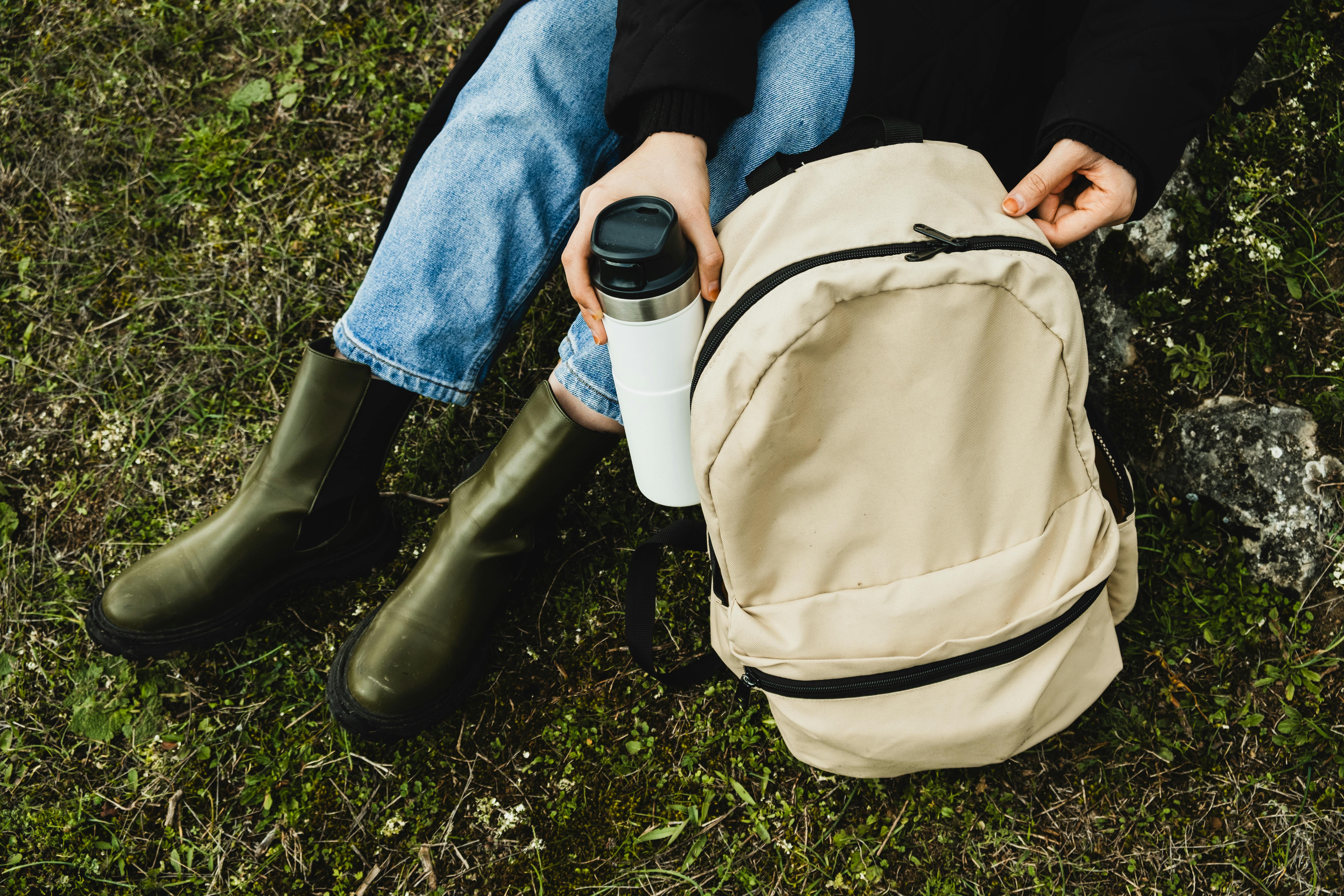
Revolutionize your travel with the latest in sustainable gear. Discover cutting-edge eco-friendly luggage, apparel, and tech accessories designed for the conscious adventurer. This ultimate guide for 2026 helps you compare the best planet-positive products, optimize your packing, and make ethical choices without compromising performance or style. Invest in sustainable travel gear and experience the future of responsible exploration.
Introduction to the Topic
Welcome to 2026, where the call of the wild meets the conscience of the consumer. The world of travel has transformed, and with it, the gear we carry on our adventures. Gone are the days when 'eco-friendly' meant compromising on quality or aesthetics. Today, sustainable gear isn't just a niche; it's the gold standard, a testament to innovation, durability, and a deep respect for our planet. At ecofriendlytravelguides.com, we've witnessed this paradigm shift firsthand, and we're thrilled to guide you through the latest breakthroughs.
This year, the sustainable gear market is booming, driven by a global community of adventurers who demand more than just functionality from their equipment. They demand transparency, ethical manufacturing, and a minimal carbon footprint. From recycled ocean plastic luggage that’s tougher than ever to biodegradable performance fabrics that breathe new life into outdoor apparel, the options are not only eco-conscious but also high-performing, stylish, and built to last. We're talking about gear that not only enhances your journey but also actively contributes to a healthier planet. Get ready to upgrade your travel kit with essentials that embody the spirit of responsible tourism and set the benchmark for future explorations.
Backgrounds & Facts
The journey towards sustainable gear has been a long and challenging one, but in 2026, we're seeing the fruits of decades of research and development. Traditional gear manufacturing has historically been resource-intensive, relying heavily on virgin plastics, chemical treatments, and often, exploitative labor practices. The outdoor industry alone has contributed significantly to textile waste, microplastic pollution, and greenhouse gas emissions.
However, consumer demand for ethical products has spurred a revolution. According to recent industry reports, over 70% of travelers actively seek out sustainable products, a figure that has more than doubled in the last five years. Brands are responding by investing heavily in circular economy models, where products are designed for durability, repairability, and eventual recycling or composting. We're seeing widespread adoption of materials like recycled PET (from plastic bottles), ECONYL (from fishing nets), organic cotton, hemp, and innovative bio-based polymers (e.g., derived from corn or algae). Furthermore, advancements in dyeing processes have drastically reduced water usage and chemical discharge, while PFC-free DWR (Durable Water Repellent) coatings are now standard, eliminating harmful 'forever chemicals' from our waterways.
Certifications like bluesign®, GOTS (Global Organic Textile Standard), Fair Trade Certified, and B Corp have become crucial benchmarks, offering consumers verifiable proof of a product's environmental and social integrity. Brands are also embracing full supply chain transparency, allowing consumers to trace their product's journey from raw material to finished good. This commitment to sustainability isn't just good for the planet; it's proving to be a powerful differentiator in a competitive market, attracting a new generation of conscious consumers ready to invest in better, more ethical products.
Expert Opinion / Analysis
“The shift we’re seeing in sustainable gear isn't just about 'greenwashing'; it’s a fundamental re-evaluation of how we design, produce, and consume,” says Dr. Anya Sharma, a leading materials scientist specializing in bio-polymers and circular design at the Institute for Sustainable Innovation. “In 2026, the focus has moved beyond simply using recycled content to designing for end-of-life, prioritizing repairability, modularity, and even biodegradability. The true innovation lies in creating products that don't just reduce harm but actively contribute to environmental regeneration.”
Dr. Sharma emphasizes that durability is the cornerstone of sustainable gear. “The most eco-friendly product is the one you don't have to replace frequently. Brands are now engineering gear to withstand years of rigorous use, offering robust warranties and readily available spare parts. This 'buy less, buy better' philosophy is crucial for reducing overall consumption and waste.” She also points to the rise of 'digital product passports' as a significant trend, allowing consumers to scan a QR code and access detailed information about a product’s materials, manufacturing process, carbon footprint, and repair instructions. This level of transparency empowers consumers to make truly informed purchasing decisions.
Furthermore, the expert analysis highlights the growing role of smart technologies in sustainability. Integrated sensors in luggage can track its location and even its environmental impact, while AI-driven design processes optimize material usage and minimize waste. The convergence of high-performance materials, ethical manufacturing, and smart technology defines the cutting edge of sustainable gear in 2026, making it an exciting time for eco-conscious travelers to upgrade their kit.
💰 Best Options in Comparison (VERY IMPORTANT)
Navigating the sustainable gear market in 2026 can be overwhelming with so many innovative options. To help you make the best choice for your next adventure, we've curated a list of top-tier products that combine cutting-edge sustainability with unparalleled performance. These are the investments that pay dividends for both your travels and the planet.
-
TerraTrek Voyager 40L Recycled Hardshell Luggage
The TerraTrek Voyager redefines durable, eco-friendly travel. Crafted from 100% post-consumer recycled polycarbonate, this hardshell carry-on is incredibly resilient against impacts and scratches. Its modular design allows for easy repair or replacement of wheels and handles, extending its lifespan significantly. Inside, the lining is made from recycled PET, and it features smart compression straps. Perfect for the frequent flyer who needs reliable, stylish, and planet-friendly luggage that stands the test of time.
-
Veridian Trail Blazer Pro Jacket
Engineered for the demanding outdoor enthusiast, the Veridian Trail Blazer Pro is a marvel of bio-performance apparel. Its outer shell uses a revolutionary bio-based nylon derived from castor beans, offering superior water resistance (PFC-free DWR) and breathability without petrochemicals. The insulation is made from recycled cellulose fibers, and the entire jacket is designed for a closed-loop recycling program at the end of its very long life. Lightweight, packable, and ethically produced, it’s the ultimate investment for sustainable adventurers.
-
SunCycle Nomad Power Hub 20000mAh
Stay charged and connected sustainably with the SunCycle Nomad Power Hub. This high-capacity power bank features integrated, high-efficiency solar panels and a casing made from recycled aluminum and ocean-bound plastics. Its internal battery cells are ethically sourced and designed for maximum longevity, with a user-replaceable module for future upgrades. It also includes multiple USB-C PD and wireless charging outputs, making it an essential companion for digital nomads and off-grid explorers who prioritize renewable energy.
-
AquaPure MicroFilter Pro Bottle
Hydration on the go, without the plastic waste. The AquaPure MicroFilter Pro Bottle features an advanced, long-lasting filter made from sustainably sourced coconut shell carbon and bio-polymers, capable of purifying up to 1500 liters of water. The bottle itself is crafted from durable, BPA-free recycled stainless steel, and its modular design allows for easy cleaning and replacement of components. Say goodbye to single-use plastic bottles and hello to clean, safe drinking water anywhere in the world.
-
Eco-Comfort Trekking Socks (3-Pack)
Don't underestimate the power of sustainable socks! The Eco-Comfort Trekking Socks are made from a blend of organic merino wool (ethically sourced, mulesing-free) and Tencel Lyocell, a fiber derived from sustainably managed forests. This combination offers exceptional moisture-wicking, temperature regulation, and odor resistance. Designed for ultimate comfort and durability on long treks, they are also fully biodegradable at the end of their life cycle, leaving no trace behind. A small but mighty step towards a fully sustainable travel kit.
| Product | Key Sustainable Feature | Material | Certifications/Attributes | Price Range (USD) | Best For |
|---|---|---|---|---|---|
| TerraTrek Voyager 40L | 100% Recycled, Modular Design | Recycled Polycarbonate, Recycled PET lining | Global Recycled Standard (GRS), Repairable | $280 - $350 | Frequent Flyers, Business Travel, Urban Explorers |
| Veridian Trail Blazer Pro Jacket | Bio-based Nylon, Closed-Loop Recycling | Castor Bean Bio-Nylon, Recycled Cellulose | bluesign®, PFC-free DWR, Biodegradable potential | $300 - $450 | Hikers, Climbers, Outdoor Enthusiasts |
| SunCycle Nomad Power Hub | Integrated Solar, Ethically Sourced Cells | Recycled Aluminum, Ocean-bound Plastics | CE, RoHS, User-replaceable battery | $120 - $180 | Digital Nomads, Campers, Off-grid Travel |
| AquaPure MicroFilter Pro Bottle | Zero-Waste Filtration, Recycled Materials | Recycled Stainless Steel, Coconut Carbon Filter | BPA-Free, Modular Design, Long-life filter | $50 - $80 | Backpackers, International Travelers, Daily Use |
| Eco-Comfort Trekking Socks | Biodegradable, Ethically Sourced Wool | Organic Merino Wool, Tencel Lyocell | GOTS, Mulesing-Free, Biodegradable | $25 - $40 (per pair) | Long-Distance Hikers, Everyday Comfort, Cold Weather |
Outlook & Trends
The future of sustainable gear is even more exciting. By 2030, we anticipate a full paradigm shift towards biomimicry – designing products and processes that mimic nature's solutions. Imagine self-cleaning fabrics inspired by lotus leaves, or structural components grown from mycelium (mushroom roots) that are stronger than traditional plastics. The integration of AI and machine learning will further optimize supply chains, predicting demand to reduce overproduction and waste, and enabling hyper-personalized gear crafted precisely to individual needs with minimal material use.
We'll also see a significant expansion of the circular economy beyond recycling. Product-as-a-service models, where consumers rent high-end gear for specific trips rather than buying, will become mainstream, especially for specialized equipment. Brands will increasingly offer take-back programs, not just for recycling, but for repair, refurbishment, and resale, creating robust second-hand markets that extend product lifespans indefinitely. Digital IDs embedded in every piece of gear will provide a complete lifecycle history, facilitating repair and material recovery. Social sustainability will also gain prominence, with greater emphasis on fair wages, safe working conditions, and community development across the entire value chain. The ultimate goal is not just gear that leaves no trace, but gear that actively contributes to a healthier, more equitable world.
Conclusion
In 2026, choosing sustainable gear is no longer just an ethical choice; it's a smart investment in quality, durability, and the future of our planet. The innovations in materials science, manufacturing processes, and circular design have transformed the market, offering adventurers unparalleled performance without compromising their values. From recycled hardshell luggage built to last a lifetime to biodegradable performance apparel and solar-powered tech, the options for eco-conscious travel are more abundant and effective than ever before.
By opting for products from brands committed to transparency, ethical production, and environmental stewardship, you're not just buying gear; you're supporting a movement towards a more responsible and sustainable world. So, as you plan your next unforgettable journey, remember to future-proof your adventure. Invest in sustainable travel gear, make planet-positive choices, and become part of the solution. Your wallet, your adventures, and our planet will thank you for it.