
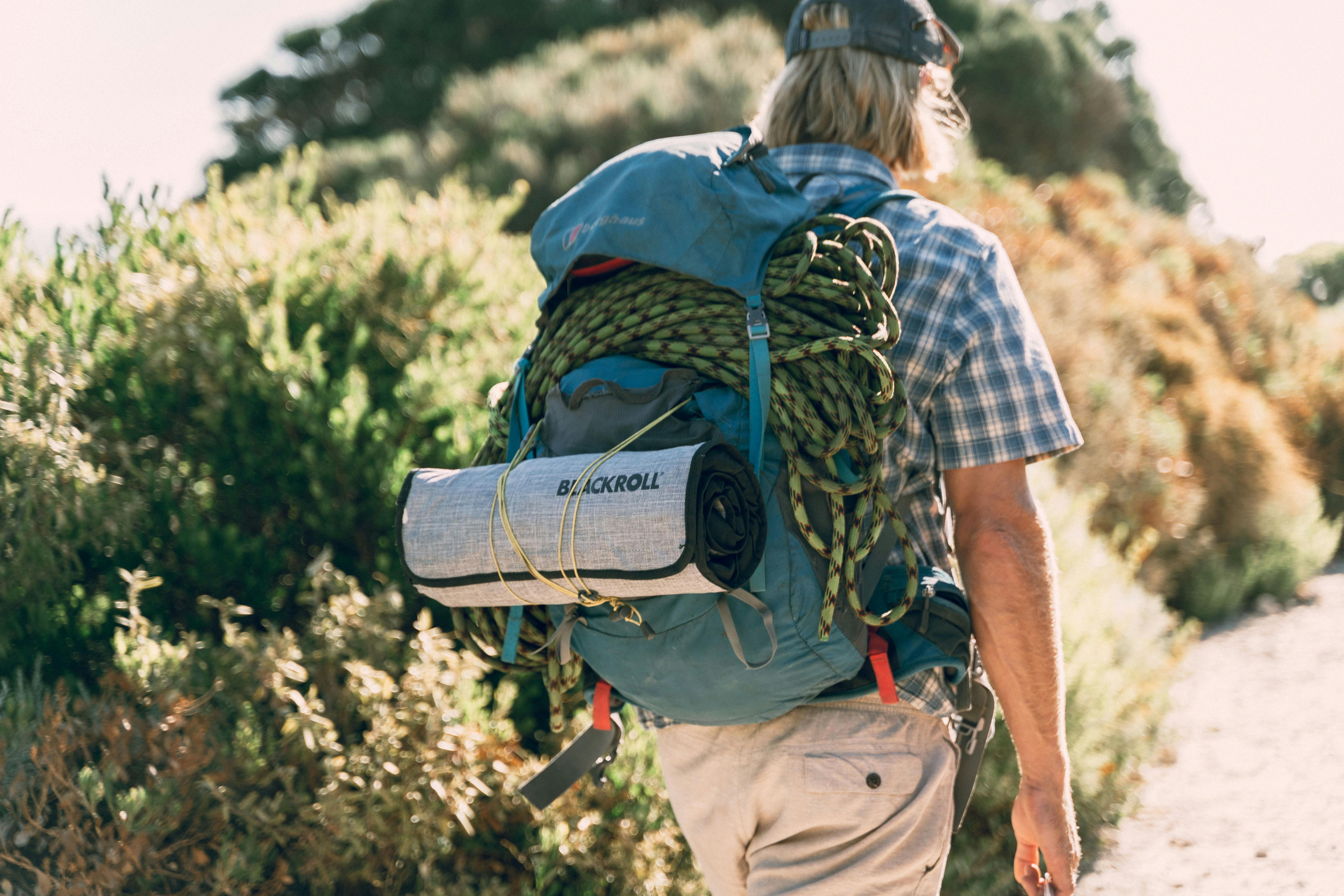
Discover the ultimate guide to sustainable travel gear in 2026! Learn how eco-friendly backpacks, recycled apparel, and innovative green outdoor equipment are transforming adventures. Compare the best ethical brands, invest in durable, low-impact essentials, and make conscious choices for a planet-positive journey. Your adventure starts with sustainable gear!
Introduction to the Topic
Welcome to 2026, where the spirit of adventure meets an unwavering commitment to our planet. As travelers, we're increasingly aware that our footprints extend beyond the trails we hike or the cities we explore. The gear we choose plays a crucial role in defining that impact. Gone are the days when 'eco-friendly' meant sacrificing performance or aesthetics. Today, sustainable travel gear is not just a niche; it's the gold standard, a thriving industry driven by innovation, advanced materials, and a deep understanding of the circular economy. This isn't just about reducing waste; it's about investing in products designed to last, to be repaired, and ultimately, to minimize their environmental footprint from creation to end-of-life. For the modern eco-conscious explorer, choosing sustainable gear isn't a compromise—it's an upgrade, a statement, and a vital step towards truly responsible travel. Join us as we dive deep into the trending world of sustainable gear, helping you navigate the best options to future-proof your adventures while protecting the very landscapes you seek to explore.
Backgrounds & Facts
The urgency for sustainable gear stems from the stark realities of traditional manufacturing. The outdoor and travel gear industry, historically reliant on virgin plastics, harmful chemicals (like PFCs for waterproofing), and energy-intensive processes, has contributed significantly to global pollution. Consider these facts:
- Plastic Predicament: A staggering 8 million metric tons of plastic enter our oceans annually, much of it from discarded consumer goods. Traditional gear often uses virgin polyester, nylon, and polypropylene, materials derived from fossil fuels with high carbon footprints.
- Chemical Contamination: Per- and polyfluoroalkyl substances (PFAS), including PFCs, once widely used for water and stain repellency, are 'forever chemicals' linked to serious health issues and widespread environmental contamination. While many brands have phased them out, legacy products persist.
- Fast Fashion's Shadow: The 'fast gear' mentality, though less prevalent than fast fashion, still exists, leading to premature disposal of functional items due to perceived obsolescence or minor wear. This contributes to landfills overflowing with durable goods.
However, the tide is turning. Consumer demand for sustainable products has surged. A 2024 study by Green Insights Corp. revealed that 78% of travelers are willing to pay a premium for gear with verifiable sustainability credentials. This shift has fueled remarkable innovation:
- Recycled & Upcycled Materials: From ocean plastics transformed into backpack fabrics to discarded fishing nets becoming components of footwear, recycled materials are now mainstream. Recycled polyester (rPET) and recycled nylon (reNylon) reduce reliance on virgin resources by up to 80%.
- Bio-Based & Natural Fibers: Hemp, organic cotton, Tencel (lyocell from wood pulp), and innovative bio-based polymers derived from corn or castor beans offer alternatives with lower environmental impacts and often superior performance.
- PFC-Free DWR: Durable Water Repellent (DWR) coatings are now predominantly PFC-free, utilizing safer chemistries that still offer excellent water resistance.
- Circular Economy Principles: Brands are increasingly embracing design for longevity, repairability, and recyclability. This includes modular designs, easily replaceable components, and take-back programs for end-of-life products.
- Certifications & Transparency: Labels like Bluesign® (for chemical management), Global Organic Textile Standard (GOTS), Fair Trade Certified™, and B Corp certification provide consumers with assurance of ethical and environmental standards across the supply chain. Blockchain technology is also emerging to offer unprecedented supply chain traceability.
These advancements demonstrate a collective effort to redefine adventure, ensuring it's not just about where we go, but how we get there and what we carry.
Expert Opinion / Analysis
We sat down with Dr. Elara Vance, a leading environmental materials scientist and consultant for several major outdoor brands, to gain insight into the sustainable gear revolution. "The biggest misconception is that sustainability is a compromise," Dr. Vance begins. "In 2026, it's quite the opposite. We're seeing materials that are not only eco-friendly but outperform their traditional counterparts in durability, weight, and even comfort."
Dr. Vance emphasizes the holistic approach required. "It's not enough to just use recycled plastic. We need to look at the entire lifecycle: sourcing of raw materials, manufacturing energy consumption, water usage, chemical inputs, labor practices, product longevity, and end-of-life solutions. Brands that excel are those integrating these considerations from concept to consumer."
One of the most exciting trends, according to Dr. Vance, is the rise of 'smart' sustainable materials. "Imagine a fabric that self-repairs minor tears, or a backpack designed with embedded sensors that monitor its structural integrity, prompting you for maintenance before a major failure. These aren't far-fetched sci-fi concepts; prototypes are already in advanced stages. Furthermore, bio-luminescent textiles for safety and energy harvesting fabrics are on the horizon, reducing the need for external power sources."
The 'buy less, choose well' philosophy is also paramount. "The most sustainable product is the one you already own, or the one you buy once and it lasts a lifetime," Dr. Vance asserts. "Durability and repairability are crucial. Consumers should look for brands offering robust warranties, repair services, or providing guides and parts for DIY fixes. This extends product lifespan, drastically reducing the demand for new items and the associated environmental burden."
Looking ahead, Dr. Vance predicts a surge in rental and subscription models for specialized gear. "Why buy a mountaineering tent you'll use once a year when you can rent a top-tier, perfectly maintained, sustainable option? This circular economy model democratizes access to high-quality gear while minimizing individual consumption." She also highlighted the increasing role of AI in optimizing sustainable supply chains, predicting demand, and minimizing waste in production. "The future of sustainable gear is not just green materials; it's intelligent, interconnected, and inherently circular."
💰 Best Options in Comparison (VERY IMPORTANT)
Choosing the right sustainable gear means investing in quality, durability, and verifiable eco-credentials. Here are some of the leading options in 2026, covering essential travel categories, designed for the conscious adventurer seeking peak performance with minimal impact.
- TerraPack Pro 45L Backpack (The Modular Explorer): Engineered from 100% recycled ocean-bound plastic and featuring a modular design, the TerraPack Pro is a game-changer. Its interchangeable lid, hip belt pockets, and external attachment points mean you can customize it for any trip. PFC-free DWR coating, YKK Natulon® recycled zippers, and a lifetime repair guarantee solidify its eco-credentials. Ideal for multi-day hikes, backpacking trips, and eco-conscious urban explorers.
- EcoShell X All-Weather Jacket (The Bio-Tech Protector): This revolutionary jacket combines a bio-based membrane (derived from castor beans) with a shell fabric made from a blend of recycled polyester and organic cotton. It boasts exceptional breathability and waterproofness without relying on harmful chemicals. The design is minimalist, focusing on essential features and repairability, making it a versatile choice for variable climates and demanding adventures.
- HydroPure Smart Bottle (The Connected Hydrator): More than just a water bottle, the HydroPure is crafted from 90% post-consumer recycled stainless steel and features an integrated UV-C purification system. Its smart sensor tracks your hydration levels and connects to an app, reminding you to drink and providing insights into your water consumption. Built to last, it helps eliminate single-use plastic bottles on your travels.
- CloudRest Bio-Fill Sleeping Bag (The Sustainable Slumber): Offering warmth and comfort with a clear conscience, the CloudRest utilizes 100% recycled synthetic insulation made from plastic bottles (or ethically sourced, certified recycled down for colder ratings). Its outer shell is a durable ripstop made from organic cotton and recycled nylon, treated with a plant-based DWR. Designed for easy washing and comes with a patch kit for minor repairs, ensuring a long lifespan.
To help you decide, here's a comprehensive comparison:
| Product | Key Sustainable Features | Best For | Approx. Price (USD) | Unique Selling Point |
|---|---|---|---|---|
| TerraPack Pro 45L Backpack | 100% Recycled Ocean Plastic, Modular Design, PFC-free DWR, Lifetime Repair | Multi-day Hikes, Backpacking, Eco-urban Travel | $280 - $350 | Unparalleled Customization & Durability |
| EcoShell X All-Weather Jacket | Bio-based Membrane, Recycled/Organic Fabric Blend, PFC-free DWR | Hiking, Trekking, Variable Weather Conditions | $250 - $380 | High Performance with Zero Harmful Chemicals |
| HydroPure Smart Bottle | 90% Recycled Stainless Steel, UV-C Purification, Smart Hydration Tracking | Daily Use, International Travel, Outdoor Activities | $70 - $100 | Pure Water, Tracked Hydration, No Plastic Waste |
| CloudRest Bio-Fill Sleeping Bag | 100% Recycled Insulation, Organic Cotton/Recycled Nylon Shell, Plant-based DWR | Camping, Backpacking (3-season to winter) | $180 - $450 | Comfortable, Warm, and Truly Eco-Conscious Slumber |
Investing in these options means you're not just buying gear; you're supporting a future where adventure and environmental responsibility go hand-in-hand. Always check for current certifications and brand transparency reports before making your final purchase.
Outlook & Trends
The trajectory of sustainable gear is one of relentless innovation and increasing integration into the mainstream. Looking towards the late 2020s and beyond, several exciting trends are set to redefine how we interact with our travel equipment:
- Hyper-Personalization & On-Demand Manufacturing: Advances in 3D printing and AI-driven design will allow for gear to be custom-fitted and tailored to individual needs, reducing material waste and ensuring optimal performance and longevity. Imagine printing a backpack frame perfectly molded to your spine, or shoes designed with specific biomechanical support.
- Bio-Integrated & Regenerative Materials: Beyond current bio-based options, research into materials that can biodegrade harmlessly or even regenerate will become more prevalent. Think mushroom-derived leathers that are truly compostable, or textiles grown from algae that actively sequester carbon.
- Advanced Recycling & Upcycling Networks: The 'take-back' and 'repair' programs will evolve into sophisticated, industry-wide circular systems. AI-powered sorting facilities will efficiently process discarded gear into high-quality raw materials, making true closed-loop manufacturing a reality for more product categories. Brands will collaborate more on material recovery.
- IoT & Smart Gear for Sustainability: Integrated sensors in gear will do more than just track performance; they will monitor material degradation, prompt for preventative maintenance, and even communicate with smart recycling systems at end-of-life. Gear will become 'data-rich,' enabling better usage patterns and resource management.
- Decentralized & Localized Production: To reduce shipping emissions and support local economies, we'll see a rise in smaller, regional manufacturing hubs utilizing sustainable practices and locally sourced materials where possible. This also fosters greater transparency and accountability.
- The 'Gear-as-a-Service' Economy: Rental, subscription, and shared ownership models for high-value, specialized gear will become standard. This shifts focus from ownership to access, drastically reducing the overall consumption of resources and making premium sustainable gear accessible to a wider audience.
- Blockchain for Ultimate Transparency: The use of blockchain technology to provide immutable records of a product's journey – from raw material extraction, through every stage of manufacturing, to its sale and even repair history – will become commonplace. This will offer unprecedented supply chain transparency, allowing consumers to verify every sustainability claim with absolute certainty.
These trends paint a picture of a future where gear is not just sustainable, but intelligent, adaptive, and seamlessly integrated into a truly circular economy, empowering travelers to explore with an even lighter footprint.
Conclusion
As we navigate 2026, the choice of sustainable travel gear is no longer an optional add-on but a fundamental aspect of responsible exploration. From innovative recycled materials to bio-based technologies and advanced repair programs, the industry has made monumental strides, proving that high performance and environmental stewardship can, and must, coexist. By investing in durable, ethically produced, and eco-friendly equipment, you're not just preparing for your next adventure; you're actively participating in a global movement towards a more sustainable future.
Remember Dr. Vance's wisdom: the most sustainable gear is the gear you choose wisely, care for diligently, and use for a lifetime. Embrace the circular economy, demand transparency from brands, and make every purchase a conscious decision. Your adventures are a privilege, and the landscapes you traverse are a shared heritage. Equip yourself with gear that honors both. The journey towards a greener planet starts with the choices we make today, one sustainable piece of gear at a time. Future-proof your adventure, protect our world, and travel well.