
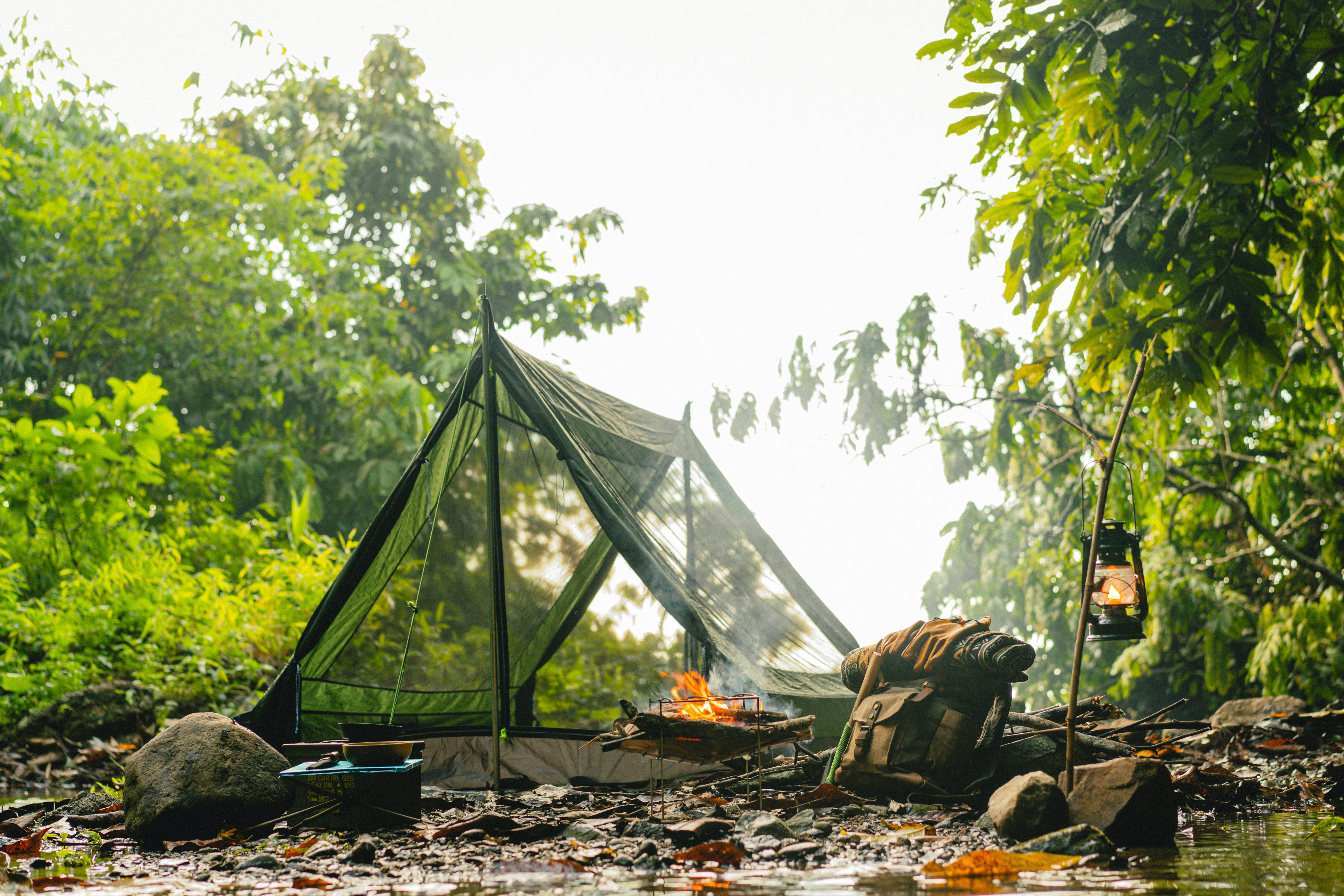
Unlock the secrets to eco-conscious travel in 2026 with our definitive guide to sustainable gear. Discover cutting-edge recycled materials, durable designs, and repairable products that minimize your footprint and maximize your adventure. From smart luggage to biodegradable apparel, learn how to choose the best eco-friendly travel essentials, compare top brands, and invest in gear that truly aligns with your values and saves you money in the long run. Get ready to upgrade your journey responsibly!
Introduction to the Topic
Welcome to 2026, the era where responsible travel isn't just a trend – it's the standard. As global awareness of climate change and environmental degradation intensifies, the modern traveler demands more than just a destination; they seek a journey aligned with their values. This seismic shift has propelled 'Sustainable Gear' from a niche concept to a multi-billion dollar industry, revolutionizing how we pack, trek, and explore. No longer a compromise on performance or aesthetics, today's eco-friendly travel gear is at the forefront of innovation, offering unparalleled durability, functionality, and ethical integrity.
At ecofriendlytravelguides.com, we understand that your gear is an extension of your journey. It's not just about what you carry, but how it's made, its lifecycle, and its impact on the planet you're eager to discover. This comprehensive guide will navigate the exciting landscape of sustainable travel essentials in 2026, helping you make informed purchasing decisions that benefit both your wallet and the Earth. From advanced recycled fabrics to modular, repairable designs and carbon-neutral manufacturing processes, we're diving deep into the gear that's setting the benchmark for conscious adventure.
Backgrounds & Facts
The travel industry's carbon footprint has long been a concern, and the gear we carry contributes significantly to this impact. Traditional manufacturing often relies on virgin plastics, toxic dyes, and unsustainable labor practices, leading to vast amounts of waste and pollution. In 2023, reports indicated that textile waste alone accounted for millions of tons annually, with a significant portion stemming from outdoor and travel gear discarded due to planned obsolescence or lack of repair options. Fast forward to 2026, and while the challenge remains, the industry's response has been nothing short of transformative.
Driven by consumer demand and regulatory pressures, brands are now embracing a circular economy model. This means designing products for longevity, repairability, and eventual recycling or biodegradability. We're seeing a surge in materials like recycled PET (from plastic bottles), upcycled industrial waste, bio-based polymers derived from plants or algae, and innovative closed-loop systems that recapture and reuse manufacturing waste. Transparency is also paramount, with blockchain technology increasingly used to verify supply chains, ensuring ethical sourcing and fair labor practices from raw material to finished product. The market for sustainable outdoor and travel gear is projected to grow exponentially, with analysts forecasting a compound annual growth rate (CAGR) exceeding 15% through the end of the decade, signaling a robust and mature segment for eco-conscious consumers.
Expert Opinion / Analysis
“The evolution of sustainable gear in 2026 is truly astounding,” states Dr. Anya Sharma, a leading material scientist and advocate for circular design. “We’ve moved beyond simply using recycled content to engineering materials that are inherently sustainable at every stage. We’re talking about fabrics that biodegrade harmlessly, smart textiles that self-repair minor abrasions, and modular backpack systems where components can be individually replaced or upgraded. The focus is on longevity and resource efficiency.”
Dr. Sharma emphasizes the importance of looking beyond mere 'greenwashing' claims. “Consumers must scrutinize certifications like B Corp, Fair Trade, bluesign®, and Global Recycle Standard (GRS). These aren't just badges; they represent rigorous audits of environmental performance, social responsibility, and supply chain integrity. Furthermore, brands offering robust repair programs, extended warranties, and end-of-life take-back initiatives are the true pioneers. The shift isn't just about what materials are used, but the entire ethos of the brand – from design to disposal.” She also highlights the rise of 'gear-as-a-service' models, where consumers can rent high-quality, specialized sustainable gear for specific trips, reducing individual ownership and maximizing resource utilization – a trend expected to become mainstream by 2030.
💰 Best Options in Comparison (VERY IMPORTANT)
Navigating the burgeoning market of sustainable travel gear can be overwhelming. To help you make the best choices for your 2026 adventures, we've meticulously researched and compared some of the most innovative and impactful options available. These products excel in their commitment to sustainability without compromising on performance, durability, or style.
- TerraTrek 'Voyager Pro' Recycled Carbon-Neutral Smart Luggage: This carry-on redefines sustainable travel. Crafted from 100% recycled aerospace-grade polycarbonate, it's not just tough; it's also carbon-neutral, with emissions offset through certified reforestation projects. Integrated GPS tracking and a modular repair system for wheels and handles make it a lifetime companion.
- EcoWeave 'Zenith' Biodegradable Performance Shell Jacket: A game-changer for outdoor apparel. Made from a proprietary bio-based polymer derived from cornstarch, this jacket offers superior waterproofing and breathability while being fully biodegradable at the end of its life. EcoWeave also offers a unique 'ReGen' program where you can return the jacket for composting.
- SolarCharge 'Pathfinder' Upcycled Modular Power Bank: Power your devices responsibly with this innovative power bank. It utilizes upcycled lithium-ion cells from retired electric vehicle batteries, encased in a recycled aluminum shell. Its modular design allows for individual cell replacement, and an integrated high-efficiency solar panel provides trickle charging on the go.
- ReGen 'Strider' Algae-Infused Trail Shoes: Step lightly on the planet with these revolutionary trail shoes. The midsole is made from BLOOM™ algae foam, harvested from harmful algal blooms, while the upper features recycled knit fabric. Designed for circularity, ReGen offers a take-back program to recycle components into new footwear.
- Pact Gear 'Infinity' Packable Daypack: The ultimate lightweight, packable daypack for excursions. Constructed from 100% recycled nylon with a PFC-free DWR coating, this pack is incredibly durable and water-resistant. Its minimalist design and repair-friendly construction make it a long-lasting choice, and Pact Gear offers free repairs for life.
Here’s a detailed comparison table to help you weigh your options:
| Product | Key Material | Sustainability Highlights | Repair/Warranty | Price Range (USD) | Ideal For |
|---|---|---|---|---|---|
| TerraTrek 'Voyager Pro' Smart Luggage | 100% Recycled Polycarbonate | Carbon-neutral, GPS tracking, B Corp certified | Modular components, 10-year warranty | $350 - $550 | Frequent flyers, tech-savvy travelers |
| EcoWeave 'Zenith' Performance Shell Jacket | Bio-based Polymer (Cornstarch) | Fully biodegradable, PFC-free DWR, ReGen program | Lifetime repairs, 5-year warranty | $280 - $400 | Hikers, backpackers, all-weather explorers |
| SolarCharge 'Pathfinder' Power Bank | Upcycled Li-ion, Recycled Aluminum | Upcycled materials, integrated solar, modular | Replaceable cells, 2-year warranty | $90 - $150 | Digital nomads, campers, remote adventurers |
| ReGen 'Strider' Algae-Infused Trail Shoes | BLOOM™ Algae Foam, Recycled Knit | Algae-based midsole, circular design, take-back program | 6-month guarantee, recycling program | $140 - $190 | Trail runners, day hikers, eco-conscious walkers |
| Pact Gear 'Infinity' Packable Daypack | 100% Recycled Nylon | PFC-free DWR, minimalist design, GRS certified | Free repairs for life, lifetime warranty | $70 - $110 | Urban explorers, day-trippers, minimalist travelers |
Outlook & Trends
The future of sustainable travel gear promises even greater innovation and integration. By 2030, we expect to see widespread adoption of hyper-personalized gear, designed not only for your body but also for your specific travel patterns and environmental impact goals, facilitated by AI and advanced manufacturing. Imagine 3D-printed luggage made on-demand from local recycled materials, or apparel whose fibers adapt to changing weather conditions using bio-mimicry.
Furthermore, the 'ownership' model will continue to evolve. Gear libraries, subscription services for high-end equipment, and peer-to-peer rental platforms will become commonplace, making specialized gear accessible without the burden of ownership. Blockchain will ensure unparalleled transparency, allowing consumers to trace every component of their product back to its origin, verifying ethical practices and environmental claims with absolute certainty. The focus will shift from simply 'less bad' to 'actively good,' with brands striving for regenerative practices that leave the environment better than they found it. This means not just reducing waste, but actively removing pollutants, restoring ecosystems, and fostering social equity throughout their operations.
Conclusion
As we journey through 2026 and beyond, the choice to invest in sustainable travel gear is more than just a purchase; it's a statement. It's a commitment to protecting the incredible places we explore and supporting the brands that are leading the charge towards a more responsible future. The innovations in materials, design, and circular economy models mean that you no longer have to sacrifice performance for principles. In fact, sustainable gear often outperforms its traditional counterparts in durability and longevity, offering true value for your investment.
By opting for products made from recycled or bio-based materials, designed for repairability, and backed by transparent, ethical brands, you become an active participant in the solution. Your choices have power – the power to reduce waste, conserve resources, and inspire others to travel more consciously. So, as you plan your next adventure, remember that the most meaningful journeys begin with the gear you choose. Equip yourself with the best sustainable travel essentials of 2026, and embark on a path that benefits both you and our beautiful planet.