
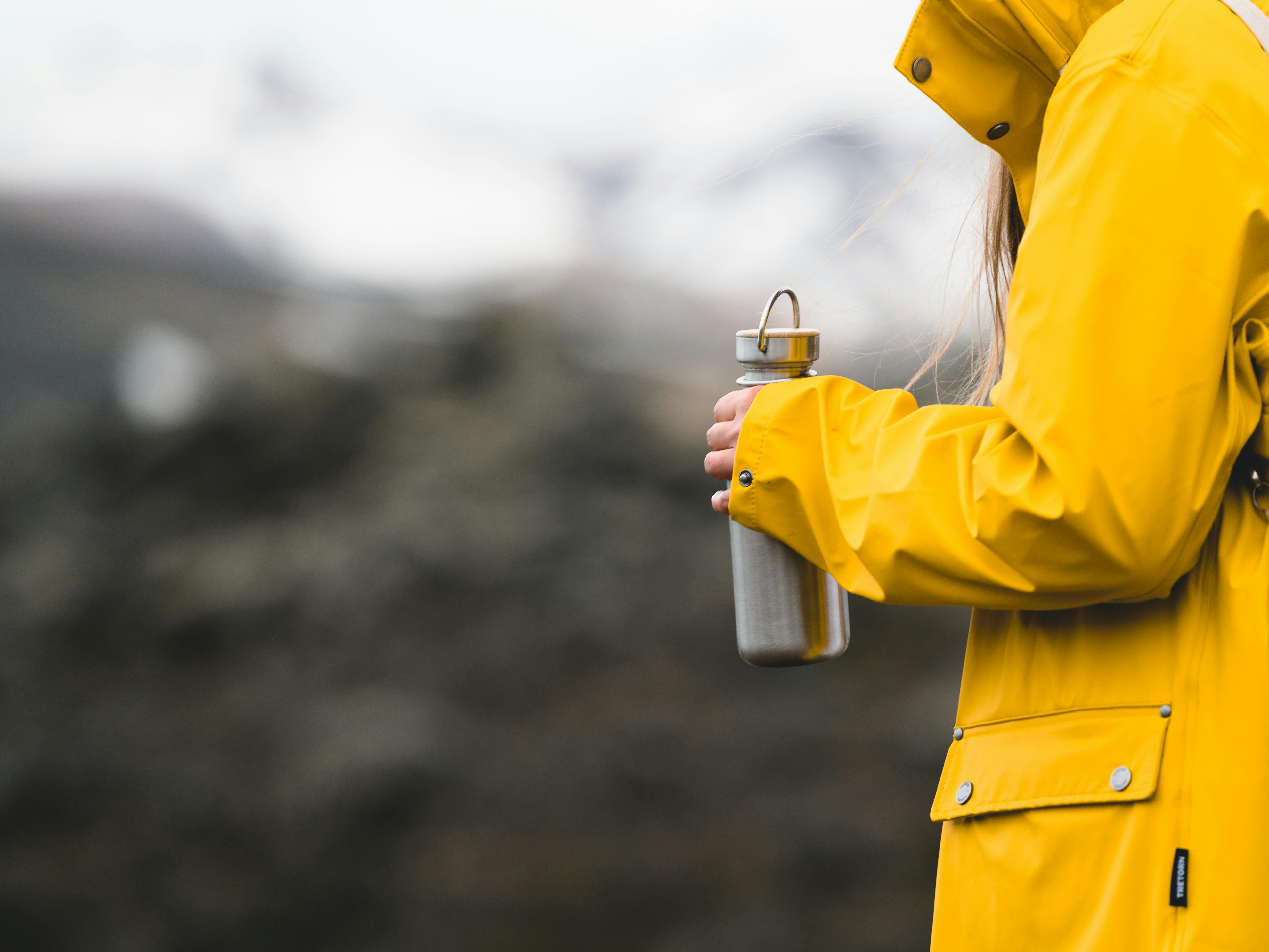
Embark on guilt-free journeys with the most advanced sustainable travel gear of 2026. Discover innovative materials, eco-conscious design, and game-changing products that blend high performance with minimal environmental impact. Our expert guide helps you make smart purchasing decisions for your next eco-friendly adventure.
Introduction to the Topic
Welcome to 2026, the year where sustainable travel isn't just a niche, but a global imperative. As eco-conscious adventurers increasingly seek to minimize their footprint, the demand for truly sustainable gear has skyrocketed. Gone are the days when 'eco-friendly' meant compromising on performance or durability. Today, cutting-edge material science, innovative design, and a commitment to circularity are transforming the outdoor and travel gear industry. This article delves into the most exciting advancements in sustainable gear, highlighting products and trends that will not only enhance your adventures but also protect the planet you love to explore. Get ready to discover the future of responsible travel equipment, designed for the discerning traveler who wants to buy once, buy well, and tread lightly.
Backgrounds & Facts
The environmental toll of traditional gear manufacturing has long been a dark secret in the adventure industry. From petroleum-based plastics and synthetic fabrics that shed microfibers, to chemical-intensive dyeing processes and vast amounts of textile waste, the lifecycle of conventional gear often leaves a significant carbon footprint. However, the last few years have seen a profound shift. Consumer demand, coupled with increasing regulatory pressures and a growing corporate conscience, has spurred unprecedented innovation.
By 2026, the global market for sustainable outdoor and travel gear is projected to reach an astounding $15 billion, driven by a compound annual growth rate exceeding 10%. This growth is fueled by several key trends: the widespread adoption of recycled and upcycled materials (e.g., ocean-bound plastics, post-consumer PET bottles, industrial waste); the emergence of high-performance bio-based fabrics derived from sources like algae, corn, and even mushrooms; and a strong emphasis on PFC-free (per- and polyfluoroalkyl substances) durable water repellent (DWR) coatings, moving away from harmful 'forever chemicals'. Brands are also increasingly transparent about their supply chains, utilizing certifications like bluesign, Global Recycled Standard (GRS), and Fair Trade to assure ethical and environmental responsibility. The focus has moved beyond just the product to its entire lifecycle – from raw material sourcing to end-of-life solutions like repair programs, take-back initiatives, and even compostable components. This commitment to a 'circular economy' model is truly reshaping how we think about and purchase our travel essentials.
Expert Opinion / Analysis
"The revolution in sustainable gear isn't just about new materials; it's a paradigm shift in how we design, produce, and consume," states Dr. Anya Sharma, lead material scientist at GreenGear Innovations and a prominent voice in sustainable manufacturing. "For too long, performance and environmental responsibility were seen as mutually exclusive. Today, thanks to advancements in polymer chemistry, enzyme-based processing, and even AI-driven design optimization, we're seeing products that outperform their conventional counterparts while being significantly kinder to the planet."
Dr. Sharma emphasizes the importance of material innovation. "Take mycelium-based leather alternatives, for example. In 2026, these aren't just prototypes; they're being integrated into high-end hiking boots and backpack components, offering superior durability, breathability, and a significantly lower carbon footprint than traditional leather or petroleum-based synthetics. Similarly, advanced closed-loop recycling systems mean that a worn-out jacket can genuinely become the raw material for a new one, reducing virgin resource extraction to an absolute minimum."
She also highlights the consumer's role. "The power of purchasing intent cannot be overstated. When travelers choose brands committed to transparency, repairability, and ethical practices, they're not just buying a product; they're investing in a more sustainable future. Look for certifications, inquire about repair policies, and prioritize multi-functional, long-lasting items. The 'buy less, buy better' mantra is more relevant than ever." The challenge remains scalability and cost, but Dr. Sharma is optimistic. "As demand grows and technologies mature, sustainable options are becoming increasingly competitive, making eco-friendly choices accessible to a broader audience."
💰 Best Options in Comparison (VERY IMPORTANT)
Navigating the burgeoning market of sustainable gear can be overwhelming, but we've identified some of the top contenders in 2026 that offer unparalleled performance, durability, and eco-credentials. These products represent the pinnacle of sustainable innovation, ensuring your investment supports a healthier planet.
- EcoTrek 'TerraPack Pro' Backpack (2026 Edition): Crafted entirely from recycled ocean-bound plastics and industrial textile waste, this modular backpack features a PFC-free DWR coating and a unique 'repair-for-life' program. Its ergonomic design and customizable compartments make it ideal for multi-day treks or urban adventures.
- Evergreen Outdoor 'AeroShell Recycled Jacket': A flagship product made from 100% recycled nylon, the AeroShell boasts a revolutionary bio-based, fluorocarbon-free waterproof membrane. Lightweight, breathable, and incredibly durable, it's bluesign certified and designed for extreme weather protection without the environmental cost.
- NatureStep 'BioStride' Hiking Boots: These ground-breaking boots feature uppers made from mycelium-based leather alternative, a 70% plant-based rubber sole, and recycled polyester laces. Designed for comfort and rugged trails, they offer excellent grip and support, proving that performance doesn't need to come at Earth's expense.
- AquaVerde 'HydroPure Compact' Water Filter: Moving beyond plastic, this innovative filter utilizes a ceramic-carbon blend in a durable, repairable stainless steel casing. It effectively removes bacteria, protozoa, and microplastics, offering a sustainable alternative to bottled water with a filter lifespan of over 5,000 liters.
- SustainSleep 'CloudRest Bio-Fill' Sleeping Bag: This ultra-light sleeping bag uses a revolutionary fill made from recycled down and a blend of corn-based biopolymers, offering exceptional warmth-to-weight ratio. Its organic cotton shell and fully traceable supply chain ensure ethical sourcing and a minimal environmental impact.
To help you make an informed choice, here's a comparison of these leading sustainable gear options:
| Product Category | Brand/Model | Key Sustainable Feature | Durability/Performance | Price Range (USD) | Best For |
|---|---|---|---|---|---|
| Backpack | EcoTrek 'TerraPack Pro' | 100% Recycled Ocean Plastics, Repair-for-Life | Excellent, modular, ergonomic | $250 - $400 | Multi-day treks, versatile travel |
| Jacket | Evergreen Outdoor 'AeroShell' | 100% Recycled Nylon, Bio-based DWR, bluesign | Superior waterproofing, breathable | $300 - $550 | Extreme weather, lightweight hiking |
| Hiking Boots | NatureStep 'BioStride' | Mycelium Leather, Plant-based Sole, Recycled Laces | Rugged, comfortable, excellent grip | $180 - $280 | Day hikes, multi-day backpacking |
| Water Filter | AquaVerde 'HydroPure Compact' | Repairable Stainless Steel, Ceramic-Carbon Filter | Highly effective, 5000L lifespan | $60 - $90 | All travel, emergency preparedness |
| Sleeping Bag | SustainSleep 'CloudRest Bio-Fill' | Recycled Down/Bio-polymer Fill, Organic Cotton | Ultralight, exceptional warmth | $200 - $450 | Backpacking, cold weather camping |
Outlook & Trends
The future of sustainable gear promises even more exciting innovations. Looking beyond 2026, we anticipate several key trends that will further redefine eco-conscious travel:
- Self-Healing Materials: Imagine fabrics that automatically repair small tears or abrasions, extending product lifespan significantly. Early prototypes are already showing promise.
- Hyper-Personalization & On-Demand Manufacturing: 3D printing and advanced robotics will allow for gear tailored precisely to individual needs, reducing waste from mass production and improving fit and function.
- Blockchain for Transparency: Enhanced use of blockchain technology will provide immutable records of a product's entire lifecycle, from raw material origin to carbon footprint, allowing consumers to verify claims with unprecedented trust.
- Rental & Subscription Models: For specialized or infrequently used gear (e.g., mountaineering equipment, specific expedition gear), rental and subscription services will become mainstream, promoting shared resources and reducing individual consumption.
- Fully Compostable Gear: Research into truly biodegradable and home-compostable materials for everything from tent stakes to waterproof membranes is advancing rapidly, aiming for a future where gear can return to the earth without harm.
- Integrated Smart Tech: Gear will increasingly incorporate sensors to monitor environmental conditions, user biometrics, and even track the product's own sustainability metrics, empowering more informed and eco-conscious adventures.
These trends point towards a future where gear is not just sustainable, but intelligent, adaptive, and seamlessly integrated into a circular economy, further minimizing our impact on the planet.
Conclusion
As we navigate 2026 and look towards the horizon, the message is clear: sustainable travel gear is no longer a niche luxury but an essential component of responsible adventure. The innovations highlighted here demonstrate that you no longer have to choose between high performance and environmental stewardship. By investing in thoughtfully designed, durable, and ethically produced gear, you're not just enhancing your own travel experiences; you're actively participating in the preservation of the wild places we all cherish.
Make every journey count, not just for the memories you create, but for the legacy you leave behind. Choose sustainable. Choose smart. Choose to explore with purpose. Your next adventure awaits, equipped with gear that respects both you and the planet.