
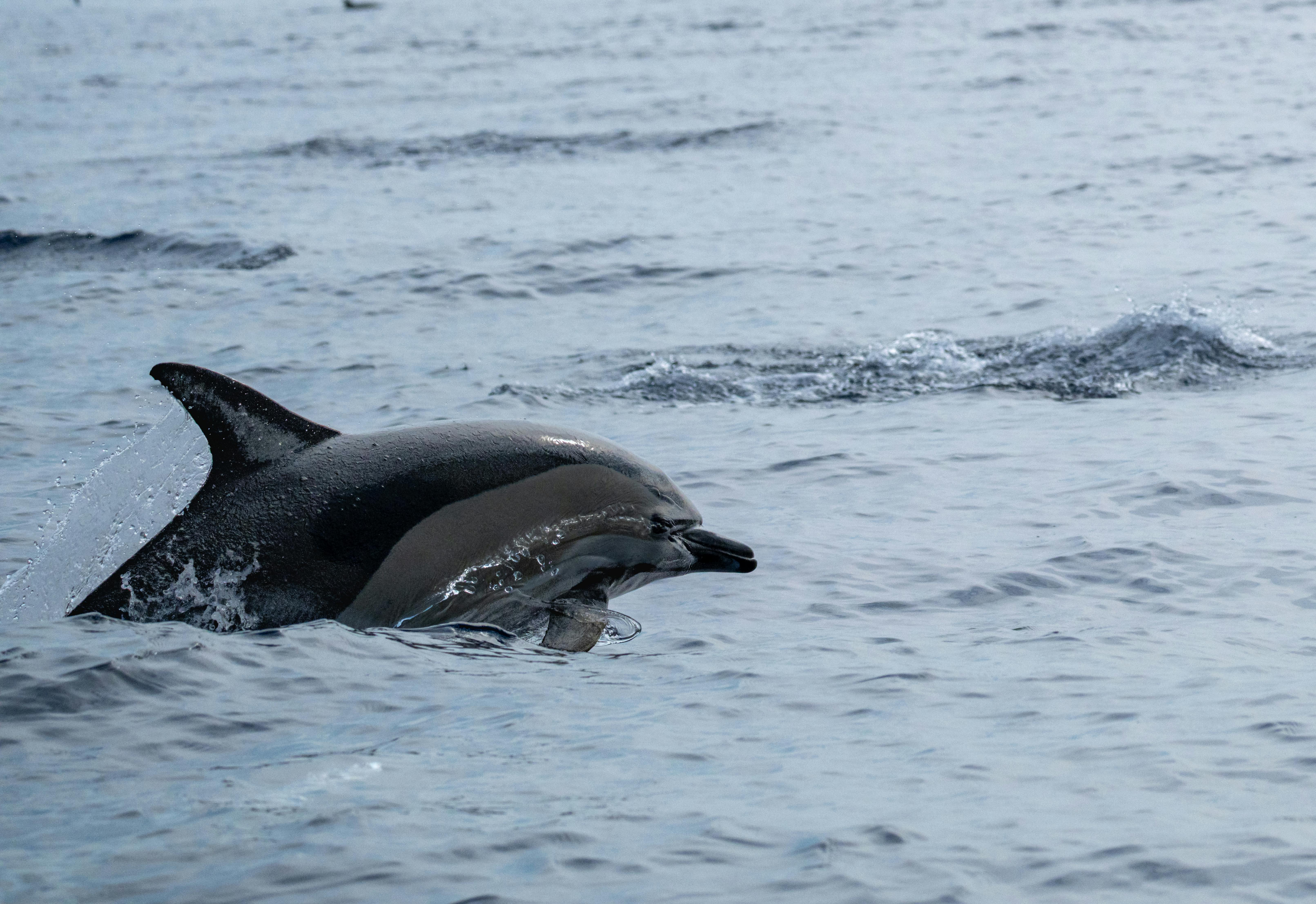
Dive into the future of ocean conservation and discover how regenerative travel, cutting-edge coral reef restoration, and ethical tourism are transforming marine ecosystems. Explore sustainable travel options, eco-friendly resorts, and citizen science opportunities to actively heal our planet's most vibrant underwater worlds. Your next trip can make a profound difference!
Introduction to the Topic: Beyond Sustainability – The Rise of Regenerative Ocean Travel
As we navigate 2026, the call to protect our oceans has never been more urgent, nor the solutions more innovative. For years, the mantra of 'sustainable travel' has guided conscious explorers, urging us to minimize our footprint. But what if we could do more than just sustain? What if our vacations could actively heal, restore, and rejuvenate the very ecosystems we cherish? Welcome to the era of Regenerative Ocean Travel, a powerful movement transforming how we interact with our planet's most vital underwater treasures: coral reefs.
Coral reefs, often called the 'rainforests of the sea,' are biodiversity hotspots, supporting a quarter of all marine species. They protect coastlines, provide food security, and fuel local economies through tourism. Yet, they face an existential crisis from climate change, ocean acidification, pollution, and unsustainable tourism practices. The good news? A new wave of travel, powered by advanced science and a deep commitment to ecological restoration, is offering a beacon of hope. This isn't just about choosing an eco-friendly resort; it's about becoming an active participant in the recovery of these magnificent, fragile worlds. Get ready to discover how your next adventure can leave the ocean better than you found it.
Backgrounds & Facts: The Crisis and the Innovation
The statistics are stark. Over the past few decades, we've lost approximately 50% of the world's coral reefs, with projections indicating up to 90% could disappear by 2050 without drastic action. Major bleaching events, driven by rising ocean temperatures, have devastated vast swaths of reefs, from Australia's Great Barrier Reef to the Caribbean and beyond. Traditional tourism, while economically vital, has often inadvertently contributed to this decline through physical damage from anchors, careless divers, and chemical runoff from sunscreens.
However, the past few years, leading into 2026, have seen an incredible surge in scientific innovation and conservation efforts. Marine biologists and tech innovators are pioneering techniques that go far beyond traditional conservation:
- Coral Gardening & Micro-fragmentation: This involves growing coral fragments in underwater nurseries and then transplanting them onto degraded reefs. Micro-fragmentation, a technique perfected in recent years, allows corals to grow 25-50 times faster than in nature, significantly accelerating restoration efforts.
- 3D-Printed Reef Structures: Artificial reef bases are being 3D-printed using sustainable materials, providing stable platforms for new coral growth and habitat for marine life, especially in areas where natural structures have been lost.
- Assisted Evolution & Genetic Research: Scientists are identifying and breeding 'super corals' – strains naturally more resilient to heat and ocean acidification – to enhance the genetic diversity and robustness of restored reefs.
- Advanced Monitoring with AI & Robotics: Underwater drones, AI-powered image recognition, and remote sensing are now deployed to monitor reef health, identify threats, and track restoration progress with unprecedented accuracy, allowing for targeted intervention.
- Marine Protected Areas (MPAs): While not new, the strategic expansion and more effective management of MPAs are proving crucial. These zones, often supported by tourism revenues, act as safe havens, allowing marine populations to recover and spill over into surrounding areas.
These innovations, coupled with a growing global awareness, are laying the groundwork for truly regenerative travel experiences.
Expert Opinion / Analysis: The Regenerative Imperative
“The shift from 'do no harm' to 'actively heal' is the most significant evolution in ecotourism we’ve seen in decades,” explains Dr. Anya Sharma, a leading marine conservationist and director of the Ocean Futures Institute. “For too long, sustainability was about mitigating negative impacts. Regenerative travel, particularly in fragile ecosystems like coral reefs, flips the script. It’s about leaving a place better than you found it, fostering biodiversity, and empowering local communities as stewards of their environment.”
Dr. Sharma emphasizes that this isn't just a feel-good trend; it's a critical imperative. “The health of our oceans is intrinsically linked to human well-being. Regenerative travel offers a powerful economic model for conservation, demonstrating that protecting nature can be profitable and sustainable for local economies. When travelers invest in these experiences, they’re directly funding scientific research, community education, and on-the-ground restoration work.”
The analysis reveals several key components for successful regenerative ocean travel:
- Authentic Local Engagement: Ensuring local communities are not just employed but are decision-makers and beneficiaries of tourism, fostering a sense of ownership and pride in conservation.
- Transparent Impact Reporting: Travelers want to see tangible results. Operators must clearly communicate how their contributions are being used and the ecological impact achieved.
- Education and Participation: Moving beyond passive observation to active learning and hands-on involvement, transforming tourists into temporary conservationists.
- Holistic Approach: Recognizing that ocean health is connected to land-based activities, promoting responsible practices in accommodation, food sourcing, and waste management.
The challenges remain, particularly in scaling these efforts and ensuring genuine commitment over 'greenwashing.' However, the demand from conscious travelers in 2026 is driving a rapid evolution towards more impactful and transparent options.
💰 Best Options in Comparison: Your Regenerative Ocean Adventure Awaits!
Ready to turn your wanderlust into a force for good? Here are the best avenues for engaging in regenerative ocean travel, empowering you to make a tangible difference:
1. Certified Regenerative Resorts & Liveaboards
These are not just 'eco-friendly' but actively invest in and facilitate marine restoration. Look for certifications that go beyond basic environmental standards.
- What to Look For: Properties with on-site marine biologists, dedicated coral nurseries, wastewater treatment plants, renewable energy sources, local sourcing, and direct contributions to local conservation projects. Many offer guided reef restoration dives or educational programs.
- Example Features: 'Adopt-a-Coral' programs, daily marine lectures, sustainable seafood dining, reef-safe amenities, and support for local artisan communities.
- Best For: Travelers seeking a luxurious yet impactful vacation, families looking for educational experiences, and those who want convenience combined with conservation.
2. Citizen Science & Volunteer Expeditions
For the hands-on adventurer, these programs allow you to become a temporary marine researcher or conservationist.
- What to Look For: Reputable non-profits or research organizations offering structured programs in reef monitoring, coral planting, data collection, or even invasive species removal. Programs range from a few days to several weeks and often include training.
- Example Activities: Underwater surveys, photo identification of marine species, coral fragment attachment, data entry, and community outreach.
- Best For: Solo travelers, gap-year adventurers, students, divers with a passion for direct action, and those on a budget (some programs offer accommodation in exchange for work).
3. Eco-Friendly Dive & Snorkel Operators
Even for shorter trips, choosing the right operator can significantly reduce your impact and support local conservation.
- What to Look For: Operators committed to small group sizes, strict 'no-touch' policies, reef-safe sunscreen encouragement, proper waste disposal, local hiring, and contributions to marine parks or conservation funds. Many offer guided tours with marine naturalists.
- Example Services: Guided dives focused on marine identification, educational briefings before each excursion, use of mooring buoys instead of anchoring, and offering reusable water bottles.
- Best For: Day-trippers, casual snorkelers/divers, and those wanting an impactful experience without a long-term commitment.
4. Sustainable Gear & Products
Your choices before and during your trip also matter immensely.
- What to Look For: Reef-safe sunscreens (non-nano zinc oxide and titanium dioxide), reusable water bottles and coffee cups, quick-dry towels made from recycled materials, swimwear from regenerated ocean plastics, and dive gear from brands with strong ethical and environmental policies.
- Example Products: Stream2Sea reef-safe sunscreen, Hydro Flask water bottles, Patagonia swimwear, Fourth Element dive gear.
- Best For: Every traveler, as these are essential items that minimize personal impact and support responsible businesses.
| Option Category | Key Impact | Cost Range (Approx. 2026) | Skill Level/Commitment | Ideal For |
|---|---|---|---|---|
| Regenerative Resorts/Liveaboards | Direct funding for reef restoration, sustainable operations, education. | $$ (Luxury) to $$ (Mid-range) per night/trip | Low (Observational/Participatory) | Families, couples, those seeking comfort & impact |
| Citizen Science/Volunteer Expeditions | Hands-on restoration, data collection, community support. | $ (Budget) to $$ (Mid-range) per week | Medium to High (Active participation, training often provided) | Solo travelers, students, divers, those seeking deep engagement |
| Eco-Friendly Dive/Snorkel Operators | Minimized environmental footprint, local economy support, education. | $ (Affordable) to $ (Mid-range) per trip | Low (Observational) | Day-trippers, casual divers/snorkelers, budget-conscious |
| Sustainable Gear & Products | Reduces chemical pollution, plastic waste, supports ethical manufacturing. | $ (Affordable) to $$ (Investment) per item | Very Low (Consumer choice) | Every traveler, essential for minimizing personal impact |
Outlook & Trends: The Future of Our Blue Planet
Looking ahead from 2026, the trajectory for regenerative ocean travel is steep and promising. We can anticipate several key trends shaping this vital sector:
- Hyper-Personalized Impact Journeys: Imagine AI-powered platforms matching your travel preferences with specific conservation projects that align with your values, offering real-time updates on your contribution.
- Expansion of Blue Carbon Initiatives: Beyond coral reefs, regenerative travel will increasingly focus on restoring and protecting 'blue carbon' ecosystems like mangroves and seagrass beds, critical for carbon sequestration and coastal protection. Expect tours that combine reef work with mangrove planting.
- Augmented Reality (AR) & Virtual Reality (VR) for Education: Before even diving in, travelers might experience a degraded reef and then its restored counterpart through AR/VR, deepening their understanding and commitment to conservation.
- Integrated Land-Sea Conservation: A growing understanding that ocean health starts on land will lead to more regenerative resorts and tours incorporating watershed protection, sustainable agriculture, and plastic waste management initiatives on shore.
- Policy & Certification Evolution: Governments and international bodies will likely introduce more robust standards and certifications for regenerative tourism, making it easier for travelers to identify truly impactful operators and destinations.
The future of ocean conservation is not just about technology; it's about a fundamental shift in our relationship with nature, recognizing ourselves as part of the ecosystem, not separate from it. Regenerative travel is at the forefront of this paradigm shift.
Conclusion: Your Passport to a Healthier Ocean
The challenges facing our coral reefs are immense, but the spirit of innovation and the power of collective action offer a powerful counter-narrative of hope. Regenerative ocean travel isn't just a niche market; it's becoming the gold standard for responsible exploration. It empowers you, the conscious traveler, to move beyond being a mere spectator to becoming an active participant in the planet's healing.
In 2026 and beyond, your travel choices carry more weight than ever. By opting for a certified regenerative resort, joining a citizen science expedition, choosing an eco-friendly dive operator, or simply packing reef-safe sunscreen, you're investing directly in the future of our blue planet. You're not just booking a vacation; you're casting a vote for a thriving ocean, vibrant marine life, and resilient coastal communities. So, pack your bags, choose wisely, and embark on an adventure that truly leaves the world a better place. Your passport to a healthier ocean awaits.