
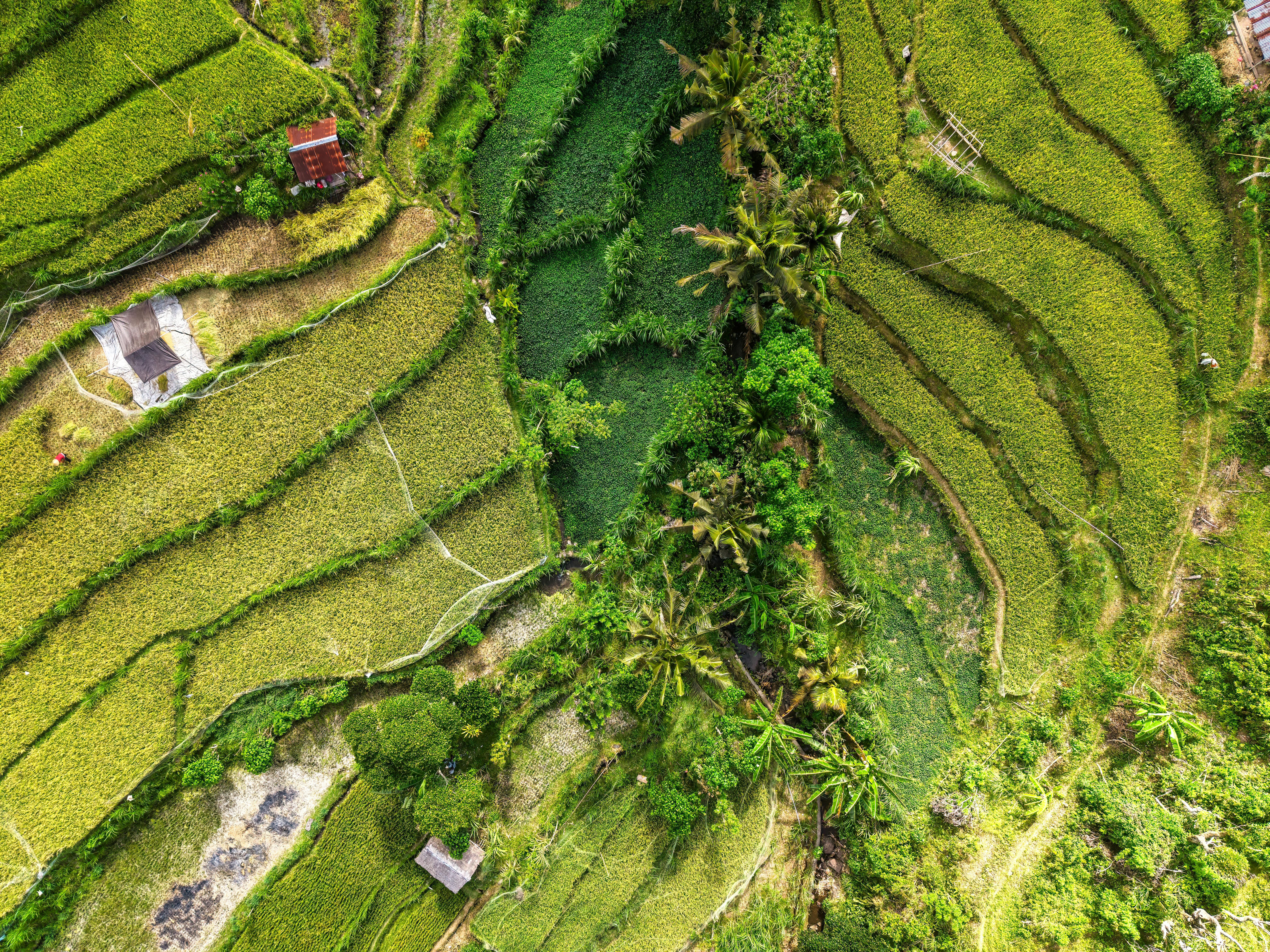
Discover the future of responsible tourism in 2026 with regenerative travel. Go beyond sustainability and actively contribute to environmental and social restoration. Learn about the best destinations, compare leading eco-initiatives, and book your next truly impactful, guilt-free adventure. Maximize your travel investment for both personal enrichment and planetary well-being.
Introduction to the Topic
Welcome to 2026, where the conscious traveler no longer just seeks to minimize harm but actively desires to do good. Forget merely sustainable; the travel industry has evolved, and the trending buzzword, quickly becoming a global movement, is Regenerative Travel. This isn't just a niche; it's the next frontier for eco-tourism, offering unparalleled opportunities to immerse yourself in authentic cultures, breathtaking natural environments, and leave a positive, lasting legacy. Imagine returning from your holiday not just refreshed, but knowing your journey directly contributed to restoring ecosystems, empowering local communities, or preserving ancient traditions. This article will guide you through the exciting world of regenerative travel, highlighting the best destinations, comparing leading programs, and providing actionable advice on how to book your next truly transformative, impact-driven adventure. Get ready to explore the world and actively participate in its healing.
Backgrounds & Facts
The journey from mass tourism to regenerative travel has been a fascinating evolution. For decades, traditional tourism often left a footprint of over-development, cultural erosion, and environmental degradation. The early 2000s saw the rise of 'eco-tourism' and 'sustainable travel,' focusing on reducing negative impacts – 'do no harm.' While crucial, this approach often felt like damage control. By 2026, global awareness of climate change, biodiversity loss, and social inequalities has pushed travelers and operators alike to demand more. Regenerative travel emerges as the powerful answer, shifting the paradigm from 'less bad' to 'actively good.'
At its core, regenerative travel aims to leave a place better than it was found. This involves a holistic approach that integrates environmental restoration (reforestation, rewilding, coral reef regeneration), social equity (fair wages, community ownership, cultural revitalization), and economic resilience (local sourcing, circular economies). Recent surveys indicate that over 80% of travelers in 2025 expressed a willingness to pay more for travel options that positively impact local communities and environments. This demand has spurred innovation, with destinations and tour operators worldwide developing groundbreaking programs. From the Amazon rainforest to the Scottish Highlands, indigenous communities and conservationists are partnering with travelers to co-create experiences that are not only enriching but also vital for the planet's future. The shift is monumental, moving beyond mere preservation to active restoration, making every journey an investment in a healthier world.
Expert Opinion / Analysis
"Regenerative travel isn't just a trend; it's the imperative for the future of tourism," states Dr. Anya Sharma, lead researcher at the Global Ecotourism Institute. "We've moved past the point where simply 'sustaining' is enough. Our planet and its communities need active restoration, and travelers, armed with increasing awareness and purchasing power, are uniquely positioned to drive this change." Dr. Sharma emphasizes that while the concept is powerful, discerning genuine regenerative initiatives from mere greenwashing requires diligence. "Look for transparency in impact reports, direct community involvement in governance, and clear metrics of environmental improvement. Authentic regenerative projects often involve longer stays, deeper immersion, and opportunities for travelers to contribute hands-on, rather than just observing."
The expert analysis also highlights the growing role of technology. AI-powered platforms are emerging that can track the direct impact of your travel dollars, from the number of trees planted to the percentage of local produce purchased by your accommodation. Blockchain technology is also being explored to ensure financial transparency, guaranteeing that funds reach the intended beneficiaries within host communities. This technological evolution helps mitigate concerns about authenticity and allows travelers to make truly informed decisions, transforming their travel choices into measurable acts of planetary stewardship. The emphasis for 2026 is on tangible, verifiable impact, making every booking a conscious investment in a better world.
💰 Best Options in Comparison (VERY IMPORTANT)
Choosing a regenerative travel experience means aligning your values with your vacation. Here are some of the most impactful and sought-after options for 2026, offering diverse ways to contribute while experiencing extraordinary destinations:
-
Indigenous-Led Cultural Immersion & Land Restoration: The Amazon & Australia's Northern Territory
These programs offer unparalleled access to ancient cultures, guided by indigenous communities who are the true custodians of their lands. Travelers participate in traditional practices, learn about ancestral ecological knowledge, and directly support biodiversity conservation efforts managed by the local people. Your stay directly funds land management, cultural preservation, and sustainable livelihoods, ensuring the longevity of both culture and nature.
-
Wildlife Conservation & Rewilding Expeditions: Patagonia & Scottish Highlands
For nature enthusiasts, these expeditions focus on restoring vital ecosystems and reintroducing native species. In Patagonia, you might join scientific teams monitoring puma populations or participate in reforestation efforts in damaged areas. In the Scottish Highlands, projects involve planting native trees to expand ancient Caledonian forests and supporting the reintroduction of species like beavers. These trips often combine adventure with hands-on conservation work, making you an active participant in rewilding efforts.
-
Agro-Tourism & Sustainable Food Systems: Tuscany & Bali
Experience the heart of regenerative agriculture by staying on working farms and estates that prioritize soil health, biodiversity, and local food systems. Learn traditional farming techniques, participate in harvests, and enjoy farm-to-table cuisine that supports local economies and ecological balance. These experiences offer a deep dive into sustainable living, connecting you directly with the source of your food and the land that sustains it.
-
Marine Ecosystem Regeneration & Coastal Community Support: Coral Triangle & Caribbean
Dive into efforts to restore our oceans, particularly vulnerable coral reefs and mangrove forests. Travelers can participate in coral planting, marine debris cleanups, and support local fishing communities transitioning to sustainable practices. These trips often partner with marine biologists, providing educational insights into ocean conservation and giving you a direct role in protecting vital marine biodiversity.
Compare Your Regenerative Journey:
| Destination Type | Key Impact Focus | Typical Activities | Price Range (Est. USD/week) | Best For | Booking Platforms/Providers (Examples) |
|---|---|---|---|---|---|
| Indigenous Cultural & Land | Cultural preservation, biodiversity, community empowerment | Traditional ceremonies, jungle treks, craft workshops, sustainable resource management | $1,500 - $4,000+ | Deep cultural immersion, learning indigenous wisdom, direct community benefit | Local community trusts, specialist eco-tour operators, cultural exchange programs |
| Wildlife & Rewilding | Habitat restoration, species reintroduction, ecological monitoring | Wildlife tracking, tree planting, scientific data collection, guided safaris/treks | $2,000 - $6,000+ | Adventure seekers, nature photographers, aspiring conservationists, hands-on impact | Conservation organizations, eco-expedition companies, nature reserves |
| Agro-Tourism & Food Systems | Soil health, local food security, sustainable farming practices, culinary heritage | Farm work, cooking classes, vineyard tours, farmers' market visits, workshops | $800 - $2,500 | Foodies, families, those interested in sustainable living, slower pace of travel | Direct farm bookings, specialized agro-tourism agencies, culinary travel groups |
| Marine Ecosystem & Coastal | Coral reef health, mangrove restoration, sustainable fishing, ocean literacy | Snorkeling/diving, coral planting, beach cleanups, marine biology lectures | $1,200 - $3,500+ | Divers, ocean lovers, families, those passionate about marine conservation | Dive resorts with conservation programs, marine parks, environmental NGOs |
When selecting your regenerative journey, always look for certifications from reputable bodies like B Corp, Ecotourism Australia, or specific regional sustainable tourism initiatives. Prioritize direct bookings where possible, as this ensures more of your money goes directly to the local operators and communities driving the regenerative efforts.
Outlook & Trends
The future of regenerative travel in 2026 and beyond is incredibly promising. We're seeing a trend towards hyper-localized experiences, where travelers engage with micro-economies and specific, often smaller-scale, restoration projects. The concept of a 'Traveler Impact Score' is gaining traction, with platforms developing tools that allow you to see the precise environmental and social benefits of your trip before, during, and after your journey. This transparency will further empower travelers to make truly impactful choices.
Furthermore, governments and major tourism boards are increasingly recognizing the economic and ecological benefits of regenerative models, leading to more robust policies and funding for such initiatives. Expect to see more national parks and protected areas adopting regenerative management strategies, opening up new opportunities for responsible engagement. The integration of augmented reality (AR) and virtual reality (VR) will also allow travelers to virtually explore potential regenerative projects, enhancing pre-trip engagement and education. Regenerative travel is not just a passing fad; it's becoming the gold standard for conscious exploration, driven by both traveler demand and the urgent need for global healing.
Conclusion
As we navigate 2026, the opportunity to transform your vacation into a force for good has never been more accessible or impactful. Regenerative travel offers a profound way to connect with destinations, cultures, and the natural world, moving beyond passive observation to active participation in global restoration. By choosing regenerative options, you're not just booking a trip; you're investing in a healthier planet, empowered communities, and a richer, more meaningful travel experience for yourself. It’s time to redefine your travel goals: explore with purpose, contribute with passion, and return home with the profound satisfaction of having helped heal the world. Begin planning your regenerative journey today and become a part of the solution.