
A farm that begins hosting guests rarely keeps its cropping and stocking plan unchanged. The presence of visitors alters the economics of what is worth growing.
Direct sale rewards variety over volume
Wholesale buyers want uniform produce in quantity, which pushes farms toward a small number of crops grown to a specification.
A guest buying at the farm gate wants range and interest, and will pay for varieties that supermarkets reject on appearance or shelf life.
That reverses the incentive, making small plantings of many things viable where they would be unsellable through a wholesaler.
The kitchen creates internal demand
A farm serving meals becomes its own customer, and produce grown for the table has no packing, grading or transport cost attached.
Vegetables, herbs, eggs, fruit and dairy consumed on site convert directly into the value of the meal, which is a far better return per unit than any wholesale price.
This is why farm stays commonly expand kitchen gardens and orchards well beyond household scale once guest numbers rise.
Visual and seasonal considerations enter the plan
Guests respond to what they can see, so flowering crops, hedgerows, mixed pasture and orchards acquire a value that a purely productive assessment would not assign them.
Farms also spread planting to extend the period during which something is visibly happening, since an empty field in a shoulder month affects bookings.
These choices frequently coincide with practices that support pollinators and soil condition, which is a convenient alignment rather than a designed one.
Livestock decisions shift too
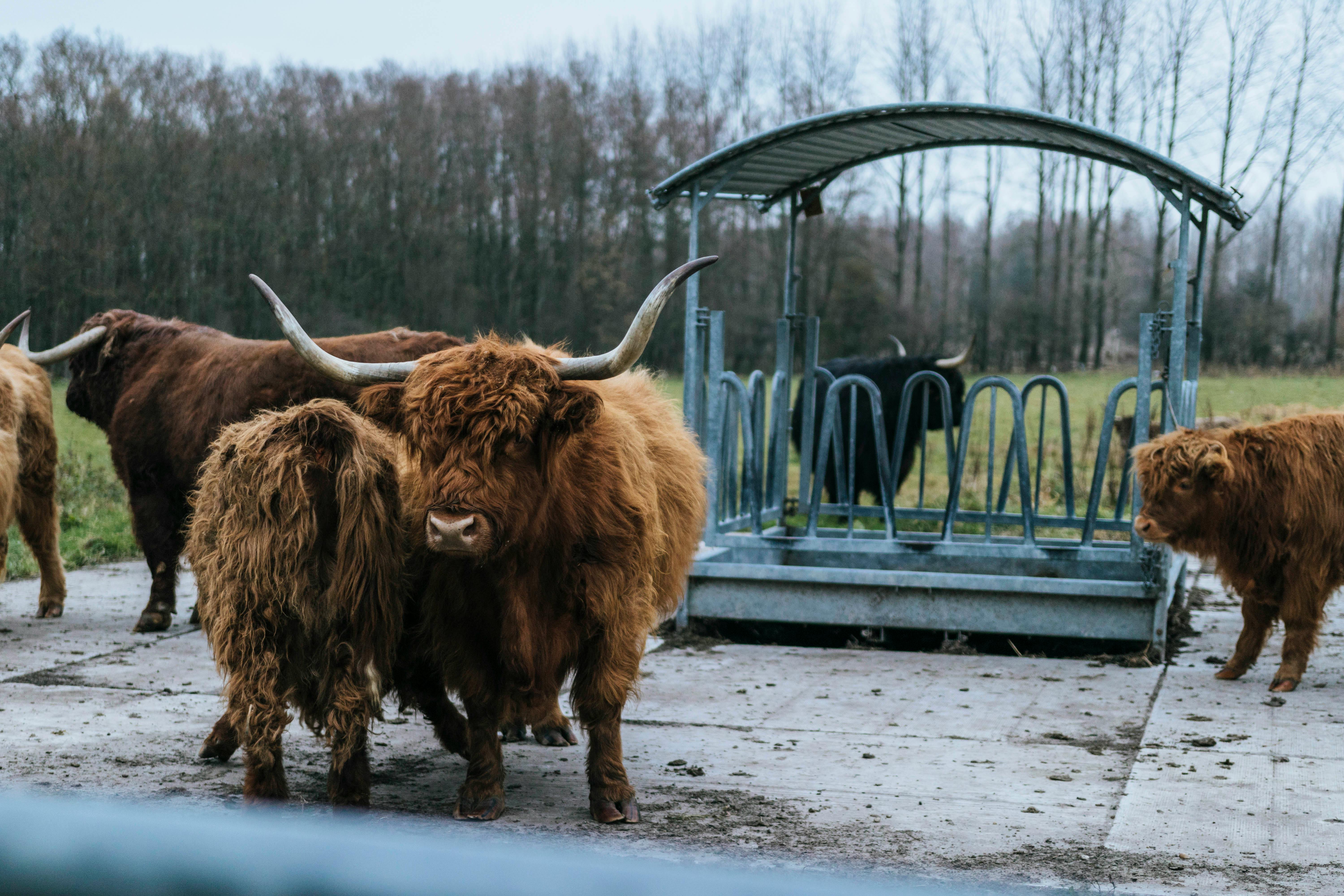
Traditional and native breeds are often more interesting to guests and better suited to lower-intensity systems, though they grow more slowly than commercial genetics.
Direct sale of meat and dairy at retail value can make that slower growth economic, where a commodity price could not.
Animals in view of guests also need to be handled and housed in ways that bear observation, which raises the standard applied to routine husbandry.
The risk is drifting away from farming
Where guest income exceeds agricultural income substantially, the land can become a setting rather than a productive enterprise.
Farms in that position sometimes keep animals and crops for appearance while the real business is accommodation, which is a legitimate choice but a different one.
The stays that hold their character maintain agriculture as the primary activity and treat guests as a complementary income, which is also what visitors are generally looking for.