
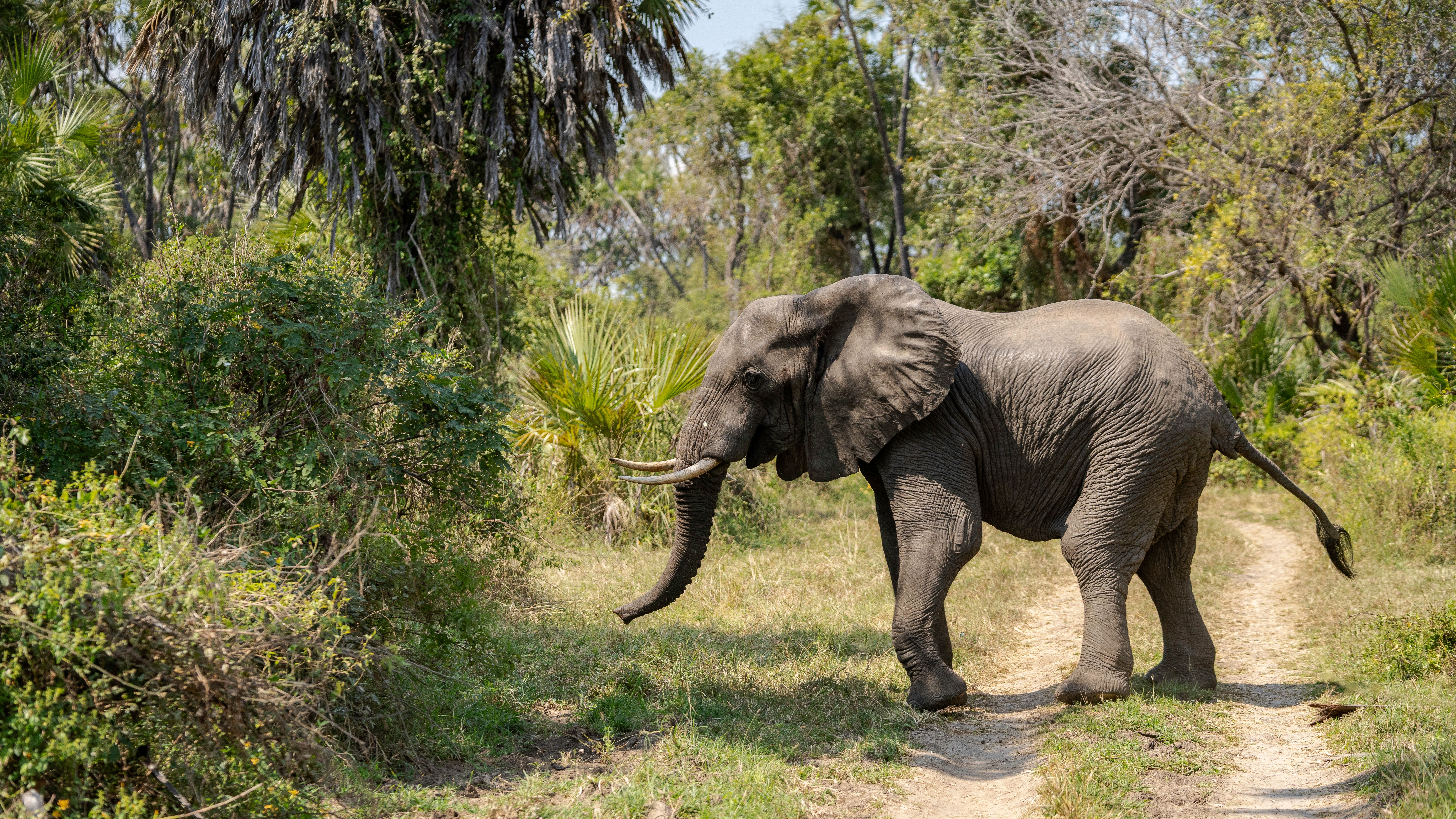
Discover the next evolution in ethical wildlife tourism: regenerative travel. This comprehensive guide for 2026 explores how sustainable safaris and conservation travel actively restore ecosystems, empower local communities, and offer deeply impactful wildlife encounters. Learn how to book transformative experiences that go beyond 'leave no trace' to truly heal our planet, comparing the best eco-lodges, responsible tour operators, and biodiversity protection initiatives.
Introduction to the Topic
Welcome to 2026, where the world of travel has undergone a profound transformation. For years, the mantra of responsible tourism was to 'leave no trace.' While well-intentioned, this passive approach is no longer enough to combat the accelerating crises of climate change, habitat loss, and biodiversity collapse. Today, a powerful new movement is redefining ethical wildlife tourism: Regenerative Travel. This isn't just about minimizing your footprint; it's about actively contributing to the restoration and flourishing of the ecosystems and communities you visit. It's about leaving a place better than you found it.
For the conscious traveler seeking more than just a fleeting glimpse of the wild, regenerative wildlife safaris offer an unparalleled opportunity. Imagine a journey where your presence directly funds anti-poaching efforts, supports local schools, reforests critical habitats, or helps reintroduce endangered species. This guide from ecofriendlytravelguides.com will unpack what regenerative wildlife tourism truly means, why it's the most impactful way to experience nature, and crucially, how you can book your own transformative adventure that genuinely heals our planet.
Backgrounds & Facts
The urgency for regenerative approaches stems from undeniable facts. According to the UN Environment Programme, global biodiversity continues to decline at an alarming rate, with a million species facing extinction. Climate change exacerbates these issues, threatening delicate ecosystems from coral reefs to ancient forests. Traditional mass tourism, even 'eco-friendly' versions, often struggles with scalability, sometimes inadvertently contributing to resource strain or cultural erosion.
Regenerative tourism emerged from the understanding that human activity must shift from extractive to restorative. It's a holistic philosophy that integrates environmental, social, and economic sustainability with a proactive agenda for positive impact. In the context of wildlife tourism, this translates into:
- Direct Conservation Investment: A significant portion of your tour cost goes directly to funding on-the-ground conservation projects, such as habitat restoration, wildlife monitoring, and anti-poaching initiatives.
- Community Empowerment: Regenerative tours prioritize local employment, support indigenous businesses, and ensure that economic benefits flow directly to the communities living alongside wildlife, fostering a shared stake in conservation.
- Rewilding & Habitat Restoration: Many experiences involve participation or direct funding for projects that reintroduce native species, restore degraded lands, or expand wildlife corridors.
- Scientific Integration: Travelers often become citizen scientists, contributing to data collection, or visit research stations, gaining a deeper understanding of conservation challenges and solutions.
- Ethical Animal Encounters: A strict adherence to animal welfare, ensuring encounters are respectful, non-invasive, and prioritize the well-being of the wildlife. This often means observing from a distance or participating in research-focused interactions rather than direct handling.
The rise of the conscious consumer, particularly post-pandemic, has fueled demand for these impactful experiences. Travelers are increasingly willing to pay a premium for transparency, authenticity, and the assurance that their travel dollars are making a tangible difference. This shift is not just a trend; it's becoming the standard for truly responsible and meaningful wildlife encounters.
Expert Opinion / Analysis
Dr. Anya Sharma, a leading conservation biologist and advocate for sustainable travel, states, "Regenerative tourism represents the evolutionary leap we desperately needed. 'Doing no harm' is a baseline; 'doing good' is the imperative. We're seeing a powerful synergy where traveler desire for meaningful connection aligns perfectly with the planet's need for healing." She emphasizes that genuine regenerative practices are distinguishable from mere 'greenwashing' by several key indicators:
- Measurable Impact: "Look for operators who can quantify their contributions," advises Dr. Sharma. "Are they transparent about how funds are allocated? Can they show an increase in local biodiversity, improved community livelihoods, or hectares of restored habitat?"
- Local Leadership: True regeneration empowers local and indigenous communities. "If a project isn't led by or deeply integrated with local stakeholders, it's missing a core regenerative principle," she notes. "Their traditional ecological knowledge is invaluable."
- Long-Term Commitment: Regenerative projects are not short-term fixes but long-term investments. Operators should demonstrate ongoing relationships with conservation partners and communities.
- Education and Engagement: Beyond observation, regenerative tours actively educate and engage travelers, fostering a deeper understanding of ecological principles and the critical role humans play in conservation.
The challenges, Dr. Sharma admits, include ensuring scalability without diluting impact and combating the inevitable rise of 'regenerative washing.' "Certification bodies are evolving rapidly in 2026, integrating AI-powered impact tracking and blockchain for financial transparency, which helps consumers verify claims. Technologies like real-time wildlife monitoring and virtual reality pre-trip briefings also enhance the experience and educational value, making travelers more informed partners in conservation." The psychological impact on travelers is profound; many report a deep sense of purpose and connection, transforming their view of travel from leisure to active stewardship.
💰 Best Options in Comparison (VERY IMPORTANT)
Ready to turn your passion for wildlife into a force for good? In 2026, several pioneering operators and destinations are leading the charge in regenerative wildlife tourism. Here are some of the best options for booking your next transformative adventure, catering to different interests, budgets, and desired levels of engagement. These aren't just trips; they're investments in the future of our planet.
-
1. The "Serengeti Reborn" Luxury Conservation Safari (Tanzania)
Operator: Wilderness Guardians Expeditions (Hypothetical)
Focus: Iconic African Big Five, Great Migration, anti-poaching, community development, reforestation.
Impact: A significant portion of your premium tour cost directly funds anti-poaching units, provides sustainable livelihoods for Maasai communities through cultural exchanges and craft markets, and supports large-scale reforestation efforts in critical wildlife corridors. Guests participate in wildlife tracking with rangers and visit community-led conservation projects.
Experience: Stay in ultra-luxury eco-lodges powered by renewable energy, enjoy expert-guided game drives, and partake in exclusive behind-the-scenes conservation activities. Ideal for travelers seeking high-comfort with profound impact. -
2. Amazonian Biodiversity & Indigenous Rights Journey (Ecuador/Peru)
Operator: Rainforest Roots Adventures (Hypothetical)
Focus: Unparalleled Amazonian biodiversity (river dolphins, macaws, monkeys), indigenous culture, sustainable agroforestry, scientific research.
Impact: Supports indigenous communities in protecting their ancestral lands from illegal logging and mining, funds scientific research into rainforest biodiversity, and promotes sustainable agroforestry practices. Travelers live in community-run eco-lodges, learn traditional survival skills, and assist local researchers with data collection.
Experience: Immersive, authentic, and hands-on. Perfect for adventurers eager to connect deeply with indigenous cultures and contribute directly to rainforest preservation. -
3. Coastal Rewilding & Marine Life Expedition (Galapagos/Australia's Great Barrier Reef)
Operator: Oceanic Revival Tours (Hypothetical)
Focus: Marine ecosystems, sea turtles, coral reefs, endemic island species, coastal birdlife.
Impact: Directly funds coral reef restoration projects, marine debris cleanup initiatives, and research into marine plastic pollution. In the Galapagos, contributions support efforts to remove invasive species and protect endemic wildlife. Travelers participate in citizen science dives, beach cleanups, and educational workshops.
Experience: A blend of spectacular marine encounters (snorkeling, diving) with tangible conservation work. Ideal for ocean lovers and those passionate about marine ecological restoration. -
4. European Bison & Forest Restoration Trek (Poland/Romania)
Operator: European WildWays (Hypothetical)
Focus: Rewilding Europe initiatives, European bison reintroduction, ancient forest ecosystems, predator monitoring.
Impact: Supports reintroduction programs for iconic European species like the bison and lynx, funds forest restoration projects, and aids in establishing wildlife corridors across fragmented landscapes. Guests track wildlife with local experts, assist in habitat management, and learn about the challenges of rewilding in densely populated areas.
Experience: A unique opportunity to witness large mammal rewilding up close in Europe's last ancient forests. Great for nature photographers, hikers, and those interested in temperate forest ecology.
To help you choose the ideal regenerative wildlife safari, here’s a comparison table:
| Option | Destination/Focus | Key Regenerative Impact | Price Range | Typical Activities | Target Traveler | Booking Link |
|---|---|---|---|---|---|---|
| Serengeti Reborn Safari | Tanzania (Big Five, Migration) | Anti-poaching, community support, reforestation | $$ (Luxury) | Game drives, ranger patrols, community visits | Comfort-seeker, high-impact donor | Book Now |
| Amazonian Journey | Ecuador/Peru (Rainforest, Indigenous) | Indigenous land rights, sustainable agroforestry, research | $$ (Mid-High) | Jungle treks, community living, citizen science | Adventurer, cultural enthusiast, researcher | Book Now |
| Coastal Rewilding Expedition | Galapagos/Australia (Marine Life, Reefs) | Coral restoration, marine debris cleanup, species protection | $$ (Mid-High) | Snorkeling/diving, beach cleanups, educational workshops | Ocean lover, conservation diver | Book Now |
| European Bison Trek | Poland/Romania (Bison, Forests) | Bison reintroduction, forest restoration, habitat connectivity | $ (Mid-Range) | Wildlife tracking, hiking, habitat management | Hiker, rewilding enthusiast, nature photographer | Book Now |
Outlook & Trends
The future of wildlife tourism in 2026 and beyond is undeniably regenerative. We anticipate several key trends accelerating this movement:
- Advanced Certification & Transparency: Expect more robust, globally recognized certification bodies for regenerative tourism, leveraging blockchain technology to track financial contributions and impact metrics, ensuring authenticity and combating greenwashing.
- Hyper-Personalized Impact Reports: Travelers will receive detailed, personalized reports showcasing the direct impact of their trip, from the number of trees planted to the specific anti-poaching patrol hours funded.
- Integrated Wellness & Mindfulness: Regenerative experiences will increasingly incorporate elements of wellness, such as nature therapy, forest bathing, and mindfulness practices, deepening the connection between personal well-being and planetary health.
- Virtual Reality & AI Enhanced Pre-Trip Education: Before even arriving, travelers will be able to experience virtual tours of their destination, learn about local conservation challenges through AI-driven educational modules, and even 'meet' the wildlife they'll be helping.
- Investment & Philanthropy Tourism: A growing trend where high-net-worth individuals combine their regenerative travels with direct impact investments in conservation startups or long-term ecological projects.
- Government & Policy Support: More governments will recognize the economic and ecological benefits of regenerative tourism, offering incentives and creating policy frameworks to support its growth and ensure its integrity.
The industry is moving towards a model where every journey is an opportunity for positive change, turning tourists into active participants in global ecological recovery.
Conclusion
In 2026, the choice for the discerning traveler is clear: to merely observe, or to actively regenerate. Regenerative wildlife tourism offers not just a vacation, but a profound commitment to the planet's future. It's an opportunity to witness breathtaking wildlife, immerse yourself in diverse cultures, and return home knowing your adventure has left a lasting, positive impact. By choosing a regenerative safari, you're not just booking a trip; you're investing in biodiversity, empowering communities, and actively participating in the healing of our natural world.
Your next wildlife encounter can be more than just a memory; it can be a legacy. Explore the options, ask the right questions, and embark on a journey that truly transforms – for you, for the wildlife, and for the planet. The future of travel is regenerative, and it's waiting for you.