
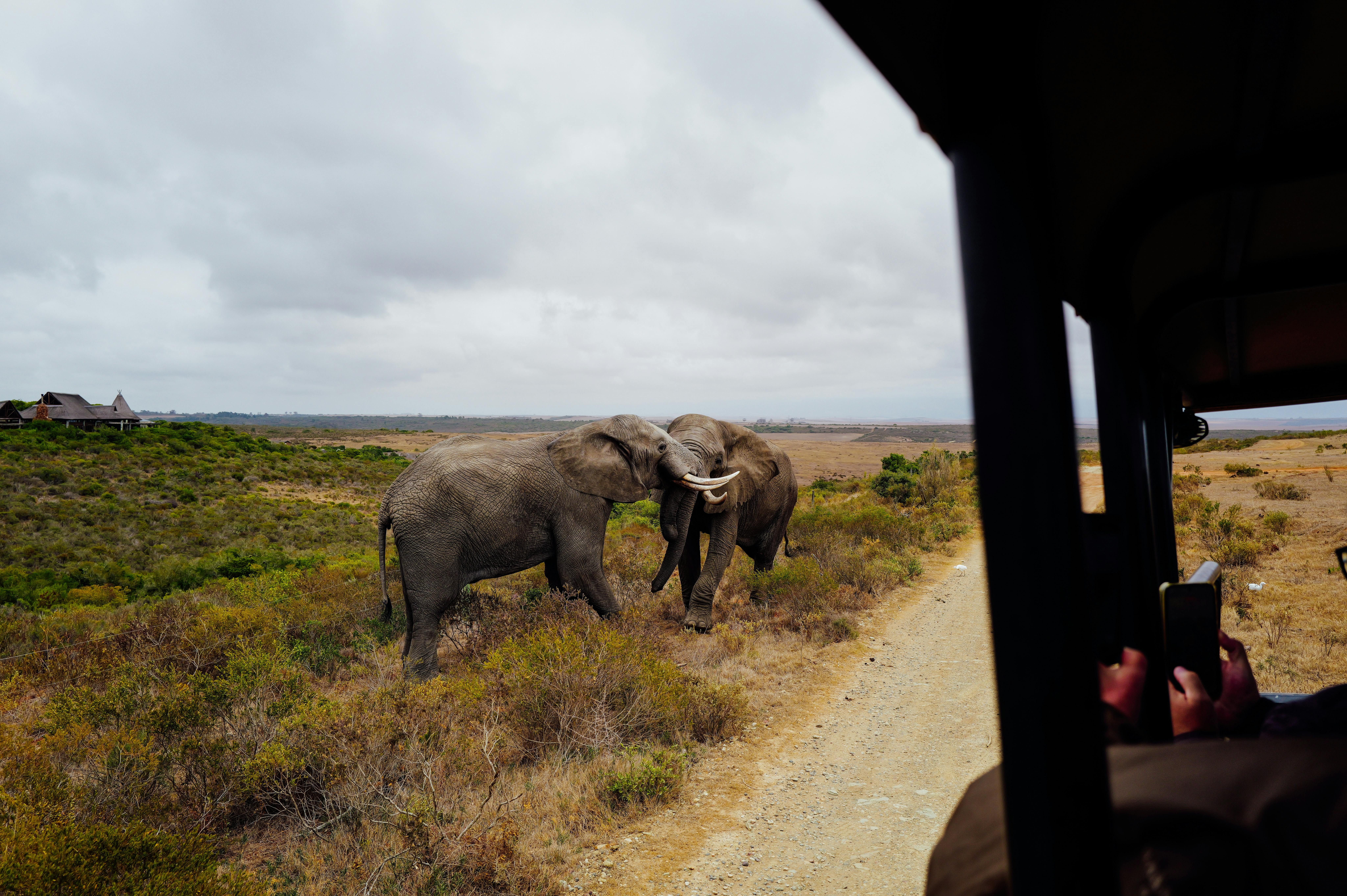
Navigating the complex world of wildlife tourism in 2026 requires more than just a passport; it demands a conscience. Discover how to book truly ethical, sustainable, and impactful animal encounters that protect endangered species, empower local communities, and deliver unforgettable experiences. We reveal the best options, compare top eco-operators, and expose the greenwashing pitfalls, ensuring your travel dollars contribute to conservation, not exploitation. Get ready to plan your next responsible wildlife adventure with confidence!
Introduction to the Topic
Welcome to 2026, where the call of the wild is louder than ever, and so is the demand for responsible travel. The romance of encountering majestic creatures in their natural habitats remains a powerful draw, but the discerning traveler knows that not all wildlife tourism is created equal. In an era of heightened environmental awareness and a critical focus on animal welfare, the spotlight has firmly shifted to ethical wildlife tourism. Gone are the days when riding elephants or petting lion cubs was seen as an innocent adventure; today, such practices are widely condemned. Instead, a new generation of travelers seeks authentic, impactful experiences that contribute positively to conservation and local livelihoods.
This article, brought to you by ecofriendlytravelguides.com, is your essential 2026 handbook to navigating this evolving landscape. We'll cut through the marketing noise, equip you with the knowledge to identify genuinely sustainable operators, and compare the best options for immersive, ethical wildlife encounters that leave a legacy of good, not regret. Prepare to transform your travel dreams into a force for positive change, all while securing an incredible adventure!
Backgrounds & Facts
The global wildlife tourism market is projected to reach unprecedented valuations by the mid-2020s, a testament to humanity's enduring fascination with the natural world. However, this growth has come at a cost. Decades of unregulated and exploitative practices have led to habitat destruction, animal cruelty, and the disruption of delicate ecosystems. From overcrowded marine parks to exploitative animal 'sanctuaries' that are little more than glorified zoos, the negative impacts are well-documented.
Fortunately, consumer awareness has surged. A 2025 survey by the Global Ecotourism Council revealed that over 70% of travelers actively seek out ethical and sustainable options, and 60% are willing to pay a premium for certified responsible experiences. This shift has given rise to a new standard in wildlife tourism, driven by organizations like the World Animal Protection, The International Ecotourism Society (TIES), and various national park systems that enforce strict guidelines for animal welfare and environmental impact. Key certifications such as 'Wildlife Safe Seal,' 'Global Green Travel,' and 'Fair Trade Tourism' are becoming non-negotiable benchmarks for discerning travelers.
Ethical wildlife tourism, at its core, prioritizes the well-being of animals, the preservation of their habitats, and the empowerment of local communities. It champions practices like respectful observation from a safe distance, supporting legitimate rescue and rehabilitation centers, and investing directly in conservation projects. It's about ensuring that your presence enhances, rather than detracts from, the wild world you've come to admire.
Expert Opinion / Analysis
“The future of wildlife tourism isn't just about seeing; it's about safeguarding,” states Dr. Anya Sharma, a renowned conservation biologist and founder of WildlifeForward, in an exclusive interview with ecofriendlytravelguides.com. “In 2026, technology plays an increasingly vital role. AI-powered monitoring systems track animal behavior and tourist impact in real-time, allowing operators to adjust routes and visitor numbers to minimize disturbance. Virtual Reality (VR) and Augmented Reality (AR) are also transforming pre-trip education, offering immersive insights into species and ecosystems, which fosters a deeper respect before travelers even set foot on site.”
Dr. Sharma emphasizes the critical need for transparency. “Greenwashing remains a significant challenge. Many operators claim to be 'eco-friendly' without genuine commitment. Travelers must look beyond pretty brochures. Demand to see independent audits, understand where your money goes – is it funding anti-poaching units, habitat restoration, or community schools? Ask about staff training in animal welfare and local employment rates. A truly ethical operator will be proud to share this information.”
She also highlights the burgeoning trend of 'citizen science' tourism. “This isn't just about observing; it's about contributing. Imagine spending your vacation helping researchers track migratory bird patterns, identify new plant species, or monitor marine life. These experiences offer unparalleled immersion and direct impact, turning every traveler into a temporary conservationist. It's a powerful evolution that benefits both the planet and the human spirit.”
💰 Best Options in Comparison (VERY IMPORTANT)
Choosing the right ethical wildlife experience can be overwhelming with so many options available in 2026. To help you make an informed decision, we've identified three leading categories of ethical wildlife tourism, each offering unique benefits and levels of engagement. These options are designed for conscious travelers ready to book their next adventure with purpose.
-
High-Tech Immersive Safaris & Observational Tours
These experiences leverage cutting-edge technology to enhance learning and minimize disturbance. Operators utilize silent electric vehicles, drones for non-invasive tracking (for research, not surveillance of tourists), and advanced optics for unparalleled viewing. Pre-trip VR experiences might even allow you to 'meet' the animals virtually before your journey, deepening your connection. Focus is on respectful observation and supporting conservation through park fees and operator contributions. Ideal for families and those seeking comfort without compromising ethics.
-
Citizen Science & Conservation Expeditions
For the traveler who wants to get their hands dirty and actively contribute. These programs often involve working alongside scientists and local communities on real conservation projects. Activities can range from wildlife monitoring, data collection, habitat restoration, to anti-poaching support. Expect more rustic accommodations and a higher degree of physical engagement. Perfect for adventurous individuals or groups passionate about direct impact.
-
Community-Based Eco-Lodges & Sanctuaries
These options focus on direct support for local communities and legitimate animal rescue/rehabilitation centers. Stays at these lodges or sanctuaries ensure that your tourism dollars directly benefit indigenous populations and provide a safe haven for rescued animals (who are not exploited for tourist interaction). Experiences often include cultural immersion, guided nature walks, and opportunities to learn about local conservation efforts. Best for travelers seeking authentic cultural exchange and direct support for animal welfare.
To help you compare and book your ideal ethical wildlife tour, here's a detailed breakdown:
| Feature | High-Tech Immersive Safari | Citizen Science Expedition | Community-Based Eco-Lodge |
|---|---|---|---|
| Engagement Level | Moderate (Respectful Viewing & Learning) | High (Active Participation & Research) | Moderate (Observation, Cultural & Direct Support) |
| Conservation Impact | Direct via operator funding, park fees, education | Direct via volunteer work, data collection, fees | Direct via local employment, ethical animal care, fees |
| Ethical Certifications to Look For | Wildlife Safe Seal, Global Green Travel, Green Key | Earthwatch, TIES Verified, WWOOF (for farm-based) | Fair Trade Tourism, Biosphere Responsible Tourism |
| Typical Price Range (USD/person/week) | $$ (Premium: $3,000 - $10,000+) | $$ (Mid-High: $1,500 - $4,000) | $ (Mid-Range: $800 - $2,500) |
| Best For | Tech-savvy travelers, families, luxury eco-adventurers | Hands-on enthusiasts, aspiring researchers, impact-driven individuals | Authentic cultural immersion, direct animal welfare supporters, budget-conscious eco-travelers |
| Ready to Book? | Explore Premier Safaris | Join Conservation Expeditions | Find Ethical Eco-Lodges |
Outlook & Trends
Looking ahead, ethical wildlife tourism in 2026 and beyond is poised for even greater innovation and integration. We anticipate a continued surge in demand for 'regenerative tourism,' where travelers don't just minimize impact but actively contribute to restoring ecosystems. Blockchain technology is emerging as a powerful tool for transparent funding, allowing travelers to trace exactly how their money supports specific conservation projects, building trust and accountability.
Personalized travel planning will be revolutionized by AI, offering tailored recommendations for ethical tours based on individual preferences, budget, and desired impact. Furthermore, carbon-neutral travel options will become standard, with more operators investing in verified carbon offsetting programs and embracing electric fleets. Expect a greater emphasis on local storytelling and indigenous knowledge, recognizing the invaluable role of traditional custodians in conservation. The future promises a deeper, more meaningful connection between traveler, wildlife, and planet.
Conclusion
The power to protect our planet's incredible wildlife lies in our choices as travelers. By opting for ethical wildlife tourism in 2026, you're not just booking a vacation; you're investing in a future where animals thrive, communities prosper, and natural habitats are preserved for generations to come. Use the insights and comparisons provided here to make smart, informed decisions that align with your values. Your next adventure can be a profound force for good. Start planning your truly ethical wildlife journey today and become part of the solution!