
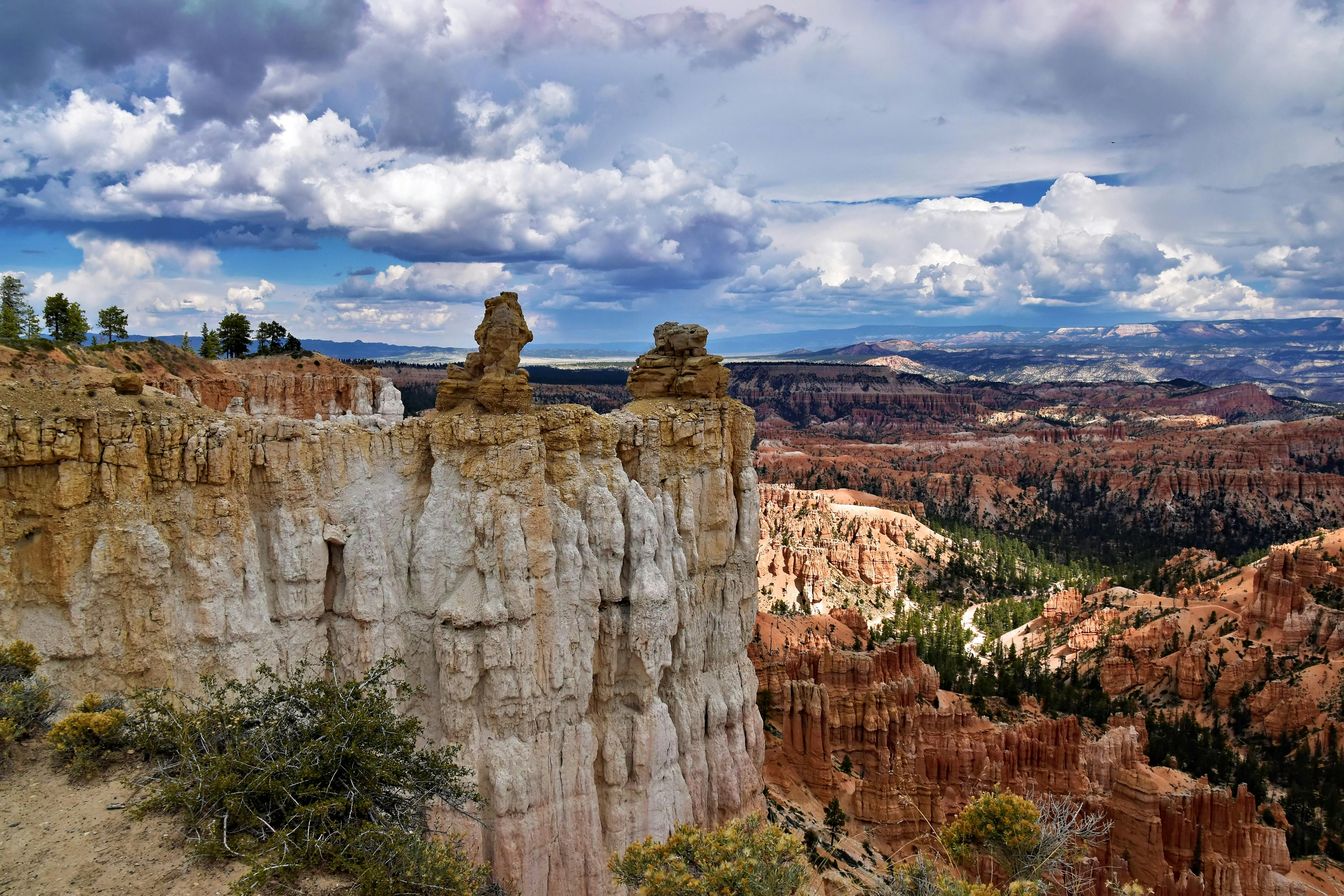
In 2026, navigating America's beloved National Parks requires smart planning. Discover how advanced reservation systems, timed entry permits, and sustainable travel choices are reshaping your wilderness adventure. Learn to secure your spot, compare eco-friendly tours, and find the best gear for an unforgettable, low-impact journey.
Introduction to the Topic
America's National Parks – iconic landscapes, pristine wilderness, and havens for wildlife – continue to capture the hearts of millions. Yet, the sheer volume of visitors has presented an unprecedented challenge to their preservation and the quality of the visitor experience. As we look to 2026, the era of spontaneous park visits is largely a relic of the past for many popular destinations. Advanced reservation systems, timed entry permits, and even lottery-based access are now standard procedures, designed to protect fragile ecosystems, manage crowds, and ensure a more enjoyable, less impactful visit for everyone. This shift isn't just about control; it's a vital step towards sustainable tourism and responsible stewardship.
This article is your essential guide to understanding and thriving within this new paradigm. We'll delve into the 'why' behind these changes, equip you with the knowledge to navigate complex booking platforms, and highlight the best eco-friendly options to ensure your 2026 National Park adventure is not only seamless but also contributes positively to the planet. Get ready to unlock the secrets of America's wild treasures, responsibly and effectively.
Backgrounds & Facts
The evolution of National Park access didn't happen overnight. For decades, parks like Zion, Yosemite, Glacier, and Arches have grappled with overtourism, particularly during peak seasons. Escalating visitor numbers – reaching over 325 million visits across the National Park System in recent years – have led to significant environmental degradation, traffic congestion, strained infrastructure, and diminished visitor experiences. Trails have widened, parking lots overflowed, and sensitive habitats have been impacted by human presence.
In response, the National Park Service (NPS) began piloting and implementing various crowd management strategies. Initial attempts included shuttle systems (e.g., Zion Canyon), but these proved insufficient. By 2020, the first widespread timed entry systems emerged, notably at Rocky Mountain National Park. Fast forward to 2026, and these systems are more sophisticated and prevalent than ever. Parks like Yosemite (for specific areas like Half Dome permits), Glacier (Going-to-the-Sun Road), Arches (entire park entry), and Acadia (Cadillac Summit Road) all utilize some form of advance reservation or lottery system for access during peak periods. Even iconic multi-day backpacking routes often require highly competitive permits booked months in advance via platforms like Recreation.gov.
These systems are critical conservation tools. They distribute visitor impact more evenly, reduce congestion, and allow park staff to better maintain facilities and protect resources. While initially met with some resistance, most visitors now recognize their necessity. The goal is to balance access with preservation, ensuring these natural wonders remain vibrant for generations to come. Understanding the specific requirements for each park you plan to visit is paramount, as rules and booking windows can vary significantly. The 'America the Beautiful' Annual Pass remains your entry ticket, but it rarely bypasses the need for a separate timed entry or activity reservation.
Expert Opinion / Analysis
“The shift to managed access is not merely a logistical headache; it’s a profound recalibration of our relationship with wilderness,” explains Dr. Evelyn Reed, a leading ecotourism consultant and former NPS strategist. “For years, we operated under an ‘open access’ philosophy, which, while democratic in spirit, proved unsustainable for our most cherished and fragile landscapes. 2026 marks a mature phase of these systems, where data analytics and predictive modeling are increasingly used to optimize visitor flow, ensuring ecological integrity without completely sacrificing spontaneity for the savvy traveler.”
Dr. Reed emphasizes that the benefits extend beyond conservation. “Visitors who navigate these systems often report a more fulfilling experience. Less crowding means better wildlife viewing opportunities, clearer trails, and a deeper sense of immersion in nature. It encourages planning, which inherently leads to more informed and responsible tourism.” She also highlights the role of technology. “While platforms like Recreation.gov are central, we’re seeing a rise in third-party alert services and even AI-powered travel planners that can help secure coveted slots. This democratizes access in a new way, allowing those who are diligent to secure their adventures.”
However, Dr. Reed cautions against complacency. “The systems are always evolving. Park managers are constantly refining them based on visitor feedback and ecological data. Travelers must remain adaptable and proactive. The future will likely see even more granular control, perhaps dynamic pricing for permits, and certainly an increased emphasis on public transportation and alternative access methods to further reduce carbon footprints within park boundaries.” Her advice for 2026? “Start planning earlier than you think, leverage all available resources, and embrace the opportunity to be a more conscious and appreciative steward of these incredible places.”
💰 Best Options in Comparison (VERY IMPORTANT)
Navigating 2026's National Park access can seem daunting, but with the right strategy, you can secure your dream adventure. Here are your best options, designed to cater to different travel styles and maximize your investment in an unforgettable, sustainable journey.
Option 1: Master Independent Planning & Direct Booking
For the budget-conscious and those who love the thrill of DIY travel, independent planning is key. This involves directly utilizing official park resources and booking platforms:
- Recreation.gov: Your primary portal for campground reservations, wilderness permits (e.g., John Muir Trail), and many timed entry permits for popular parks like Arches, Rocky Mountain, and Glacier. Set up an account well in advance, understand booking windows (often 3-6 months out, or even daily lotteries for last-minute slots), and be ready to book precisely when slots open.
- Park-Specific Websites: Always check the official NPS website for the park you intend to visit. They provide the most up-to-date information on entry requirements, operating hours, and specific permit details not found elsewhere (e.g., Zion's Angels Landing lottery, Yosemite's Half Dome permits).
- Third-Party Alert Services: Services like Campnab or ArriveOutdoors can notify you of last-minute cancellations for campgrounds or permits, significantly increasing your chances of snagging a coveted spot. These often come with a small subscription fee but can be invaluable.
- America the Beautiful Pass: Purchase this annual interagency pass for $80 (or discounted for seniors/military) to cover entrance fees at all national parks and federal recreation sites. Remember, it covers entry, but not necessarily timed entry reservations or specific activity permits.
- Eco-Friendly Gear: Invest in durable, lightweight, and sustainably produced gear. Brands offering recycled materials, ethical manufacturing, and repair programs (e.g., Patagonia, Osprey, Hydro Flask) are excellent choices. Consider solar chargers for devices and reusable water filtration systems to minimize waste.
Option 2: Book Eco-Friendly Guided Tours & All-Inclusive Packages
If you prefer convenience, expert guidance, and guaranteed access, a guided tour or package can be a superior choice. Many reputable operators have pre-secured permits and offer low-impact itineraries:
- Guaranteed Access: Many tour operators purchase permits and timed entry slots in bulk, meaning your spot is often secured without the stress of navigating complex booking systems yourself.
- Expert Local Guides: Benefit from in-depth knowledge of geology, flora, fauna, and park history. Guides often lead you to hidden gems and provide insights you'd miss independently.
- Sustainable Itineraries: Reputable eco-tour companies prioritize Leave No Trace principles, utilize low-emission transport (e.g., electric shuttle buses), and partner with eco-certified accommodations. Look for operators certified by organizations like the Global Sustainable Tourism Council.
- All-Inclusive Convenience: Packages often include transport, accommodations (eco-lodges or glamping), meals, and all necessary permits, simplifying your planning process. This can be particularly beneficial for multi-park trips.
- Small Group Experiences: Many eco-tours focus on small group sizes, ensuring a personalized experience and minimizing environmental impact.
Comparison: Independent Planning vs. Guided Eco-Tours
To help you decide, here's a quick comparison of key aspects:
| Feature | Independent Planning | Guided Eco-Tour |
|---|---|---|
| Cost | Generally lower upfront, but requires time investment | Higher upfront, but often includes more services |
| Access & Permits | Requires diligence, booking far in advance, potential stress | Often guaranteed; permits handled by operator |
| Flexibility | Maximum flexibility for itinerary changes | Structured itinerary, less spontaneous |
| Expertise | Requires personal research | Provided by knowledgeable guides |
| Environmental Impact | Depends on individual choices (gear, transport) | Often optimized for low impact (eco-lodges, group transport) |
| Convenience | High effort in planning and logistics | Low effort; all details typically handled |
| Ideal For | Experienced travelers, budget-conscious, highly flexible individuals | First-time visitors, those seeking stress-free travel, learning experiences |
Outlook & Trends
Looking ahead to the late 2020s and beyond, National Park access will continue its evolution. We anticipate a greater integration of technology, with AI-driven systems potentially optimizing visitor distribution in real-time based on weather, trail conditions, and wildlife movements. Dynamic pricing for permits, similar to airline tickets, might emerge for peak demand periods, further incentivizing off-peak travel and providing additional revenue for park maintenance.
The emphasis on sustainable transportation will also intensify. Expect more robust electric vehicle (EV) charging infrastructure within and around park gateways, alongside expanded shuttle services and even autonomous vehicle options for internal park transport. Parks like Yellowstone and Grand Teton are already exploring these solutions. The push for 'leave no trace' will expand to 'leave a positive trace,' encouraging visitors to participate in citizen science projects or contribute to conservation efforts directly through their visit. The future of National Park travel is not about restricting access, but about refining it to ensure these irreplaceable natural treasures remain vibrant, accessible, and awe-inspiring for generations to come, while fostering a deeper connection between visitor and wilderness.
Conclusion
The era of planning your National Park adventure has truly arrived. In 2026, embracing the new reservation systems and prioritizing sustainable travel isn't just a suggestion – it's the key to unlocking the most rewarding and responsible experiences in America's most cherished wild spaces. Whether you choose the meticulous path of independent booking or the seamless journey of an eco-friendly guided tour, your commitment to thoughtful preparation directly contributes to the preservation of these magnificent landscapes. So, gear up, plan smart, and prepare to forge unforgettable memories while safeguarding the future of our National Parks.