
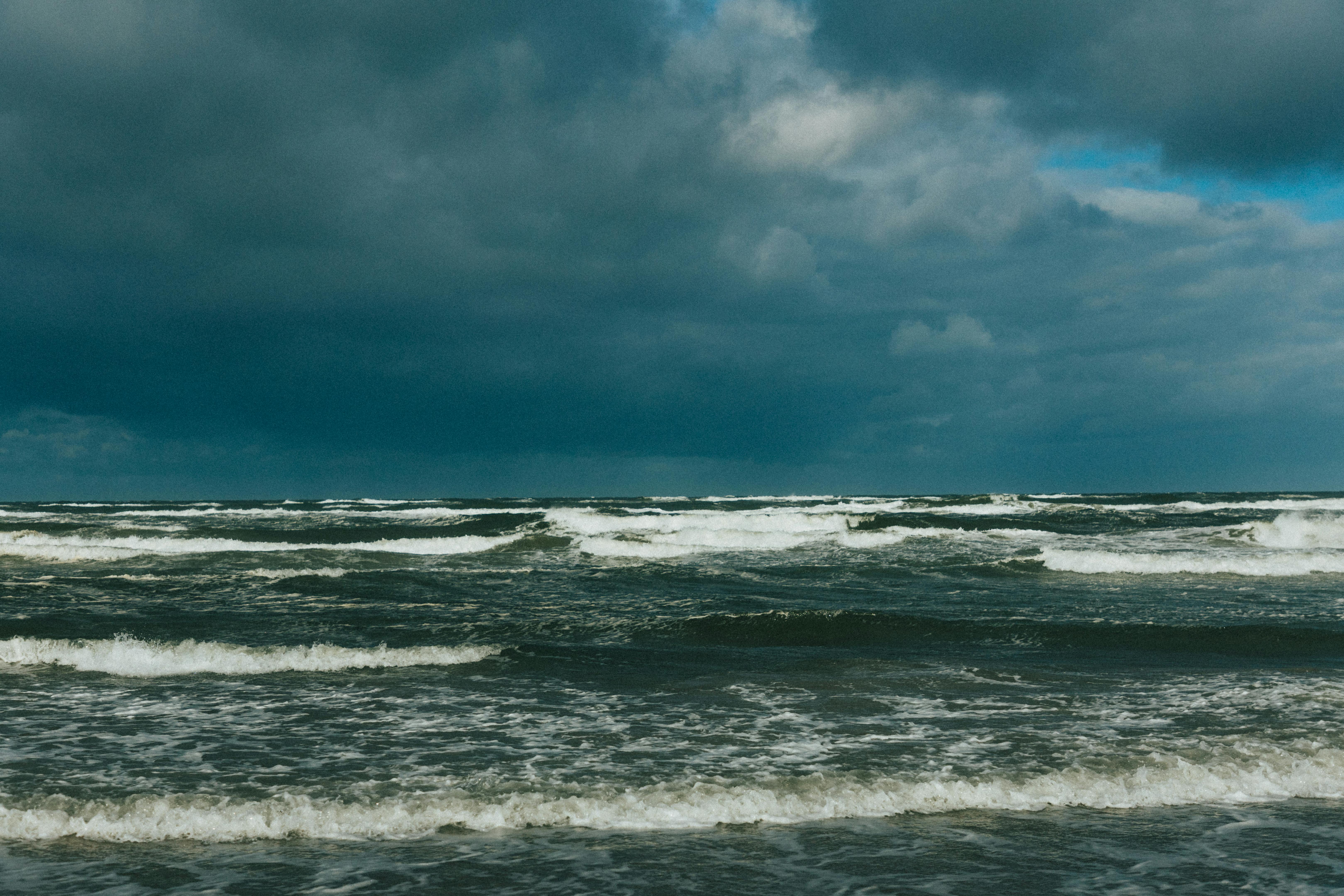
It’s a terrifying truth, whispered by scientists and now shouted by the data: the vast, life-giving ocean is not just dying, it’s actively depositing its demise into your very cells. Imagine the pristine blue, now a swirling soup of microscopic plastic fragments, chemicals, and pollutants. Now, imagine those invaders aren't just in the water, or in the fish you eat, but coursing through your bloodstream, nestled in your organs, even crossing the placental barrier into unborn babies. This isn't a distant future; it's happening right now, inside you. The ocean’s sickness has become humanity’s sickness, and understanding its reach is the first step towards reclaiming our health and our planet's future.
🔥 What's Happening Right Now
The statistics are staggering, but the reality is far more insidious. Every year, an estimated 8 million tons of plastic waste enter our oceans, the equivalent of one garbage truck full of plastic being dumped into the sea every minute. This isn't just large debris; it's a relentless, silent invasion of microplastics – tiny fragments less than 5 millimeters long – and even smaller nanoplastics, invisible to the naked eye. These particles originate from larger plastic items breaking down, synthetic clothing fibers shed during washing, and even micro-beads from personal care products that flush directly into our waterways.
The ocean, once a powerful cleanser, is now a global conveyor belt, distributing these pollutants far and wide. Marine life, from the smallest plankton to the largest whales, is ingesting these plastics. Fish, shellfish, and sea salt, staples in diets across the globe, have all been found to contain microplastics. This means that the very food we rely on for sustenance is becoming a vector for environmental contamination directly into our bodies. A recent study found that the average person consumes a credit card's worth of plastic every week, much of it originating from marine sources.
But the problem doesn't stop at ingestion. Groundbreaking research has confirmed that microplastics are not just passing through us; they are integrating into our biological systems. Studies have detected microplastic particles in human blood, lungs, and even the deepest tissues of major organs like the liver and kidneys. Perhaps most alarming, microplastics have been found in human placentas, raising serious questions about potential developmental impacts on unborn children. While the long-term health effects are still being actively researched, preliminary concerns include inflammation, oxidative stress, disruption of the endocrine system, and potential impacts on gut microbiome health. These plastics also act as sponges, attracting and concentrating other toxic chemicals already present in the ocean, such as PCBs and heavy metals, effectively delivering a cocktail of harmful substances directly into our cells.
Beyond plastics, the ocean is battling a multi-front war. Climate change, driven by human activity, is causing ocean temperatures to rise, leading to devastating coral bleaching events that destroy vital ecosystems and marine nurseries. Ocean acidification, a direct consequence of increased CO2 absorption, threatens the very foundation of the marine food web by making it harder for shell-forming organisms to survive. Dead zones, areas with insufficient oxygen to support marine life, are expanding globally, suffocating vast stretches of the ocean. These interconnected crises aren't just abstract environmental issues; they represent a direct assault on the planet's largest carbon sink, its most vital food source, and ultimately, on our own health and survival. The urgency to act has never been greater, for the ocean's fate is inextricably linked to our own.
💡 Financial Impact
The dying ocean isn't just an ecological tragedy; it's an unfolding economic catastrophe with profound financial implications for individuals, businesses, and governments worldwide, particularly in the US. The healthcare sector stands to face an unprecedented burden. As research increasingly links microplastic exposure to various health issues, including chronic inflammation, reproductive problems, and potentially even increased cancer risks, the costs associated with diagnosis, treatment, and long-term care for these conditions could skyrocket. This translates to higher insurance premiums, increased public health spending, and a less productive workforce, collectively impacting national GDP.
Industries directly reliant on healthy oceans are already feeling the pinch. The commercial fishing industry, a multi-billion-dollar sector in the US alone, faces collapsing fish stocks due to overfishing, habitat destruction, and plastic contamination. Contaminated seafood leads to recalls, loss of consumer trust, and reduced demand, directly hitting fishermen's livelihoods and the entire supply chain from processing plants to restaurants. Similarly, the tourism industry, especially coastal and marine tourism, is under severe threat. Beautiful beaches marred by plastic debris, dead coral reefs, and polluted waters deter tourists, leading to lost revenue for hotels, tour operators, and local businesses. Coastal communities, many of which depend heavily on these industries, face economic decline, job losses, and a diminished quality of life.
The disruption extends to global supply chains. Seafood contamination impacts food security and international trade agreements. The costs of cleaning up plastic pollution are astronomical, with municipalities and coastal states spending millions annually on beach cleanups and waste management, diverting funds from other essential services. However, amidst this crisis, there are significant investment opportunities. The demand for sustainable alternatives and solutions is creating a burgeoning "blue economy."
- Sustainable Technologies: Companies innovating in plastic alternatives (biodegradable materials, plant-based packaging), advanced recycling technologies, and ocean clean-up solutions (e.g., drone-based monitoring, waste collection systems) are poised for substantial growth. Investing in these pioneering firms offers both financial returns and a positive environmental impact.
- Eco-Tourism & Responsible Travel: As awareness grows, consumers are actively seeking genuinely sustainable travel experiences. Businesses offering eco-certified resorts, responsible wildlife tours, and voluntourism opportunities are seeing increased demand. This niche within the travel industry, championed by platforms like ecofriendlytravelguides.com, presents a robust growth area for investors and entrepreneurs.
- ESG (Environmental, Social, Governance) Funds: Investing in companies with strong environmental practices is no longer just ethical; it's financially savvy. Companies with robust ESG frameworks often demonstrate greater resilience and long-term value, attracting a growing pool of conscious investors.
- Green Products Market: The market for sustainable consumer goods – from reusable water bottles and plastic-free toiletries to home water filtration systems and plant-based foods – is exploding. Investing in companies producing these products, or even starting a venture in this space, aligns with consumer demand for healthier, eco-conscious living.
Conversely, companies failing to adapt to environmental pressures face significant risks. Brand reputation can be severely damaged by association with pollution or unsustainable practices, leading to consumer boycotts and diminished market share. Regulatory bodies are also implementing stricter environmental standards, which can result in hefty fines and operational restrictions for non-compliant businesses. The financial imperative to protect our oceans is clear: it’s not just about saving the planet, but about safeguarding our economic future and creating new avenues for prosperity.
💰 Best Options in Comparison
Addressing the ocean crisis and its impact on human health requires a multi-faceted approach, combining personal lifestyle changes with strategic investments. Here, we compare several key options, highlighting their immediate impact, long-term benefits, associated costs, and commercial value or opportunities.
| Option Category | Specific Action/Investment | Immediate Impact | Long-Term Benefit | Cost (Initial/Ongoing) | Commercial Value/Opportunity |
|---|---|---|---|---|---|
| Personal Lifestyle Choices | Reducing Single-Use Plastics & Microplastics at Home (e.g., reusable bottles, plastic-free toiletries, clothes filters) | Directly reduces personal plastic footprint and exposure. | Improved personal health, reduced household waste, setting an example for others. | Low-Moderate (Initial purchase of reusables, filters; saving on bottled water). | High demand for eco-friendly products, sustainable brands (affiliate potential for ecofriendlytravelguides.com). |
| Personal Lifestyle Choices | Adopting a Sustainable Diet (e.g., certified sustainable seafood, plant-based alternatives, home water filtration) | Reduces intake of contaminated seafood, supports healthy fisheries. | Better personal health, lower risk of microplastic/toxin ingestion, reduced pressure on marine ecosystems. | Moderate-High (Higher cost for certified products, water filter maintenance; potential savings on meat). | Booming market for organic, sustainable, and plant-based foods; water filtration systems. |
| Sustainable Travel & Experiences | Choosing Eco-Certified Travel & Voluntourism (e.g., booking via ecofriendlytravelguides.com recommended partners) | Supports responsible tourism, minimizes environmental impact of travel. | Preserves natural destinations, funds conservation efforts, creates authentic experiences. | Moderate-High (May be slightly more expensive than conventional travel). | Growing market for ethical travel; opportunity for ecofriendlytravelguides.com to showcase curated experiences. |
| Financial & Advocacy Investment | Investing in Green Technologies & ESG Funds (e.g., plastic recycling, ocean cleanup, renewable energy companies) | Directly funds innovative solutions to environmental problems. | Potential for significant financial returns, drives systemic change, accelerates innovation. | Moderate-High (Investment capital required; varies by fund/stock). | Rapidly expanding sector with high growth potential, attracting conscious investors. |
| Financial & Advocacy Investment | Supporting Ocean Conservation NGOs & Policy Advocacy (e.g., donations, volunteering, political engagement) | Contributes to direct conservation efforts, influences policy. | Protects marine ecosystems, strengthens environmental regulations, raises public awareness. | Low-Moderate (Donations, time commitment). | No direct commercial value, but crucial for creating a healthy environment where sustainable businesses can thrive. |
Each of these options, whether a personal choice or a financial investment, plays a vital role. While personal actions like reducing single-use plastics have an immediate, tangible impact on your own body and local environment, systemic change requires broader financial investment in green technologies and support for robust policy advocacy. The commercial value often lies in the increasing consumer demand for products and services that align with a healthy planet and a healthy body. For our readers at ecofriendlytravelguides.com, this table underscores that every decision, from what you buy to where you travel, holds economic power and environmental consequence.
Conclusion
The grim reality that the ocean is dying, and its plastic legacy is already circulating within our bodies, is a wake-up call of unprecedented urgency. This isn't just an environmental crisis; it's a personal health emergency, an economic threat, and a profound challenge to our collective future. From the devastating impact on marine ecosystems to the potential long-term health complications for humans, the interconnectedness of our planet's health and our own has never been clearer. The financial implications are staggering, threatening industries from fishing to tourism, while simultaneously opening doors for innovation and investment in sustainable solutions.
Yet, amidst this stark truth, there is immense power in action. Every choice we make, from the products we buy to the way we travel, contributes to the larger narrative. By consciously reducing our reliance on single-use plastics, supporting sustainable businesses, investing in green technologies, and advocating for stronger environmental policies, we can collectively steer the ship away from disaster. The options laid out, from personal lifestyle shifts to strategic financial investments, are not just about protecting the ocean; they are about safeguarding our health, securing our economic stability, and preserving the beauty and vitality of our planet for generations to come.
The journey to heal our oceans and ourselves begins with awareness, but it thrives on action. Let this knowledge be not a source of despair, but a catalyst for change. Explore the wealth of resources on ecofriendlytravelguides.com to discover how your next adventure can be a step towards a healthier planet, or how your everyday choices can contribute to a plastic-free future. The ocean's fight is our fight, and the time to act is now, before the silent invaders become an irreversible part of our legacy.