
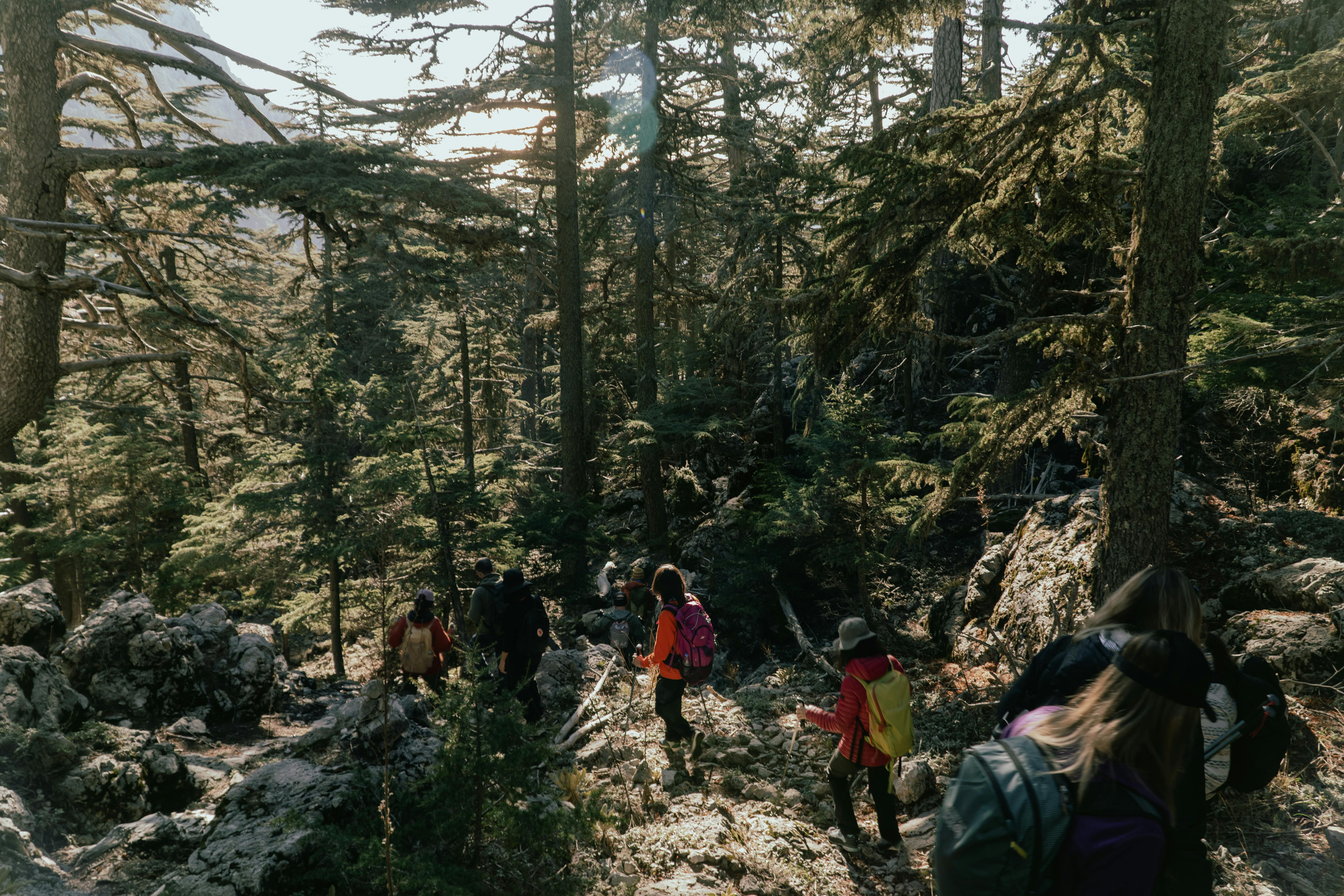
Discover how sustainable ultralight backpacking is redefining adventure in 2026. Learn about eco-friendly gear, minimalist trekking techniques, and the best options for lightweight, durable, and environmentally conscious outdoor equipment to maximize your trail experience while minimizing your footprint.
Introduction to the Topic
The wilderness calls louder than ever in 2026, beckoning adventurers to shed the weight of the modern world – and their heavy packs. As our collective consciousness shifts towards greater environmental responsibility, a powerful new trend has emerged at the intersection of efficiency and ethics: sustainable ultralight backpacking. This isn't just about shaving ounces; it's a holistic philosophy that transforms your outdoor experience, allowing you to move faster, trek further, and connect more deeply with nature, all while leaving an imperceptible trace.
For too long, the pursuit of ultralight gear often overlooked its environmental footprint. But in 2026, innovation has caught up with intention. Manufacturers are now designing gear that is not only featherlight and incredibly durable but also crafted with recycled materials, sustainable manufacturing processes, and an emphasis on longevity. This guide from ecofriendlytravelguides.com will navigate you through the exciting world of sustainable ultralight backpacking, offering insights into why this approach is the future of eco-conscious trekking, what to look for in cutting-edge gear, and how to make choices that benefit both your journey and our planet. Get ready to revolutionize your ramble and embark on adventures that are as responsible as they are exhilarating.
Backgrounds & Facts
Ultralight backpacking, traditionally defined by a base weight (the weight of your pack without consumables like food and water) under 10-12 pounds, has evolved significantly since its niche origins. Early adopters were often focused purely on performance – covering more miles with less strain. However, the environmental movement of the 2020s has infused this pursuit with a critical new dimension: sustainability. The facts are compelling: outdoor recreation is booming, and with it, the potential for increased environmental impact. According to recent studies, global outdoor participation grew by an average of 4% annually between 2020 and 2025, placing unprecedented pressure on natural landscapes.
The core tenets of ultralight backpacking – efficiency, minimalism, and intentionality – align perfectly with sustainable principles. Less gear means fewer resources consumed in manufacturing and transportation. Lighter packs reduce the physical strain on hikers, enabling them to enjoy the trail more and potentially explore less-trafficked areas with greater ease. Crucially, the 'Leave No Trace' principles, which advocate for planning ahead, disposing of waste properly, and minimizing impact, become inherently easier to uphold when carrying less. Modern advancements in material science have been pivotal. We're seeing widespread adoption of recycled polyester and nylon, solution-dyed fabrics that drastically reduce water and energy use, and even bio-based polymers entering the market. Furthermore, brands are increasingly transparent about their supply chains and committing to ethical labor practices and repair programs. This convergence of ultralight performance and eco-conscious design is not just a trend; it's a necessary evolution for responsible outdoor enthusiasts in 2026.
Expert Opinion / Analysis
“The shift towards sustainable ultralight backpacking isn't merely a technological advancement; it's a profound ethical realignment for the outdoor community,” states Dr. Elena Petrova, a leading environmental ethicist and seasoned thru-hiker with over 15,000 miles under her belt. “For years, the industry grappled with the trade-off between performance and planetary impact. Now, we're seeing these two pillars merge into a singular, powerful philosophy.”
Dr. Petrova emphasizes that true sustainability in ultralight gear extends beyond just recycled materials. “It’s about the entire lifecycle of a product. Are materials sourced responsibly? Is the manufacturing process low-impact? How durable is the item, and can it be repaired or recycled at the end of its life? The ‘buy once, buy well’ mantra has never been more relevant,” she explains. “An ultralight backpack made from Dyneema, while initially expensive, offers unparalleled durability and longevity, meaning fewer replacements over time. This reduces overall consumption and waste, which is a key component of sustainable living.”
Her analysis also highlights the psychological benefits. “Carrying less weight fosters a deeper connection with the environment. You’re not fighting your pack; you’re flowing with the trail. This mental clarity often leads to a greater appreciation for nature and, consequently, a stronger desire to protect it,” Dr. Petrova notes. She advises consumers to look beyond flashy marketing and scrutinize brands’ commitments to circular economy principles, fair labor, and transparent reporting. “The outdoor industry is maturing, and conscious consumers are driving this change. Your purchasing power is your most potent tool for advocating for a healthier planet and more ethical production.”
💰 Best Options in Comparison (VERY IMPORTANT)
Navigating the burgeoning market of sustainable ultralight gear can be daunting, but in 2026, several brands are leading the charge, offering innovative solutions that balance weight, durability, and environmental responsibility. Choosing the right gear is paramount not only for your comfort and safety but also for ensuring your adventure leaves the lightest possible footprint. Here, we compare some of the top contenders across key ultralight categories, focusing on their performance, sustainability features, and overall value for the eco-conscious trekker.
- Ultralight Backpacks: The Foundation of Your Loadout
- Shelter Systems: Your Lightweight Home Away From Home
- Sleeping Systems: Warmth Without the Weight
- Cooking Systems: Efficient and Eco-Friendly Meals
Your pack is the core of your ultralight system. Look for innovative materials and ergonomic designs that distribute weight efficiently. The Hyperlite Mountain Gear Southwest 2400 continues to be a benchmark. Crafted from Dyneema Composite Fabric (DCF), it's incredibly light, waterproof, and durable. While DCF isn't recycled, its extreme longevity means fewer packs purchased over a lifetime. For those prioritizing recycled content and a slightly softer feel, the ULA Equipment Ohm 2.0, often made with Robic nylon (with increasing recycled content in newer models), offers superb comfort and customization. Another strong contender is the Gossamer Gear Mariposa 60, known for its generous external pockets and thoughtful organization, utilizing custom Robic fabrics with a focus on durability and repairability.
Sleeping under the stars is idyllic, but a reliable, lightweight shelter is crucial. The Zpacks Duplex (or Triplex for more space) remains the gold standard for ultralight tents, weighing just over a pound for a two-person shelter. Made from DCF, it offers unparalleled weight savings and weather protection. For those seeking a freestanding option with a strong sustainability story, the Big Agnes Fly Creek HV UL2 Solution Dye is a standout. Its solution-dyed fabric significantly reduces water and energy consumption during manufacturing, and it incorporates recycled materials, offering excellent performance with a lighter environmental impact. The Tarptent Double Rainbow Li, another DCF option, provides a unique semi-freestanding design that balances weight and interior space.
A good night's sleep is non-negotiable. For sleeping pads, the Therm-a-Rest NeoAir XLite NXT is a perennial favorite, offering an industry-leading warmth-to-weight ratio. Its materials are increasingly Bluesign® approved, ensuring responsible production. For sleeping bags, consider down options with ethically sourced (Responsible Down Standard certified) hydrophobic down, like the Katabatic Gear Palisade 30°F Quilt. Quilts are inherently lighter and more versatile than traditional sleeping bags. Synthetic options like the Enlightened Equipment Revelation APEX utilize recycled synthetic insulation, offering excellent performance in damp conditions with a lower environmental footprint.
Minimalist cooking means maximizing efficiency. The SOTO Windmaster stove, paired with a lightweight titanium pot like the Toaks 750ml Titanium Pot, is a highly efficient system that reduces fuel consumption and waste. For those embracing cold soaking or minimalist cooking, a simple recycled plastic container (like a repurposed peanut butter jar) and a long-handled titanium spoon can suffice, eliminating the need for fuel entirely. The trend is moving towards fewer components and greater efficiency.
Here's a comparison table of leading sustainable ultralight options:
| Gear Category | Product/Model | Weight (Approx.) | Sustainability Features | Price Range | Key Benefit |
|---|---|---|---|---|---|
| Backpack | Hyperlite Mountain Gear Southwest 2400 | ~2 lbs | Dyneema Composite Fabric (extreme durability = longevity), minimalist design. | $$ | Unparalleled durability, weather resistance, and low weight. |
| Backpack | ULA Equipment Ohm 2.0 | ~2.2 lbs | Robic Nylon (increasing recycled content), USA made, highly repairable. | $$ | Excellent comfort for lighter loads, customizable fit, strong community. |
| Tent (2-person) | Zpacks Duplex | ~1.2 lbs | Dyneema Composite Fabric (ultralight, long lifespan), compact footprint. | $$$ | Unbeatable weight-to-space ratio, stormproof, easy pitch. |
| Tent (2-person) | Big Agnes Fly Creek HV UL2 Solution Dye | ~2.2 lbs | Solution-dyed fabric (reduces water/energy), recycled materials in some components. | $$ | Freestanding design, excellent ventilation, eco-conscious dyeing. |
| Sleeping Pad | Therm-a-Rest NeoAir XLite NXT | ~13 oz | Bluesign® approved materials, high R-value for weight, long-lasting. | $$ | Industry-leading warmth-to-weight, comfortable, compact. |
| Sleeping Quilt | Katabatic Gear Palisade 30°F | ~19 oz | Responsible Down Standard (RDS) certified, USA made, long lifespan. | $$ | Exceptional warmth-to-weight, versatile, superior craftsmanship. |
| Cook System | SOTO Windmaster w/ Toaks 750ml Pot | ~6.5 oz (stove+pot) | Efficient fuel use (less waste), durable titanium pot (recyclable). | $ | Exceptional wind performance, rapid boil times, durable. |
Price Range Key: $: Under $100, $: $100-$250, $$: $250-$400, $$: $400-$600, $$$: $600+
Outlook & Trends
The trajectory for sustainable ultralight backpacking in 2026 and beyond is one of relentless innovation and growing community engagement. We anticipate even more sophisticated bio-based materials and fully recyclable fabrics to become mainstream, further reducing reliance on petroleum-based products. Imagine sleeping bags filled with plant-based insulation that rivals down, or backpacks made from mushroom-derived mycelium that can be composted at the end of their life.
Furthermore, artificial intelligence (AI) is set to play a significant role in optimizing gear choices and trip planning. AI algorithms will soon be able to analyze your body type, hiking style, specific trail conditions, and even local weather patterns to recommend the absolute lightest and most sustainable gear configuration for your unique adventure. This hyper-personalization will not only enhance performance but also prevent over-purchasing and encourage more mindful consumption.
The rise of the circular economy will also see a boom in rental services for high-end ultralight gear, making expensive items more accessible and reducing the need for individual ownership. Community-driven repair hubs and upcycling initiatives will become more prevalent, extending the lifespan of gear and fostering a culture of stewardship. Finally, the focus will broaden beyond just gear to holistic, local ultralight adventures, encouraging more people to explore nearby natural spaces responsibly, reducing travel emissions, and fostering a deeper connection with their immediate environment. The future of trekking is light, smart, and profoundly green.
Conclusion
Sustainable ultralight backpacking is more than just a passing trend; it's a paradigm shift in how we experience and interact with the natural world. In 2026, it represents the pinnacle of responsible adventure, blending peak performance with an unwavering commitment to environmental stewardship. By embracing minimalist principles and investing in eco-conscious gear, you're not only enhancing your own trekking experience – making it faster, lighter, and more enjoyable – but you're also actively contributing to the preservation of the wild places we cherish.
The choices you make, from the fabric of your tent to the efficiency of your stove, resonate far beyond the trail. As you plan your next great adventure, remember that every ounce shed and every sustainable choice made is a step towards a healthier planet and a more fulfilling journey. So, gear up with intention, tread lightly with purpose, and let the sustainable ultralight path lead you to unforgettable vistas and a deeper connection with the Earth. The wilderness awaits your responsible exploration.