
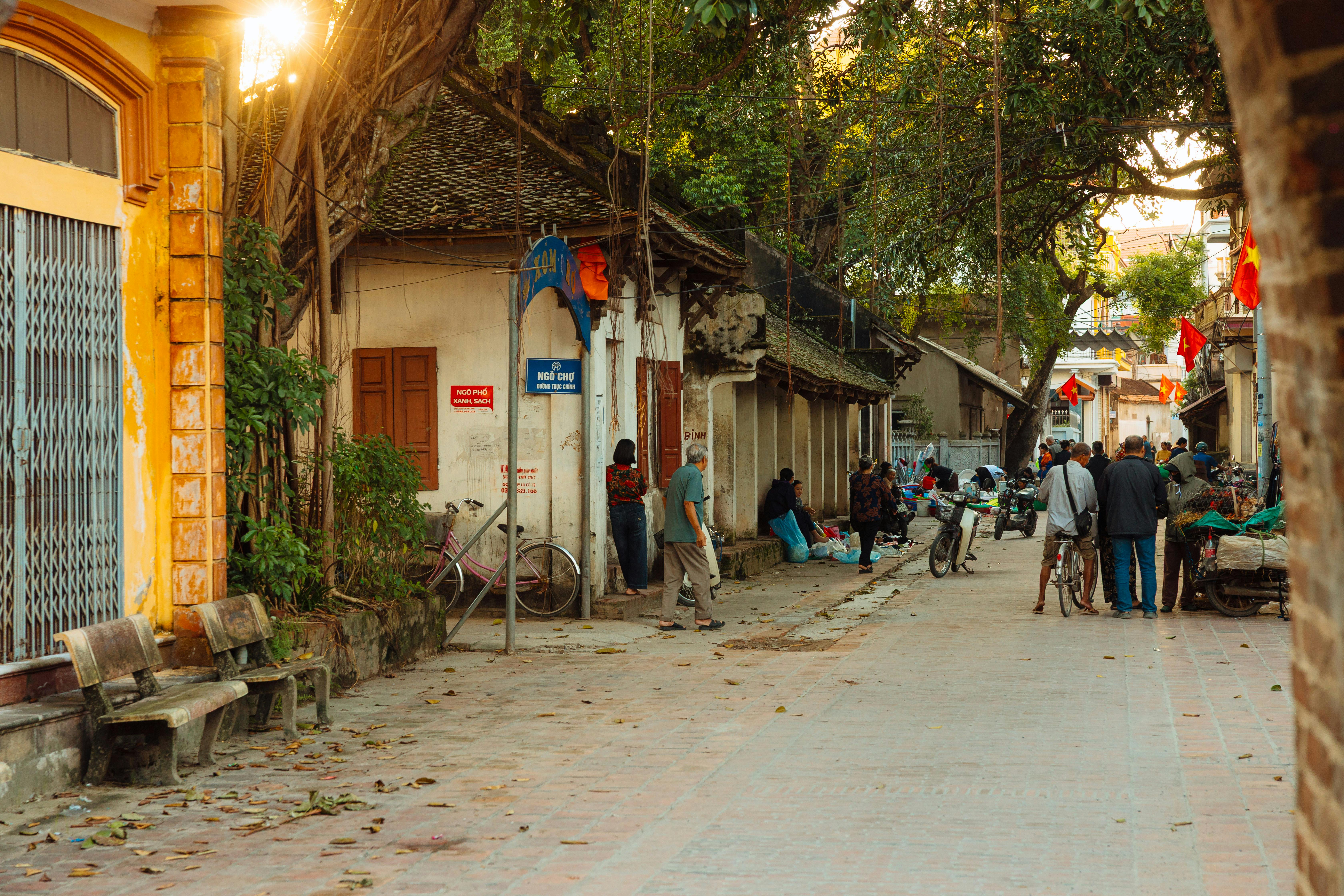
Discover the booming world of community tourism in 2026! Learn how to book ethical, sustainable, and truly authentic travel experiences that empower local communities. Compare top platforms and find your next life-changing eco-friendly adventure.
Introduction to the Topic
In the vibrant landscape of 2026, travel has evolved beyond mere sightseeing. The discerning traveler now seeks depth, connection, and purpose. This shift has propelled community tourism from a niche concept to a mainstream movement, redefining what it means to explore the world responsibly. At ecofriendlytravelguides.com, we've witnessed firsthand how travelers are increasingly prioritizing experiences that offer genuine cultural exchange while simultaneously fostering economic empowerment and environmental preservation in host communities. This isn't just a trend; it's the future of ethical travel, offering unparalleled authenticity that traditional tourism often misses.
Community tourism places local people at the heart of the travel experience. It's about direct engagement – staying in locally-owned guesthouses, sharing meals prepared by community members, learning traditional crafts, or participating in conservation efforts alongside indigenous groups. The financial benefits flow directly to the community, ensuring that tourism acts as a force for good, rather than a catalyst for exploitation or cultural dilution. As we navigate a world increasingly aware of its interconnectedness, understanding how to identify, book, and participate in these transformative journeys is paramount for any conscious traveler.
Backgrounds & Facts
The roots of community tourism stretch back decades, born from grassroots initiatives where local populations sought to gain more control over tourism development in their regions. Historically, mass tourism often led to a leakage of profits away from local economies, environmental degradation, and the commodification of culture. Community tourism emerged as a powerful counter-narrative, championing principles of local ownership, fair distribution of benefits, cultural preservation, and environmental stewardship.
By 2026, the sector has matured significantly. The post-pandemic travel resurgence further amplified the demand for meaningful and sustainable experiences, with studies showing a substantial increase in travelers willing to pay more for ethical options. Key facts about community tourism today include:
- Direct Economic Impact: Up to 90% of tourism revenue can remain within the local community, compared to as little as 10-20% in conventional tourism models. This directly supports local families, small businesses, and community projects.
- Cultural Preservation: It actively encourages the revitalization and sharing of traditional knowledge, arts, and languages, moving beyond superficial presentations to genuine cultural immersion.
- Environmental Stewardship: Many community tourism projects are intrinsically linked to conservation efforts, as local communities have a direct vested interest in protecting their natural resources. This includes wildlife protection, sustainable agriculture, and waste management initiatives.
- Empowerment: It empowers marginalized groups, including women, youth, and indigenous populations, by creating opportunities for employment, skill development, and leadership within their own communities.
- Growth Trajectory: The global community tourism market is projected to continue its robust growth, with analysts forecasting a compound annual growth rate (CAGR) exceeding 15% through the end of the decade, driven by increasing traveler awareness and digital accessibility.
This model moves beyond passive observation, inviting travelers to become active participants in a shared journey, fostering understanding and respect across cultures.
Expert Opinion / Analysis
“Community tourism isn't just about taking a trip; it's about making a difference, one authentic encounter at a time,” states Dr. Anya Sharma, a leading sustainable travel advocate and author of 'The Regenerative Traveler's Handbook'. “In 2026, the sophistication of these offerings has reached new heights. We're seeing communities leverage smart technology – from localized booking apps to AI-powered cultural translators – to connect directly with global travelers, cutting out exploitative middlemen.”
Dr. Sharma emphasizes the critical role of due diligence for travelers. “While the growth is exciting, greenwashing remains a concern. A true community tourism initiative will demonstrate clear local ownership, transparent financial models showing how profits benefit the community, and a deep respect for local culture and environment. Look for certifications from reputable sustainable tourism bodies, but also engage directly with the community during your trip to understand their perspective.”
The analysis also highlights the evolving role of technology. Blockchain solutions are emerging to offer unprecedented transparency in financial transactions, assuring travelers that their money reaches the intended beneficiaries. Virtual reality (VR) and augmented reality (AR) are also being used in pre-trip planning, offering immersive previews of community life, helping travelers prepare for respectful engagement and manage expectations, thereby enhancing the overall experience.
Furthermore, the expert consensus points to the increasing demand for 'slow travel' within community tourism. Travelers are opting for longer stays, deeper engagement, and a slower pace to truly absorb the local rhythm and build meaningful connections. This shift benefits both the traveler, who gains a richer experience, and the community, which receives more sustained economic support.
💰 Best Options in Comparison (VERY IMPORTANT)
Ready to book your next transformative adventure? Navigating the best ways to engage with community tourism in 2026 requires understanding your options. Here's a breakdown of the leading avenues, designed to help you choose the perfect fit for your travel style and impact goals:
-
1. Dedicated Community Tourism Platforms (Recommended for Direct Impact & Authenticity)
These specialized platforms directly connect travelers with community-owned and operated initiatives. They vet projects for genuine local ownership, ethical practices, and transparent benefit-sharing. Examples include 'Glocal Adventures' and 'Roots & Routes Travel Hub'.
- Pros: Maximum direct impact, highest authenticity, often support smaller, lesser-known projects, transparent financial models.
- Cons: May have fewer 'luxury' amenities, require more independent planning, sometimes limited destinations compared to larger operators.
- Best for: Experienced ethical travelers, those seeking deep immersion, travelers prioritizing direct community empowerment.
-
2. Reputable Eco-Tour Operators with Community Focus (Recommended for Support & Structure)
Larger, established eco-tourism companies increasingly offer dedicated community-based itineraries. They handle logistics, offer expert guides, and ensure a high standard of service while partnering with local communities. Look for operators like 'Conscious Journeys Inc.' or 'Green World Expeditions' that clearly outline their community engagement policies.
- Pros: All-inclusive packages, professional guidance, higher comfort levels, vetted local partnerships, easier booking process.
- Cons: Potentially higher price point, slightly less direct interaction with community decision-making compared to direct platforms.
- Best for: First-time community travelers, those seeking structured itineraries, travelers who appreciate professional support.
-
3. Direct Booking with Local Co-ops & Villages (Recommended for Ultimate Autonomy & Immersion)
For the truly adventurous and informed traveler, directly contacting community cooperatives, village tourism boards, or indigenous organizations is an option. This often requires more research and planning but offers the most authentic and unmediated experience. Websites like 'Global Community Network' can provide directories.
- Pros: Unparalleled authenticity, 100% direct financial benefit, complete control over your itinerary, deeply personal connections.
- Cons: Requires significant self-planning, potential language barriers, fewer established amenities, may require more flexibility.
- Best for: Independent travelers, long-term stays, those with cultural sensitivity and prior research.
-
4. Ethical Volunteer Tourism Platforms (Recommended for Skill-Based Contributions)
While distinct from pure community tourism, ethical volunteer platforms like 'Impact Travel Collective' connect travelers with community projects where specific skills (e.g., teaching, environmental work, construction) are needed. Crucially, these platforms ensure that volunteer fees genuinely support the project and community, rather than being profit-driven.
- Pros: Opportunity to contribute skills, direct engagement with community needs, often includes accommodation and meals.
- Cons: Requires specific skills or a willingness to learn, not purely leisure travel, can involve significant time commitment.
- Best for: Travelers looking to make a tangible skill-based contribution, those seeking a working holiday, long-term engagement.
To help you compare, here's a detailed table:
| Feature | Dedicated Platforms | Eco-Tour Operators | Direct Booking (Co-ops) | Ethical Volunteer Platforms |
|---|---|---|---|---|
| Ease of Booking | Medium to High | High | Low to Medium | Medium |
| Authenticity Level | Very High | High | Extremely High | Very High (activity-based) |
| Direct Local Impact | Very High | High | Maximal | High (project-specific) |
| Support & Guidance | Moderate | Extensive | Minimal | Moderate to Extensive |
| Price Point | Moderate | Moderate to High | Low to Moderate | Moderate (often includes living costs) |
| Ideal Traveler | Conscious, semi-independent | First-timers, comfort-seeking | Independent, adventurous | Purpose-driven, skill-sharing |
Outlook & Trends
The future of community tourism in 2026 and beyond looks incredibly promising. Several key trends are shaping its evolution:
- Hyper-Personalization via AI: AI algorithms are becoming increasingly sophisticated at matching travelers with community experiences that align perfectly with their values, interests, and desired impact, moving beyond generic recommendations to truly bespoke journeys.
- Regenerative Tourism Focus: The concept is shifting from merely 'sustainable' to 'regenerative' – where tourism actively contributes to the restoration and enhancement of natural and cultural environments, leaving places better than they were found. Community tourism is at the forefront of this movement.
- Local & Regional Expansion: While traditional destinations remain popular, there's a growing interest in discovering lesser-known communities within established regions, as well as new countries embracing community-led tourism models, particularly in Southeast Asia, Latin America, and parts of Africa.
- Digital Nomad Integration: Communities are exploring ways to host digital nomads, offering longer stays that blend work with deep cultural immersion, creating sustained economic benefits and fostering deeper connections.
- Blockchain for Transparency: The use of blockchain technology to ensure transparent financial flows from traveler to community is becoming more prevalent, building trust and combating greenwashing.
- Youth Engagement: A new generation of travelers, highly conscious of social and environmental issues, is driving demand for community tourism, seeking experiences that align with their values and offer opportunities for learning and personal growth.
These trends indicate a future where community tourism is not just an alternative but a preferred mode of travel for a significant segment of the global population, driven by a collective desire for authenticity, impact, and shared humanity.
Conclusion
As we stand in 2026, community tourism offers more than just a vacation; it provides a profound opportunity for connection, learning, and positive impact. It's a powerful antidote to homogenized travel, inviting you to step off the well-trodden path and into the heart of local cultures. By choosing community-led experiences, you're not just booking a trip; you're investing in a fairer, more sustainable, and more enriching future for both host communities and yourself.
Whether you opt for a dedicated platform, a reputable eco-operator, or brave the path of direct booking, remember that your travel choices have power. Empower communities, preserve cultures, and protect our planet by choosing authentic, ethical, and sustainable travel. Visit ecofriendlytravelguides.com for more resources and start planning your transformative community tourism journey today. Your next adventure awaits – one that truly makes a difference.